Are you looking to make a big impact in the B2B industry? Do you want to take your business to the next level and stand out from the competition? Well, being a star in your industry is all about choosing the right B2B marketing agency to help you reach your goals. In this article, we will explore the importance of B2B marketing agencies and how they can elevate your brand to new heights.
The Role of B2B Marketing Agencies
B2B marketing agencies play a crucial role in helping businesses connect with other businesses and generate leads. They are experts in crafting tailored marketing strategies that target specific industries and niches. These agencies have a deep understanding of the B2B landscape and can help you navigate the complexities of selling products or services to other businesses.
One of the key benefits of working with a B2B marketing agency is their ability to create targeted campaigns that resonate with your target audience. By focusing on the unique needs and pain points of other businesses, these agencies can help you generate high-quality leads and drive conversions. They can also help you optimize your marketing efforts to ensure that you are getting the best possible return on investment.
How B2B Marketing Agencies Can Make You Shine
When you partner with a B2B marketing agency, you are tapping into a wealth of knowledge and expertise that can help you become a star in your industry. These agencies have a team of experienced professionals who are well-versed in the latest marketing trends and strategies. They can provide valuable insights and recommendations that can help you position your brand as a leader in the market.
Additionally, B2B marketing agencies can help you create compelling content that showcases your expertise and authority in your industry. Whether it’s through blog posts, whitepapers, case studies, or social media content, these agencies can help you establish thought leadership and build trust with your target audience. By consistently delivering high-quality content that adds value to your audience, you can set yourself apart from the competition and become a go-to resource in your industry.
Choosing the Right B2B Marketing Agency
When selecting a B2B marketing agency, it’s important to do your research and choose a partner that aligns with your business goals and values. Look for an agency that has a proven track record of success in the B2B sector and has experience working with businesses similar to yours. Make sure to ask for case studies and references to ensure that the agency can deliver results. Additionally, consider the range of services offered by the agency and whether they align with your marketing needs. From content marketing and SEO to social media and email marketing, make sure that the agency can provide a comprehensive suite of services that will help you achieve your objectives. Communication is also key, so choose an agency that is responsive, transparent, and proactive in their approach.
Conclusion
In conclusion, being a star in your industry is within reach when you partner with the right B2B marketing agency. These agencies can help you create targeted campaigns, establish thought leadership, and build trust with your audience. By choosing a reputable agency that understands the unique challenges of the B2B sector, you can elevate your brand and achieve success in the competitive market. So, why wait? Take your business to the next level with a top-notch B2B marketing agency by your side!
Become a shining star in your industry with the help of a top-tier B2B marketing agency. Elevate your brand and stand out from the competition today!
Customers notice what happens between agents as much as they notice what happens during a conversation. The way a call is transferred can either build momentum or reset the clock on trust, and that difference shows up in satisfaction scores, churn rates, and costs. Companies like Hit Rate Solutions understand that the handoff is a defining moment, not a trivial step. In this article, we unpack the operational and emotional contrasts in Warm Transfer Vs Cold Transfer approaches, and how those choices ripple through your metrics. You’ll learn the mechanics behind both, practical handoff techniques, and the technology and training that make transfers feel effortless to customers.
Defining Warm and Cold Transfers in Contact Center Operations
Warm transfers occur when the first agent remains engaged long enough to explain the situation to the next agent and introduce the customer, ensuring context is carried forward. The customer hears a handoff that feels conversational and coordinated, with the receiving agent already aware of the issue and next steps. Cold transfers, by contrast, pass the call along without introduction or summary, leaving customers to repeat their story and re-establish rapport. While both methods can technically route a customer to the right destination, the difference in continuity is significant. Understanding the operational stakes in Warm Transfer Vs Cold Transfer methods clarifies why some centers consistently outperform others on customer metrics.
What each transfer requires in practice
Warm transfers demand that agents summarize the case succinctly, confirm availability, and set an expectation before connecting the customer, which preserves flow. That quick orientation—who the customer is, what they’ve tried, and what’s needed next—equips the receiving agent to act immediately. Cold transfers often skip this context, pushing the burden back on the customer and increasing handle time later as agents rebuild the narrative. In complex environments with multiple systems, a warm approach reduces toggling and duplication. When teams codify how a handoff should happen, transfers stop being random relays and become predictable, context-rich handoffs that feel seamless.
Customer satisfaction improves when friction is removed, and the first friction to tackle is forcing customers to repeat themselves. A warm handoff keeps momentum intact by preserving context and tone, so the next agent can move to resolution instead of rediscovery. This reduces perceived effort, a core driver of loyalty that shows up in higher CSAT and lower churn. It also lowers the emotional cost of service by validating the customer’s time and attention. When a customer experiences continuity, they instinctively rate the experience higher because it feels designed rather than improvised.
What customers actually feel
From the customer’s perspective, a warm transfer feels like a thoughtful introduction, while a cold pass feels like being put on hold and dropped into a new room. With continuity, empathy built by the first agent doesn’t evaporate, and confidence carries forward. The receiving agent can reference specifics immediately, signaling that the organization is coordinated and attentive. This alignment reduces micro-frustrations that otherwise stack up and skew satisfaction ratings. Over time, repeated experiences of seamless handoffs condition customers to expect competence, which elevates brand trust even in tough moments.
Best Practices for Smooth Information Handoffs Between Agents
A reliable transfer process starts with disciplined note-taking and clear summarization, not just the act of connecting lines. Agents should capture the customer’s goal, the steps attempted, relevant account details, and any promised follow-ups; then they should confirm the receiving team’s availability before bridging the call. During the introduction, the first agent should state the customer’s name, context, and the specific ask for the next agent. This structure respects the customer’s time and reduces duplication, while also setting the second agent up to deliver quickly. When teams normalize this flow, transfers stop being improvisations and become repeatable, quality-controlled steps.
A concise framework for effective handoffs
Teach agents to follow a simple pattern: identify, summarize, request, and confirm. Identification includes verification and preference notes; summarization distills what matters without rehashing every detail. The request clarifies what the receiving agent needs to do, which avoids vague handoffs and prevents ping-pong. Confirmation closes the loop by aligning on next steps and ensuring the customer knows who owns resolution. This pattern can be reinforced with short scripts that still allow personality, producing clear, consistent introductions that protect the customer experience across teams and shifts.
Technology Tools That Simplify Call Routing and Tracking
Modern routing and integration tools make warm handoffs faster and more accurate by aligning the call with the right skills and surfacing context at the moment it’s needed. Automatic Call Distribution with skills-based routing, paired with IVR intent capture, reduces unnecessary transfers and sends customers to prepared agents. CRM and CTI integrations enable screen pops with recent notes, case history, and sentiment cues, shortening the explanation phase and improving first-touch precision. Collaboration features like agent-to-agent chat, consult, and whisper let agents align before bridging the call. Providers and partners—such as Hit Rate Solutions—often package these capabilities with playbooks that operationalize warm handoffs and reduce variability in execution for Warm Transfer Vs Cold Transfer scenarios.
Features that matter for seamless handoffs
Look for consultative transfer options that allow brief pre-connection discussions, so context transfers before the customer is bridged. Ensure your platform supports shared case views and synchronized notes, so multiple agents can update and see the same record in real time. Analytics should track transfer reasons, paths, and outcomes, revealing bottlenecks and high-friction queues. Quality tools that capture interaction snippets around the transfer point help leaders coach on precision and tone. When these features come together, the handoff ceases to be a risk point and becomes an extension of the primary interaction, improving continuity with minimal effort.
How Cold Transfers Affect Retention and First-Call Resolution
Cold transfers often force customers to reconstruct their narratives, increasing average handle time and eroding trust. Each retell raises the likelihood of errors, missed details, and frustration that can spill into post-call surveys and social feedback. This pattern also undermines first-call resolution because the receiving agent starts from zero and may repeat previously attempted steps. As FCR drops, repeat contacts rise, inflating costs and elongating time to resolution. Over time, frequent cold passes signal organizational disarray, pushing high-value customers to explore alternatives where service feels simpler.
Quantifying the risk in poor handoffs
Consider a center where 25% of calls involve a transfer and half of those are cold, with an average of 90 extra seconds per cold pass. Across thousands of interactions, that becomes significant labor cost and longer queues, which further harm satisfaction by increasing wait times. Lower FCR also magnifies downstream effort: more callbacks, more escalations, and higher refund or concession rates tied to negative experiences. Attrition creeps up as dissatisfied customers leave, and acquisition costs to replace them dwarf the marginal effort of performing warm handoffs correctly. When leaders quantify these compounding effects, the case for investing in transfer quality becomes unambiguous.
Training Staff to Handle Transfers Professionally and Efficiently
Great transfers are taught, practiced, and reinforced, not left to individual style. Training should combine the mechanics of summarization with tone, pace, and expectation setting, so the customer feels guided rather than shuffled. Role-plays that simulate complex scenarios—multiple systems, emotional customers, and time pressure—build agent confidence and muscle memory. Emphasize the value of brief consults, clear introductions, and accountability statements that confirm ownership. Framing the difference between Warm Transfer Vs Cold Transfer through recorded examples helps agents hear the contrast and internalize what “good” sounds like, and organizations like Hit Rate Solutions can provide playbooks to accelerate adoption.
Coaching rhythms that sustain high standards
Sustain gains with microlearning refreshers and targeted side-by-sides that focus on the 30 seconds around the handoff. Supervisors should calibrate on what constitutes a complete summary, a respectful introduction, and a firm ownership statement, using a shared rubric. QA forms must score transfer behaviors explicitly, not just outcomes, because process clarity predicts consistent performance. Celebrate excellent handoffs in team huddles, and share anonymized transcripts to show how small phrases can anchor customer confidence. Over time, this discipline lowers variability, lifts CSAT, and turns transfer moments into brand-defining experiences—an approach that partners like Hit Rate Solutions help operationalize at scale.
Glass jars continue to anchor modern pharmaceutical packaging because they preserve formulations without adding variables. Manufacturers prioritize them when purity, stability, and tight controls are non-negotiable, particularly for sensitive biologics, solutions, and semi-solids. In this article, we will look closely at how glass inhibits chemical leaching, the sterilization methods that keep containers sterile and pyrogen-free, and how specialized tints protect light-sensitive drugs. You’ll also see why precision manufacturing supports accurate dosing and how regulations define what “pharma grade” really means. Throughout, we’ll reference practical considerations from sourcing partners like Ashland Container and the larger ecosystem that supports the needs of the Pharmaceutical Packaging Industries.
How Glass Prevents Chemical Leaching and Maintains Purity
Glass is valued for its inherent chemical inertness, which protects formulations from unwanted reactions and extractables. Type I borosilicate glass, commonly used for parenterals and high-sensitivity medications, resists hydrolysis and minimizes ion exchange, unlike certain plastics that can interact with solvents or lipophilic compounds. This stability helps maintain product potency, pH balance, and clarity over shelf life, especially under stress conditions like temperature cycling. When the risk profile is high, glass’s neutral surface reduces the probability of contaminants migrating into the drug product. That reliability is one reason development teams still default to glass for products where a single unexpected variable can skew clinical outcomes.
Borosilicate composition and surface chemistry
The silica-rich network of borosilicate glass creates a stable matrix that is less reactive with aqueous solutions and many organic solvents. Hydrolytic resistance is benchmarked in lab tests measuring alkali release, and Type I glass consistently demonstrates superior performance under these conditions. Surface treatments, such as silanization for select applications, can further reduce reactivity for highly sensitive biologics or peptides. Compatibility testing frequently includes accelerated aging and photostability studies to verify that no perceptible leachables emerge during storage. This systematic vetting helps ensure drug integrity while aligning with risk-based quality approaches expected in pharma.
Sterilization and Cleanroom Standards for Pharma-Grade Containers
Pharmaceutical-grade glass jars are processed under rigorous sterilization and cleanroom conditions to ensure they meet microbial and particulate specifications. Dry-heat depyrogenation tunnels are frequently used to reduce endotoxins on glass surfaces, often operating above 250°C with validated exposure times. Some jar formats are sterilized via steam autoclaves, while gamma irradiation or e-beam may be used when compatible with closures and liners. Equally important is handling within ISO-classified cleanrooms, where HEPA filtration, pressure differentials, and personnel protocols minimize particulate introduction. For organizations working across the Pharmaceutical Packaging Industries, consistent control from forming to final packaging reduces the risk of variability between lots.
Validated processes that protect product integrity
Sterilization and depyrogenation are validated to deliver a targeted Sterility Assurance Level (for sterile products) and documented control of endotoxin burden. Environmental monitoring programs track air and surface bioburden, particle counts, and temperature/humidity, providing ongoing verification that processes remain within state of control. Container-closure integrity is safeguarded by appropriate cleaning, lubrication controls, and post-sterilization handling that preserves seal interfaces. Manufacturers also apply robust gowning, equipment maintenance, and line clearance procedures to prevent cross-contamination. These controls, supported by detailed batch records and deviation management, uphold the full lifecycle quality expected for pharmaceutical containers.
Amber and Cobalt Glass Options for Light-Sensitive Medications
Many active pharmaceutical ingredients degrade when exposed to UV and short-wavelength visible light, making tinted glass a vital safeguard. Amber glass absorbs UV and some blue light, extending the stability of compounds prone to photolysis, including certain antibiotics, vitamins, and biologic components. Cobalt-tinted glass can offer enhanced shielding in selected wavelengths, though it is typically evaluated case by case to avoid any unintended analytical impacts. Properly specified tints reduce packaging-driven variability, enabling more reliable stability profiles during real-world distribution and storage. This protection is especially important for products displayed under retail lighting or used in settings with varying illumination.
Selecting tint and geometry based on formulation
Photostability testing, such as studies aligned with ICH Q1B, helps define the required level of protection and confirm that amber or cobalt glass performs as intended. The choice of jar geometry and wall thickness further influences light transmission and can be optimized to minimize exposure for sensitive formulations. Labels and secondary packaging also contribute to light shielding, and coordinated selection prevents gaps in protection across the product’s presentation. For highly sensitive drugs, teams may integrate foil seals and specialized closures to enhance barrier properties. Together, these measures allow tinted glass to sustain potency without complicating analytical controls or patient use.
Precision Manufacturing That Supports Accurate Dosage Delivery
Precision in container geometry ensures consistent dosing, whether jars hold powdered antibiotics, viscous ointments, or reconstitution kits. Tight dimensional tolerances control brimful capacity, neck finish, and thread profile, which in turn affect closure torque, liner compression, and vapor transmission. Roundness, base stability, and wall uniformity influence both filling accuracy and label application on high-speed lines. When volume reproducibility is critical, calibrated containers reduce variability in scoop or spoon dosing and help standardize compounding workflows. In practice, this attention to detail prevents minor dimensional deviations from cascading into measurable dose errors.
Metrology, sampling, and in-process controls
Advanced metrology tools—coordinate measuring machines, optical scanners, and inline vision—validate jar attributes in real time and feed statistical process control. Capability indices (such as Cpk) guide adjustments before drift approaches specification limits, supporting continuous improvement in output quality. Manufacturers that partner with suppliers like Ashland Container benefit from consistent neck finishes and surface properties that simplify closure selection and torque validation. Careful control of annealing cycles improves mechanical strength and reduces residual stresses that might otherwise cause microfractures or chipping. These controls collectively uphold accurate fill volumes, stable seals, and predictable performance from factory to pharmacy.
Regulatory Compliance Under FDA and USP Guidelines
Glass containers used for medicines must meet stringent standards established by the FDA and compendial bodies. USP <660> specifies physicochemical tests for glass containers, including hydrolytic resistance, while related chapters and guidance outline performance expectations in use. FDA current good manufacturing practice (cGMP) regulations under 21 CFR Parts 210 and 211 require appropriate controls, documentation, and testing for components used in drug manufacturing. For sterile products, container-closure integrity expectations are aligned with USP <1207>, emphasizing probabilistic and deterministic methods. Companies operating across the Pharmaceutical Packaging Industries rely on these harmonized frameworks to ensure reproducible safety and quality.
Documentation and change control
Regulatory readiness hinges on robust documentation: Certificates of Analysis, lot traceability, sterility and depyrogenation validations, and material declarations. Formal change control ensures that any modification to composition, forming, tinting, or sterilization is risk-assessed and communicated to downstream users. Supplier qualification typically includes audits, quality agreements, and periodic reviews of corrective and preventive actions to maintain a state of control. For clinical and commercial programs alike, IQ/OQ/PQ of critical equipment and validated data integrity practices underpin compliance. These fundamentals streamline submissions and inspections while reinforcing the trust that global regulators place in validated glass packaging systems.
Why Glass Remains a Trusted Material in Clinical Supply Chains
Clinical supply chains demand materials that remain stable through variable storage temperatures, shipping stresses, and complex handling. Glass jars offer thermal resilience for cold-chain biologics and controlled room temperature products, with minimal risk of sorption or diffusion that could alter concentration. Their impermeability helps maintain solvent balance in liquids and prevents volatile loss in semi-solids during long distribution routes. When specified correctly, impact resistance and packaging design reduce breakage risk without sacrificing material purity. This reliability helps study sponsors and manufacturers keep focus on trial integrity, not container variability.
Future-ready innovations without compromising fundamentals
Sustainability goals, including recyclability and reuse programs under controlled conditions, continue to favor glass in many scenarios. Meanwhile, serialization-ready labels, RFID-enabled closures, and tamper-evident systems are integrating smoothly with established jar formats. Partners such as Ashland Container are advancing precision forming and inspection to meet evolving expectations without altering the core chemistry that protects drugs. Across the Pharmaceutical Packaging Industries, these enhancements build on glass’s proven baseline: chemical inertness, robust light protection options, and validated sterilization pathways. The result is a packaging platform that adapts to new therapies and logistics models while preserving the quality attributes patients and regulators expect.
New York patients and families are taking a closer look at Depo-Provera after reports connecting long-term hormonal injections to rare brain tumors such as meningiomas. Lawsuits now allege that manufacturers failed to adequately warn about neurological risks, prompting many to gather medical records and consult legal counsel. This article explains the controversy, summarizes current research, and outlines how claims are being filed in New York courts. It also addresses regulatory context, litigation trends, and the types of compensation available if liability is proven. If you are seeking more context or next steps, Tap here for a clear, step-by-step overview rooted in the latest developments, including claims phrased as Depo-Provera Cause Brain Tumors.
Overview of the Depo-Provera Controversy and Health Risks
Depo-Provera, an injectable contraceptive containing medroxyprogesterone acetate, has been widely used for decades because it is convenient and highly effective at preventing pregnancy. The controversy centers on whether long-term exposure to high-dose progestins can stimulate the growth of certain hormone-sensitive brain tumors, particularly meningiomas. Some patients who developed persistent headaches, vision changes, or seizures later learned they had meningiomas and began exploring whether their contraceptive history could be a contributing factor. Plaintiffs argue that warnings did not adequately highlight neurological symptoms or potential tumor risks, while manufacturers emphasize that existing labels address known risks and that causation has not been definitively proven. In New York, this debate has shifted to courts where product liability claims test whether the risk profile and disclosures met legal standards.
Commonly reported symptoms and concerns
Patients who have filed claims often describe a timeline involving prolonged Depo-Provera use followed by neurological symptoms that led to diagnostic imaging. While many side effects of hormonal contraception are familiar—such as changes in bleeding patterns, mood fluctuations, and bone mineral density concerns—the allegations here involve less common but more serious potential outcomes. Plaintiffs’ counsel typically focuses on whether manufacturers should have highlighted red-flag symptoms like new or worsening headaches, visual disturbances, cognitive changes, or focal neurological deficits. Medical guidance generally advises users not to abruptly discontinue any prescription without consulting a clinician, but to promptly report concerning neurological symptoms and request appropriate evaluation. Against this backdrop, some claims invoke the phrase Depo-Provera Cause Brain Tumors to capture a growing public search for clarity, even as scientific debate over risk magnitude and causality continues to evolve.
Scientific Evidence Linking Hormonal Injections to Brain Tumors
Research on progestins and meningiomas spans epidemiology, receptor biology, and real-world pharmacovigilance. Meningiomas frequently express progesterone receptors, which raises a biologically plausible mechanism for growth stimulation under certain hormonal conditions. Observational studies, including case-control and cohort analyses, have reported associations between high or prolonged exposure to certain progestins and meningioma incidence, though absolute risk remains low. For injectable medroxyprogesterone acetate, some analyses suggest signals that merit further study, particularly with multi-year use, but the evidence base still contains limitations such as confounding, exposure misclassification, and heterogeneity across formulations. Clinically, physicians must balance contraceptive benefits against potential risks, a calculus shaped by a patient’s age, medical history, and duration of use.
What the studies show—and what they don’t
A consistent theme across the literature is that association does not equal causation, especially when signals are modest and complicated by bias. Retrospective data can be influenced by differences in healthcare-seeking behavior, diagnostic intensity, and patients’ comorbidities. Dose-response trends, if present, strengthen the argument for a relationship, but they still require careful interpretation, particularly when exact dosing and adherence are difficult to confirm outside clinical trials. The mechanistic plausibility of progesterone receptor–positive tumors reacting to exogenous progestins is real, yet not all users will experience risk, and the absolute number of affected patients may be small. This nuance matters both in medicine and in court, where arguments about whether Depo-Provera Cause Brain Tumors hinge on integrating epidemiology, basic science, and individual patient facts; for clarity on evaluating these threads, Tap here for a deeper, data-driven primer you can review with a healthcare professional and an attorney.
How Affected Patients Can File Lawsuits Against Manufacturers
Filing a lawsuit in New York begins with evaluating whether your medical history, imaging, and treatment records support a theory that the product contributed to your injuries. Attorneys typically investigate usage duration, dosing intervals, symptom onset, diagnostic findings, and the timeline of physician consultations. The most common legal theories are failure to warn, design or manufacturing defects, and negligent misrepresentation. Plaintiffs must show that warnings were inadequate and that a different or stronger warning would have changed a prescribing or patient decision under the learned intermediary doctrine. Early preservation of evidence—medication logs, pharmacy records, MRI findings, surgical notes, and communications with providers—often makes a meaningful difference in the strength of a claim.
Step-by-step path to filing in New York
The practical path usually includes an intake interview, a review of pharmacy and medical records, and consultation with medical experts to assess general and specific causation. Your attorney then drafts a complaint alleging how the product’s risks were misrepresented or under-disclosed and detailing the injuries, losses, and requested damages. In New York, the general statute of limitations for product liability is usually three years from injury, but discovery rules can influence accrual in latent injury cases; wrongful death claims typically have a shorter timeframe. Cases may be filed in state court or removed to federal court depending on the parties and diversity jurisdiction; in some instances, related actions are centralized for pretrial proceedings. Because every timeline is fact-specific, prompt legal consultation is key, and if you’re unsure how to begin compiling documents and dates, Tap here to follow a structured checklist you can discuss with counsel.
FDA Warnings and Product Liability Standards in 2025
As of 2025, the FDA continues to evaluate safety signals through adverse event monitoring, epidemiological reviews, and sponsor-submitted data. Drug labeling changes are implemented when evidence supports a new or strengthened warning, and manufacturers can use the “changes being effected” pathway to update safety sections proactively. Current labeling for Depo-Provera prominently addresses bone mineral density and other known risks, while debates persist over the extent to which neurological risks should be highlighted. Importantly, the FDA does not adjudicate civil liability; it regulates labels and post-market surveillance, while courts decide whether warnings were adequate under state law. For New York plaintiffs, federal regulatory context informs but does not replace the standards juries and judges apply in product liability claims.
What counts as an adequate warning?
Under modern product liability, adequacy centers on whether warnings reasonably communicated material risks to prescribers and patients at the time of sale. Courts consider scientific knowledge available then, the seriousness and likelihood of the harm, clarity of language, and whether the warning would have changed prescribing decisions. Preemption issues can arise, especially for generics, but brand-name manufacturers typically retain responsibility for ensuring labels reflect evolving safety information. The learned intermediary doctrine means that if a stronger warning would have altered a clinician’s decision—such as switching methods, shortening duration, or instituting enhanced monitoring—a failure-to-warn claim gains traction. Plaintiffs invoking arguments like Depo-Provera Cause Brain Tumors will often rely on internal documents, expert testimony, and regulatory correspondence to show that a different warning strategy could have materially reduced risk.
Mass Tort Litigation Trends Involving Hormonal Drugs
Mass torts consolidate large numbers of similar claims while preserving each plaintiff’s individual damages and causation proof. In hormonal drug litigation, trends are shaped by published studies, safety communications, and patterns in adverse event reporting. Courts often scrutinize general causation through Daubert or Frye hearings before allowing expert testimony on whether a drug can cause a particular injury. If gatekeeping rulings favor plaintiffs, settlement dynamics can accelerate, whereas defense-friendly rulings may reduce leverage or narrow claims. Media coverage and patient advocacy can further influence awareness, bringing more potential claimants into the process as screening criteria sharpen over time.
How multidistrict litigation works
Multidistrict litigation (MDL) centralizes federal cases before one judge for coordinated discovery and pretrial rulings, aiming to avoid duplicative efforts and inconsistent orders. MDLs are not class actions; each plaintiff must prove individual injury and causation, but bellwether trials can test the strength of evidence and shape negotiations. If no global resolution emerges, cases can return to their home districts for trial. In hormone-related drug cases, MDL judges frequently manage complex expert issues around epidemiology and mechanistic science, ensuring both sides meet evidentiary standards. Understanding these processes helps claimants set realistic expectations about timelines, costs, and how their case may progress within or outside an MDL framework.
Compensation Types Available for Victims of Adverse Reactions
When lawsuits succeed or settle, compensation generally addresses both economic and non-economic losses. Economic damages can include past and future medical expenses, lost income, diminished earning capacity, and rehabilitation costs. Non-economic damages account for pain, suffering, emotional distress, and loss of enjoyment of life; New York does not impose a general cap on these categories, but awards must be supported by credible evidence. In rare cases involving egregious corporate conduct, punitive damages may be considered to deter future wrongdoing. Plaintiffs should anticipate lien resolution issues for health insurers and public programs, which can affect net recovery.
Documenting losses effectively
Well-organized documentation strengthens valuation and settlement negotiations. Plaintiffs should maintain a comprehensive file covering diagnostic imaging, operative reports, neuropathology findings if applicable, specialist notes, and medication histories. Employment records, tax returns, and employer correspondence help substantiate wage loss, while journals or statements from family and friends can illustrate daily impacts that medical charts may overlook. Expert life-care planners and vocational economists often translate complex needs—such as future neurosurgical follow-up or rehabilitation—into defensible cost projections. For claims framed around Depo-Provera Cause Brain Tumors, a clear chronology linking drug exposure, symptom onset, diagnosis, and functional changes can be decisive in quantifying damages.
Recent Case Filings Highlighting Growing Legal Awareness
Across New York, publicly available dockets show a gradual rise in filings alleging that long-term Depo-Provera use preceded diagnosis of meningioma or other brain tumors. Many cases are early in discovery, with motions addressing pleading sufficiency, choice of law, and the scope of expert testimony. Plaintiffs assert that earlier or stronger warnings regarding neurological symptoms could have prompted earlier imaging or alternative contraception, potentially altering outcomes. Defense responses emphasize overall safety profiles, the rarity of tumors, and the limits of observational science. As 2025 unfolds, court rulings on expert admissibility and failure-to-warn theories will likely influence both the pace of filings and the prospects for coordinated resolutions.
Signals to watch in 2025
Observers are tracking whether any New York or federal courts centralize related cases, how judges handle general causation challenges, and whether manufacturers modify labels or add new monitoring guidance. Early bellwether selections, if an MDL were created, would offer a read on how juries interpret complex science and individualized risk narratives. Insurance coverage disputes and indemnity issues may also shape settlement dynamics, especially if defense costs mount and scientific consensus shifts. Patients and families evaluating whether to file should continue gathering records and watch for case-management orders that may streamline filing requirements. For those seeking a practical starting point and a way to discuss concerns commonly phrased as Depo-Provera Cause Brain Tumors with counsel, Tap here to organize timelines, medical documentation, and questions for your initial consultation.
Home improvement demand in New Orleans is uniquely shaped by architectural heritage, climate realities, and neighborhood pride, which means digital strategies need to be as local as the markets they serve. Homeowners evaluate contractors online first, comparing photos, reviews, and pricing signals before they ever call. To compete, companies must combine focused local SEO, compelling content, and precise paid media with transparent reputation management. Whether you partner with specialists like Comrade Digital Marketing or build an in-house stack, the goal is the same: connect with the right homeowners at the right moment. A New Orleans Marketing Company that understands local culture and seasonality can help you translate expertise into measurable growth without wasting budget. This guide breaks down practical, channel-by-channel tactics tailored to the city’s historic neighborhoods and fast-changing digital landscape.
Adapting Digital Marketing to New Orleans’ Culturally Diverse Audience
New Orleans is not a monolith; it’s a mosaic of cultures and neighborhoods, each with distinct tastes, languages, and home styles. Home improvement brands win when they match that diversity with tailored messaging, inclusive visuals, and geo-specific offers. Speak to the traditions of Treme, the modern tastes of the CBD, and the restoration priorities of the Garden District with equal respect and specificity. Multilingual content—especially Spanish and Vietnamese—can expand reach while signaling authenticity and care. Pair that with sensitivity to local events, from second lines to Jazz Fest, and you create an approach that feels native rather than generic.
Local nuance, real neighborhood relevance
Start by building segmented personas that reflect the realities of New Orleans homeowners: historic preservationists, post-storm renovators, eco-conscious new buyers, and multigenerational households. Map these personas to neighborhood clusters so your ads, landing pages, and CTAs speak directly to hyperlocal priorities. For instance, highlight moisture control and raised foundation repairs near Lakeview, while featuring historic woodwork restoration for Uptown audiences. Align content calendars with the city’s rhythms—hurricane season preparedness in late summer, pre-holiday kitchen updates in early fall, and outdoor living enhancements in spring. The result is hyperlocal relevance that boosts engagement metrics and, ultimately, conversion rates.
Optimizing for “Near Me” Searches in Historic and Modern Districts
“Near me” intent is how homeowners solve today’s renovation puzzles, so your presence must be immediate and unmistakable. Start with an airtight Google Business Profile: accurate NAP, primary and secondary categories, robust service descriptions, and weekly photo uploads. Add neighborhood-focused service pages—think Bywater bathroom remodels or Algiers roofing repairs—using structured data to reinforce locality. Mobile page speed and clean UX matter more than ever because “near me” searchers often click from Maps and bounce if the page feels slow or cluttered. Layer in Apple Business Connect and Bing Places to capture additional map impressions across devices.
Maps, metadata, and micro-moments
Optimize for micro-moments by answering the top questions homeowners ask on the go: availability today, license and insurance status, permit expertise, and sample project timelines. Use concise FAQ sections and schema markup to surface that information in rich results and reduce friction on first contact. Encourage photos that showcase both historic craftsmanship and modern design so your brand looks credible in the French Quarter and practical in Lakeview. A neighborhood landing page strategy should include authentic project stories, proximity indicators (like driving time), and recent reviews from that area. When executed well, this is where a seasoned New Orleans Marketing Company can turn everyday “near me” queries into steady, qualified appointments.
Blending SEO and Social Media for Multichannel Growth
Organic search drives discovery while social creates desire—home improvement companies thrive when those two engines push together. Start with SEO content pillars such as stormproofing guides, kitchen remodel budgets, or historical façade care, then repurpose them into short-form reels, carousels, and Stories. Align each page with a clear user intent, and use internal links to guide visitors from educational posts to project galleries and estimate forms. On social, spotlight homeowner narratives and time-lapse transformations to build credibility and emotional connection. Tag neighborhood locations, use localized hashtags, and publish when homeowners browse most—early mornings, lunch hours, and early evenings.
Content pillars that cross channels
Tie campaigns together with tracking links and consistent CTAs so your analytics reveal which combinations of posts and pages create actual leads. You can funnel high-intent traffic from Google to Instagram highlights showcasing before-and-after sequences, then retarget that engaged audience with an offer on Facebook or YouTube. Use UTM parameters to attribute conversions and refine spend toward the most efficient topics and formats. If capacity allows, experiment with collaborative content, such as walk-throughs with preservation experts or Q&A sessions with interior designers, to build authority. For teams seeking proven playbooks, partners like Comrade Digital Marketing offer frameworks for aligning SEO roadmaps with social calendars without diluting brand voice.
The Power of Storytelling in Home Renovation Campaigns
Renovation is as emotional as it is functional; homeowners invest not only in materials but in a vision of what life will be like after the project. Storytelling helps you align your brand with that vision—show the problem, the plan, the craftsmanship, and the reveal. In New Orleans, that narrative often includes preserving architectural heritage while improving resilience, from proper flashing to moisture management and wind-rated windows. Use homeowner voices, not just your own, to give proof and personality to each project. And remember accessibility: captions for video, clear contrasts in graphics, and straightforward language can expand your reach across age and language groups.
Structures that move prospects to act
Structure case studies with narrative clarity: the homeowner’s challenge, site constraints, budget guardrails, the proposed solution, and measurable outcomes. Highlight local context, such as navigating permits for historic districts or coordinating around storm forecasts to protect materials. Where possible, quantify results—energy savings percentages, project timelines, and warranty terms—so the story grounds emotion in facts. Complement written pieces with short videos and carousel galleries that move from “before” to “process” to “after,” emphasizing details like reclaimed cypress or custom millwork. A mix of proof and personality creates a persuasive arc that invites prospects to imagine their own transformation and take the next step.
Managing PPC Budgets During Seasonal Storm Repair Demand
Paid search and social ads keep leads consistent, but New Orleans’ storm cycles require flexible budgets and precision targeting. In peak seasons, emergency search terms for roof tarping, water mitigation, and structural drying surge, pushing CPCs higher. Plan for this volatility with budget tiers: baseline spend for steady categories, surge allocations for severe weather, and maintenance spend for remarketing. Use call extensions, location assets, and responsive search ads that emphasize 24/7 availability, licensing, and local expertise. Align landing pages with urgent intent—fast load times, click-to-call buttons, and clear next steps for inspections and estimates.
Weather-aware bidding and pacing
Activate automated rules that sync to weather alerts so bids and budgets scale when storms approach and taper as demand normalizes. Segment campaigns by service and urgency—emergency mitigation in one, long-term restoration in another—to maintain control of bids and cost per lead. Build negative keyword lists to avoid irrelevant clicks, and lean on audience layering to prioritize homeowners likely to convert. Analyze impression share and lost IS due to budget to understand when you should scale or hold. When complexity rises, a seasoned New Orleans Marketing Company can help implement forecasting models and dayparting strategies that protect profitability while capturing local demand spikes.
Building Trust Through Verified Local Directories and Reviews
In home improvement, trust travels through listings, stars, and photos long before a phone call. Make sure your profiles on Google, Yelp, BBB, Houzz, and Angi are complete, verified, and consistent down to the suite number. Add high-quality project images, licenses, insurance information, and service areas so homeowners see instant credibility. Set a review response cadence that reflects your brand’s reliability: respond to positives with gratitude and details, and address negatives with empathy, solutions, and follow-ups. Implement structured data for aggregate ratings on your site so search results reflect your reputation.
From listing hygiene to reputation flywheel
Create a compliant review acquisition program that asks at the right moment—typically right after a successful walkthrough or project milestone. Offer simple paths to review (QR codes on jobsite signs, follow-up texts, and email links), and never gate or incentivize in ways that violate platform policies. Showcase reviews by neighborhood to spark local recognition, and integrate them into landing pages where they can influence conversion. Track review velocity and distribution so you’re not overexposed on a single platform or underrepresented in key neighborhoods. Consistency is king here, and a New Orleans Marketing Company that manages profiles and feedback loops can turn positive experiences into a predictable pipeline of referrals.
Leveraging AI Tools to Personalize Home Improvement Offers
AI can sharpen your marketing edge, especially when paired with the human expertise that homeowners expect from reputable contractors. Use predictive analytics to score leads based on behavior—pages viewed, time on site, and form inputs—and route high-intent prospects to faster follow-up. Dynamic creative optimization can adjust ad visuals to emphasize storm readiness during peak months and energy efficiency in milder seasons. AI-driven chat on your site can qualify by budget range, timeline, and neighborhood, then schedule estimates or provide rough quote ranges instantly. The aim is not to automate away empathy but to speed access to the right information at the right moment.
Practical personalization with guardrails
Start with first-party data discipline: clear consent, clean CRM fields, and event tracking that respects privacy while enabling relevant experiences. Build audience segments such as historic restoration, kitchen and bath upgrades, and post-storm repairs, then tailor emails, ads, and landing page modules to each segment’s concerns. Test language variations for cultural nuance and clarity, and let AI assist with multilingual drafts while your team ensures tone and accuracy. Combine GA4’s predictive metrics with social platform lookalikes to expand reach among homeowners who resemble your best customers. For teams ready to scale personalization without losing brand consistency, guidance from Comrade Digital Marketing can help align AI workflows with craftsmanship-focused messaging that resonates citywide.
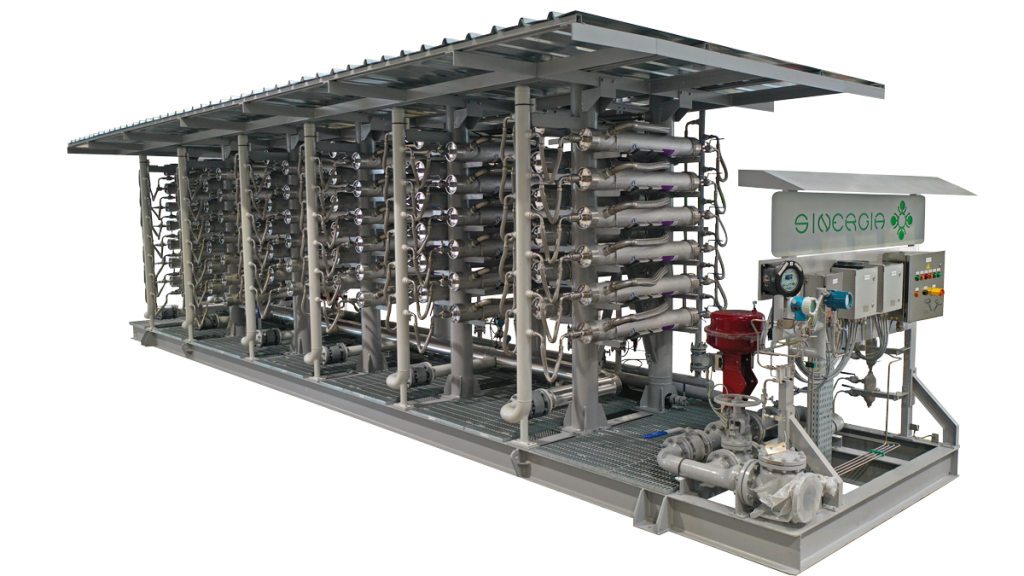
Nitrogen generation isn’t a one‑size‑fits‑all equation. In real plants, labs, and fabrication bays, teams are constantly juggling two levers that don’t always move together: purity and flow. Turn purity up, and flow (and capacity) can drop. Push for higher flow, and purity can slip, unless the system is designed to handle both. Getting this balance right affects everything from product shelf life to solder joint reliability to weld quality, not to mention energy cost per cubic foot. This article breaks down the science behind nitrogen gas purity vs. flow, how design choices shape both, and how operators can dial in an optimal balance with modern controls and monitoring, whether they’re running a compact skid or a plant-scale PneuTech nitrogen system.
The scientific link between gas purity, flow rate, and system design
Purity and flow are two sides of the same mass‑transfer coin. In on‑site generation systems, whether pressure swing adsorption (PSA), membrane, or cryogenic supply, the mechanism that removes oxygen and moisture has finite capacity. The closer a system pushes to ultra‑high purity, the more residence time or separation surface it needs per unit of gas, which naturally constrains flow.
In PSA units, carbon molecular sieve (CMS) selectively adsorbs oxygen under pressure and releases it during regeneration. Operating at higher purity (for example, 99.999% vs. 99.9%) demands deeper oxygen capture and longer adsorption cycles, plus more robust regeneration. That steals time and bed capacity from throughput, limiting instantaneous flow unless the system has oversized beds or parallel trains.
Membrane systems separate nitrogen as a slower‑permeating component across hollow‑fiber bundles. To raise purity, the system bleeds off more permeate (oxygen‑rich) and keeps a smaller fraction as product. If the inlet air and membrane area stay constant, higher purity simply means less product flow.
Design choices determine how much purity can be delivered at a given flow:
Separation surface: Larger CMS beds or membrane area support higher purity at the same flow.
Staging: Parallel beds/trains maintain flow while one stage pursues deeper purification.
Pressure and temperature: Higher feed pressure and controlled temperatures improve separation efficiency but increase compressor workload.
Controls: Precision flow control valves and oxygen trim (in PSA) can squeeze more purity from the same footprint.
In short, there’s no free lunch: every 9 added to nitrogen purity consumes separation capacity. Smart system design, often seen in industrial platforms from vendors like PneuTech, mitigates the trade‑off with right‑sized separation media, intelligent valving, and adaptive control of cycle timing.
Balancing nitrogen purity levels for packaging, electronics, and welding
Different applications tolerate different oxygen levels. Chasing “five nines” purity for every use case burns energy and capital without adding value. Instead, match nitrogen purity to the sensitivity of the process.
Food packaging (MAP): Most foods see substantial shelf‑life gains around 99.5–99.9% N2 (0.5–0.1% O2), combined with CO2 where needed. Delis and bakery often run 98–99% N2, while high‑fat snacks or nuts may justify 99.9% to curb rancidity. Higher than that rarely moves the needle for shelf life but can inflate cost.
Electronics (reflow/SMT): Solder wetting improves dramatically below ~1000 ppm O2. Many lines target 50–1000 ppm O2 (99.9–99.995% N2), tuned to alloy, flux chemistry, and defect targets. Ultra‑low oxygen (<100 ppm) is achievable but should be justified by measurable yield or rework reductions.
Welding and metal fabrication: For stainless TIG purging, operators typically aim for <100 ppm O2 in the purge zone to prevent sugaring: for backing gas on critical welds, <50 ppm may be specified. In laser cutting, nitrogen purity affects edge oxidation: mild steel can tolerate lower purity than aluminum or stainless, where bright edges favor >99.9% N2.
A practical approach is to define a process “oxygen budget.” Identify the oxygen sensitivity threshold for product quality, then set a nitrogen purity target slightly beyond that threshold to provide margin without starving flow. If the line’s peak demand is variable, many facilities opt for two modes: a high‑purity, lower‑flow mode for critical production windows and a standard‑purity, higher‑flow mode for general operation or purge/idle. Platforms from manufacturers such as PneuTech often make this easy with setpoint recipes and automated trim so teams aren’t riding the valves by hand.
How flow regulation affects compressor performance and energy use
Air in equals nitrogen out, eventually. Between those two points sits the compressor, the single largest energy consumer in a nitrogen system. How flow is regulated downstream of the compressor directly impacts kW/100 scf of nitrogen produced.
Throttling vs. matching: If product flow is choked by a manual valve while the compressor continues at full tilt, energy is wasted. The compressor still compresses air, but the generator rejects more of it to maintain purity. Variable‑speed drive (VSD) compressors paired with flow setpoints let the system match air supply to nitrogen demand, preserving purity without over‑compressing.
Pressure setpoints: PSA performance depends on stable feed pressure. Overshoot and undershoot force longer cycles and can degrade purity. A well‑tuned pressure band with low differential avoids wasteful pressure swings and protects CMS.
Heat management: Hot inlet air reduces separation efficiency in both PSA and membranes. Good aftercooling and dryer performance, along with low pressure drop filtration, keep specific energy in check. Every 2 psi of avoidable pressure drop adds roughly 1% to compressor energy.
Turn‑down strategy: During low‑demand periods, a smart strategy might shift to slightly lower purity to maintain bed health and eliminate idle blow‑off, or switch trains off while VSD compressors spin down. The right control logic prevents constant short‑cycling, which kills efficiency and equipment life.
Facilities that treat nitrogen generation as part of a connected air system typically cut total energy use by double digits. Many PneuTech deployments, for example, pair VSD compressors, high‑efficiency dryers, and inline flow/oxygen control so purity adjustments don’t send the compressor hunting. The result: stable ppm O2 at the point of use with fewer kWh per scf.
Monitoring purity levels with automated sensor feedback systems
You can’t balance what you don’t measure. Modern nitrogen skids integrate oxygen analyzers, pressure/temperature sensors, and mass flow meters into closed‑loop controls that keep purity and flow on target without constant human intervention.
Core elements of an effective feedback system:
Oxygen analyzers: Zirconia sensors offer fast response at low ppm O2, while thermal conductivity and electrochemical sensors cover broader ranges at lower cost. For electronics or TIG purge where small drifts matter, ppm‑range analyzers with auto‑calibration are worth it.
Mass flow control: Thermal mass flow meters give accurate standard flow, unaffected by temperature/pressure swings. Pairing meters with proportional valves enables the PLC to modulate product draw so O2 stays within spec even as demand shifts.
Feed‑forward logic: Anticipating load changes beats chasing them. When a packaging line starts, the system can pre‑pressurize beds, ramp the VSD compressor, and trim oxygen bleed to avoid a purity sag.
Alarms and quality records: High‑O2 alarms, trend logs, and batch reports make audits painless and help correlate defects with gas conditions. For multi‑use facilities, per‑line purity logging avoids finger‑pointing when issues arise.
Redundancy and validation: Dual O2 sensors or periodic cross‑checks catch drift. Simple validation, like introducing a certified span gas, keeps readings honest.
Vendors like PneuTech increasingly ship generators with integrated PLCs and remote dashboards so maintenance teams can see purity, flow, dew point, and compressor status on one screen. With that kind of telemetry, “Nitrogen Purity Vs Flow” becomes a managed control strategy rather than a daily compromise.
Every facility that depends on uninterrupted operations—from hospitals to manufacturing plants—relies heavily on backup power. The consequences of generator failure can range from lost productivity to serious safety risks. Yet, far too many systems fail at the worst time due to preventable oversights. Keeping an industrial generator running reliably isn’t about guesswork—it’s about consistent planning and careful system management.
Fortunately, avoiding failure and maintaining continuous uptime is achievable with a few foundational strategies. This guide outlines what every operator, facility manager, or engineer should do to stay ahead of pitfalls and deliver dependable power when it matters most.
1. Stick to a Strict Maintenance Schedule
One of the most effective ways to avoid generator failure is also one of the simplest: follow the manufacturer’s recommended maintenance schedule. Generators require routine servicing regardless of how frequently they run. Oil changes, coolant flushes, fuel system checks, and air filter replacements all play a role in keeping systems healthy.
Too many breakdowns begin with skipped maintenance tasks. Even idle generators degrade over time. Dust accumulation, battery depletion, or moisture in fuel tanks can all contribute to performance issues. Preventive action beats emergency repairs every time.
2. Monitor With a Genset Controller
If the generator is the engine of your power solution, the genset controller is its brain. It tracks key metrics in real time, such as oil pressure, temperature, battery voltage, and run hours. A well-calibrated controller doesn’t just provide data—it provides early warnings when conditions drift out of safe operating ranges.
Genset controllers also allow operators to automate test runs, log events, and remotely check status without manual inspections. This type of insight makes a huge difference in spotting faults before they trigger failure.
3. Run Regular Load Tests
It’s one thing for a generator to start. It’s another for it to handle actual demand. Load testing simulates the conditions of a real outage, showing whether your system is capable of supporting its intended workload.
Without periodic load tests, you might miss hidden issues like load imbalances, transfer delays, or insufficient capacity. Test under full load if possible. These checks give clarity on what your system can do and highlight vulnerabilities you wouldn’t otherwise detect through idle test runs.
4. Track Fuel Condition and Storage Practices
Generator fuel, especially diesel, can degrade faster than expected if stored improperly. Water, microbial contamination, and oxidation can all reduce fuel quality—leading to clogged filters, injector problems, and inefficient combustion.
Schedule fuel sampling and tank inspections. Install desiccant breathers or fuel polishing systems if fuel will be stored long term. Keeping fuel clean is a non-negotiable aspect of keeping an industrial generator dependable when it’s called into action.
5. Test the Transfer Switch Functionality
Even if the generator runs perfectly, it won’t be useful if power doesn’t transfer smoothly. The automatic transfer switch (ATS) bridges the gap between utility and generator supply. If it fails or hesitates, the result is an outage despite the generator being fully functional.
Routine ATS tests help verify response time and detect wear in relays, contacts, and timing mechanisms. Combine this with your load test routines to ensure the entire power pathway is responsive and aligned.
6. Train Operators for Rapid Response
Systems don’t fail in isolation—people interact with them. Human error remains one of the leading causes of generator failure. Make sure your operators understand the basics: how to interpret genset controller alerts, how to perform manual overrides, and how to initiate safe shutdowns or resets.
Training sessions, checklists, and simulations empower staff to handle anomalies calmly and correctly. This kind of preparation significantly reduces the risk of delayed action during critical events.
Conclusion
Avoiding generator failure isn’t about luck—it’s about planning, consistency, and vigilance. By pairing an efficient industrial generator with a capable genset controller, and reinforcing that with structured maintenance, fuel care, and staff training, you can build a power system that performs when needed. The result? More uptime, fewer emergencies, and greater confidence in your operations.
Keep your generator systems ready for anything—contact Rehlko today for dependable solutions designed to meet your facility’s toughest demands.
Getting carer’s leave papers through digital services needs specific information about both the worker and the person needing care. NextClinic asks for identity checks, relationship proof, and details about the sick person’s condition. The process confirms the genuine care need and worker eligibility for carer’s leave. Knowing the required papers before booking appointments speeds up certificate writing and stops delays in workplace sick leave approval.
Personal identification documents
Workers asking for a carer certificate online must prove their identity through standard identification methods. Platforms need full name, birth date, home address, and contact details during account setup. Photo ID, such as driver’s licenses or passports, may need uploading for checking. This confirms the person asking for the certificate is the worker needing the carer’s leave papers. Medicare card details or insurance information get added during sign-up. Employment details, including employer name and workplace address, help doctors understand workplace needs. Some platforms ask for worker ID numbers or payroll details, ensuring certificates have information employers need for leave processing.
Care recipient information
Doctors need specific details about the family member or household member needing care. Details about the sick worker and their relationship must be stated. Family members include spouse, partner, children, parents, and siblings. Extended family counts in some cases, depending on job agreements. The sick person’s age matters for certificate papers. Children under certain ages have different care needs than elderly parents. Birth dates or approximate ages get recorded during booking. This information appears on the certificate confirming who needs care.
Medical condition evidence
Doctors check whether the care situation genuinely needs the worker’s absence from work. Information about the sick person’s condition gets gathered during appointments. Workers describe symptoms, illness severity, and why their presence is needed. Common situations include children with bad flu, elderly parents after hospital stays, or partners recovering from operations. Supporting medical papers strengthens carer certificate requests. Hospital discharge forms showing when the sick person left medical care help doctors judge ongoing care needs. Existing medical certificates for the ill family member show a legitimate illness needing supervision. Prescription records or medicine lists show the sick person has genuine medical conditions needing help.
Relationship proof documentation
Proving the connection between the worker and the sick person may be required in some cases. Marriage certificates confirm husband and wife relationships. Birth certificates show parent-child connections. Legal declarations establish de facto partnerships or household member status for people not legally related but living together. Many online health platforms accept spoken confirmation of relationships during appointments. Doctors ask workers to confirm their relationship to the sick person. Only when employers question certificate validity do formal relationship papers become necessary. Keeping relationship proof papers accessible helps if checking becomes needed later.
Employment details required
Certificates must have employer information for workplace leave processing. Company name and address appear on all carer certificates. Some workplaces need worker ID numbers or department information. Knowing these details before appointments ensures certificates include all necessary workplace markers. Job agreements or work contracts may say a particular carer’s leave paper requirements. Reading these papers before asking for certificates helps workers give doctors correct information. Some industries or companies need extra details on certificates beyond standard formats. Telling doctors about special requirements during appointments ensures certificates meet workplace standards.