
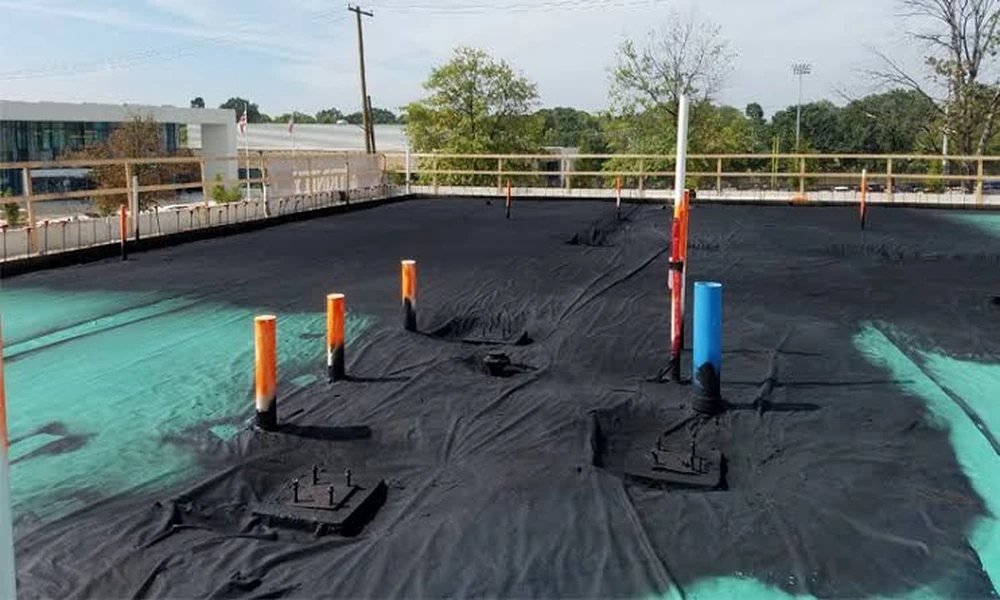
Indoor air quality is a huge deal for making indoor environments feel safe and comfortable. And even though there’s a risk of having airborne pollutants inside the building, there’s one solution not a lot of people really know about – a vapor intrusion mitigation system.
Harmful vapors can come into the building or building through a process called vapor intrusion. So an intrusion mitigation system is basically there to stop those contaminants from getting into indoor spaces. This is important to have when the building is near contaminated soil or groundwater.
Intrusion Mitigation System
This is a carefully-engineered system that blocks dangerous soil gases from getting into buildings. You’ll probably notice these systems installed across different kinds of properties. This is common in areas where there’s a high risk for soil contamination, or even just suspected.
Most of the time, the system works by creating negative pressure under the foundation, collecting the harmful vapors before they can seep indoors. It then vents them up safely above the roofline. This makes sure that the quantity of polluted air that actually makes it into the places where people are staying is well controlled.
How Vapor Intrusion Impacts Indoor Air Quality
Vapor intrusion happens when dangerous chemicals evaporate up from the soil or water, then creep indoors. They then move upward through utility openings and foundation gaps. Most of these vapors are colorless and odorless. That’s why they can be easy to miss. They might build up slowly inside the building.
Over time, exposure to certain contaminants might cause health issues. That’s why early detection and mitigation really help keep indoor air quality in check. Do something before it turns into a bigger problem.
Intrusion Mitigation System – How it Improves Indoor Air Quality
An intrusion mitigation system keeps working in the background. It keeps pulling contaminated soil gases out before they even get near human-occupied spaces. The system is designed to redirect the vapors away from the structure. Instead, it sends them out in a controlled way so they disperse into the atmosphere safely. This makes the air cleaner.
Applications of Intrusion Mitigation Systems
It is often more common to see these systems in buildings located on/nearby sites known to have environmental contamination. That can include places like former industrial facilities, gas stations, manufacturing plants, and so on.
Any building or commercial property in these areas must have a vapor mitigation installed. This helps when the indoor air quality is compromised. Both new projects and older buildings can benefit from this system.
How To Pick A Vapor Mitigation System
Picking the right vapor mitigation system starts with knowing what you really need and what the space requires. A site assessment by a qualified professional helps determine the type and concentration of contaminants. You want a system that fits local environmental rules, but also feels tailored to your site’s needs. There’s no one-size-fits-all setup for this.
Try to find contractors who are experienced in vapor intrusion mitigation installation. It is important that you understand the whole choosing process. Do not simply rely on their attractive ads. Don’t forget to choose a system that covers ongoing monitoring and regular maintenance. This ensures that the vapor mitigating system protects indoor air quality as it should.
Conclusion
An intrusion mitigation system is a useful way to protect indoor air quality. This helps keep the dangerous gases from seeping into occupied indoor spaces. It is important that the system is well-designed and installed correctly. This can deliver long-lasting protection. This way, you end up with healthier indoor conditions.

Comments are closed.