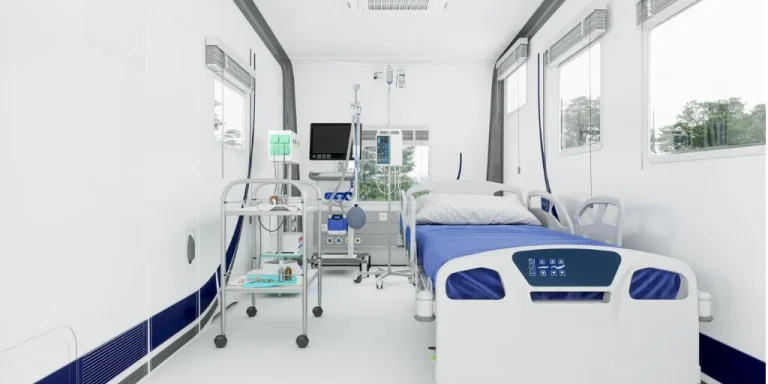
The COVID-19 pandemic revealed the underlying flaws of traditional health care systems, showing how they leave many individuals unable to access even basic medical services. One way to address some of these challenges is through mobile health clinics improving urban healthcare access, which bring essential medical services directly to communities that may otherwise struggle to reach hospitals or clinics.
Mobile Health Clinics: The fundamentals.
With the current healthcare reforms, a significant number of vulnerable groups such as low-income earners, racial and ethnic minorities, rural populations, and uninsured people still experience a disproportionate poor health condition. Healthcare made less equitable and less expensive is the goal of mobile health clinics to minimise these disparities. They are semi-autonomous or based on larger health systems and adjust their services to the requirements of the community to which they provide services.
Benefits of Mobile Clinics:
- Reduced Patient and Provider Costs.
Cost-effectiveness is one of the most important benefits of the mobile health clinic. Research indicates that a dollar invested in such clinics may have a high payoff in terms of savings of up to twelve dollars, mainly because of the decrease in the necessity to go to emergency rooms and be hospitalised. Preventive care is also given in mobile clinics and this is aimed at minimising the overall cost of medical care that a person incurs throughout their life. They do it through services like regular check-ups, vaccinations and tracking chronic illnesses that can identify the problems at the initial stage and avoid expensive complications.
- Greater Accessibility
Mobile health clinics enhance accessibility because it delivers services directly in communities that have poor healthcare infrastructures. Providers can offer services to meet local demands and are adaptable enough to react to evolving situations, be it a seasonal surge in illness, or a new outbreak of a health crisis amongst the population. A large percentage of the mobile clinics specifically target the uninsured population, those with low incomes, rural residents, and the homeless, i.e. the population at the greatest risk of falling into the cracks of the traditional care systems.
In addition to clinical care, mobile clinics frequently partner with other local partners like community health centres, schools, and churches to provide patients access to other support services. This facilitation enables the patient to access social resources and follow-up care that will make them better able to negotiate the complicated healthcare system.
Mobile Clinic Service
Mobile health clinics provide a broad scope of the necessary services, which fills the address gap between the needs of the community and the classical care delivery systems. These are key areas that are considered important and they include:
- Adult and children’s primary care.
- Preventive screening and chronic disease care.
- Mental and behavioural health care.
- Prenatal and dental services.
Most mobile clinics also provide speciality care such as mammography, ophthalmology and health education that make sure that underserved populations are provided with comprehensive care without incurring the cost and inconvenience of commuting to faraway facilities.
The Future of Mobile Clinics in the Age of COVID-19.
The mobile health clinics became even more useful during the pandemic. Mobile units evolved in response to the fixed-site facilities becoming overwhelmed or constrained by limiting virus spread, supplying community-based testing, and outreach telehealth services. These activities served to keep vulnerable patients in touch with care when they otherwise may have postponed treatment because of their fear of exposure or transport limitations.