Author

Leo Morrow

Browsing

New York patients and families are taking a closer look at Depo-Provera after reports connecting long-term hormonal injections to rare brain tumors such as meningiomas. Lawsuits now allege that manufacturers failed to adequately warn about neurological risks, prompting many to gather medical records and consult legal counsel. This article explains the controversy, summarizes current research, and outlines how claims are being filed in New York courts. It also addresses regulatory context, litigation trends, and the types of compensation available if liability is proven. If you are seeking more context or next steps, Tap here for a clear, step-by-step overview rooted in the latest developments, including claims phrased as Depo-Provera Cause Brain Tumors.

Overview of the Depo-Provera Controversy and Health Risks

Depo-Provera, an injectable contraceptive containing medroxyprogesterone acetate, has been widely used for decades because it is convenient and highly effective at preventing pregnancy. The controversy centers on whether long-term exposure to high-dose progestins can stimulate the growth of certain hormone-sensitive brain tumors, particularly meningiomas. Some patients who developed persistent headaches, vision changes, or seizures later learned they had meningiomas and began exploring whether their contraceptive history could be a contributing factor. Plaintiffs argue that warnings did not adequately highlight neurological symptoms or potential tumor risks, while manufacturers emphasize that existing labels address known risks and that causation has not been definitively proven. In New York, this debate has shifted to courts where product liability claims test whether the risk profile and disclosures met legal standards.

Commonly reported symptoms and concerns

Patients who have filed claims often describe a timeline involving prolonged Depo-Provera use followed by neurological symptoms that led to diagnostic imaging. While many side effects of hormonal contraception are familiar—such as changes in bleeding patterns, mood fluctuations, and bone mineral density concerns—the allegations here involve less common but more serious potential outcomes. Plaintiffs’ counsel typically focuses on whether manufacturers should have highlighted red-flag symptoms like new or worsening headaches, visual disturbances, cognitive changes, or focal neurological deficits. Medical guidance generally advises users not to abruptly discontinue any prescription without consulting a clinician, but to promptly report concerning neurological symptoms and request appropriate evaluation. Against this backdrop, some claims invoke the phrase Depo-Provera Cause Brain Tumors to capture a growing public search for clarity, even as scientific debate over risk magnitude and causality continues to evolve.

Scientific Evidence Linking Hormonal Injections to Brain Tumors

Research on progestins and meningiomas spans epidemiology, receptor biology, and real-world pharmacovigilance. Meningiomas frequently express progesterone receptors, which raises a biologically plausible mechanism for growth stimulation under certain hormonal conditions. Observational studies, including case-control and cohort analyses, have reported associations between high or prolonged exposure to certain progestins and meningioma incidence, though absolute risk remains low. For injectable medroxyprogesterone acetate, some analyses suggest signals that merit further study, particularly with multi-year use, but the evidence base still contains limitations such as confounding, exposure misclassification, and heterogeneity across formulations. Clinically, physicians must balance contraceptive benefits against potential risks, a calculus shaped by a patient’s age, medical history, and duration of use.

What the studies show—and what they don’t

A consistent theme across the literature is that association does not equal causation, especially when signals are modest and complicated by bias. Retrospective data can be influenced by differences in healthcare-seeking behavior, diagnostic intensity, and patients’ comorbidities. Dose-response trends, if present, strengthen the argument for a relationship, but they still require careful interpretation, particularly when exact dosing and adherence are difficult to confirm outside clinical trials. The mechanistic plausibility of progesterone receptor–positive tumors reacting to exogenous progestins is real, yet not all users will experience risk, and the absolute number of affected patients may be small. This nuance matters both in medicine and in court, where arguments about whether Depo-Provera Cause Brain Tumors hinge on integrating epidemiology, basic science, and individual patient facts; for clarity on evaluating these threads, Tap here for a deeper, data-driven primer you can review with a healthcare professional and an attorney.

How Affected Patients Can File Lawsuits Against Manufacturers

Filing a lawsuit in New York begins with evaluating whether your medical history, imaging, and treatment records support a theory that the product contributed to your injuries. Attorneys typically investigate usage duration, dosing intervals, symptom onset, diagnostic findings, and the timeline of physician consultations. The most common legal theories are failure to warn, design or manufacturing defects, and negligent misrepresentation. Plaintiffs must show that warnings were inadequate and that a different or stronger warning would have changed a prescribing or patient decision under the learned intermediary doctrine. Early preservation of evidence—medication logs, pharmacy records, MRI findings, surgical notes, and communications with providers—often makes a meaningful difference in the strength of a claim.

Step-by-step path to filing in New York

The practical path usually includes an intake interview, a review of pharmacy and medical records, and consultation with medical experts to assess general and specific causation. Your attorney then drafts a complaint alleging how the product’s risks were misrepresented or under-disclosed and detailing the injuries, losses, and requested damages. In New York, the general statute of limitations for product liability is usually three years from injury, but discovery rules can influence accrual in latent injury cases; wrongful death claims typically have a shorter timeframe. Cases may be filed in state court or removed to federal court depending on the parties and diversity jurisdiction; in some instances, related actions are centralized for pretrial proceedings. Because every timeline is fact-specific, prompt legal consultation is key, and if you’re unsure how to begin compiling documents and dates, Tap here to follow a structured checklist you can discuss with counsel.

FDA Warnings and Product Liability Standards in 2025

As of 2025, the FDA continues to evaluate safety signals through adverse event monitoring, epidemiological reviews, and sponsor-submitted data. Drug labeling changes are implemented when evidence supports a new or strengthened warning, and manufacturers can use the “changes being effected” pathway to update safety sections proactively. Current labeling for Depo-Provera prominently addresses bone mineral density and other known risks, while debates persist over the extent to which neurological risks should be highlighted. Importantly, the FDA does not adjudicate civil liability; it regulates labels and post-market surveillance, while courts decide whether warnings were adequate under state law. For New York plaintiffs, federal regulatory context informs but does not replace the standards juries and judges apply in product liability claims.

What counts as an adequate warning?

Under modern product liability, adequacy centers on whether warnings reasonably communicated material risks to prescribers and patients at the time of sale. Courts consider scientific knowledge available then, the seriousness and likelihood of the harm, clarity of language, and whether the warning would have changed prescribing decisions. Preemption issues can arise, especially for generics, but brand-name manufacturers typically retain responsibility for ensuring labels reflect evolving safety information. The learned intermediary doctrine means that if a stronger warning would have altered a clinician’s decision—such as switching methods, shortening duration, or instituting enhanced monitoring—a failure-to-warn claim gains traction. Plaintiffs invoking arguments like Depo-Provera Cause Brain Tumors will often rely on internal documents, expert testimony, and regulatory correspondence to show that a different warning strategy could have materially reduced risk.

Mass Tort Litigation Trends Involving Hormonal Drugs

Mass torts consolidate large numbers of similar claims while preserving each plaintiff’s individual damages and causation proof. In hormonal drug litigation, trends are shaped by published studies, safety communications, and patterns in adverse event reporting. Courts often scrutinize general causation through Daubert or Frye hearings before allowing expert testimony on whether a drug can cause a particular injury. If gatekeeping rulings favor plaintiffs, settlement dynamics can accelerate, whereas defense-friendly rulings may reduce leverage or narrow claims. Media coverage and patient advocacy can further influence awareness, bringing more potential claimants into the process as screening criteria sharpen over time.

How multidistrict litigation works

Multidistrict litigation (MDL) centralizes federal cases before one judge for coordinated discovery and pretrial rulings, aiming to avoid duplicative efforts and inconsistent orders. MDLs are not class actions; each plaintiff must prove individual injury and causation, but bellwether trials can test the strength of evidence and shape negotiations. If no global resolution emerges, cases can return to their home districts for trial. In hormone-related drug cases, MDL judges frequently manage complex expert issues around epidemiology and mechanistic science, ensuring both sides meet evidentiary standards. Understanding these processes helps claimants set realistic expectations about timelines, costs, and how their case may progress within or outside an MDL framework.

Compensation Types Available for Victims of Adverse Reactions

When lawsuits succeed or settle, compensation generally addresses both economic and non-economic losses. Economic damages can include past and future medical expenses, lost income, diminished earning capacity, and rehabilitation costs. Non-economic damages account for pain, suffering, emotional distress, and loss of enjoyment of life; New York does not impose a general cap on these categories, but awards must be supported by credible evidence. In rare cases involving egregious corporate conduct, punitive damages may be considered to deter future wrongdoing. Plaintiffs should anticipate lien resolution issues for health insurers and public programs, which can affect net recovery.

Documenting losses effectively

Well-organized documentation strengthens valuation and settlement negotiations. Plaintiffs should maintain a comprehensive file covering diagnostic imaging, operative reports, neuropathology findings if applicable, specialist notes, and medication histories. Employment records, tax returns, and employer correspondence help substantiate wage loss, while journals or statements from family and friends can illustrate daily impacts that medical charts may overlook. Expert life-care planners and vocational economists often translate complex needs—such as future neurosurgical follow-up or rehabilitation—into defensible cost projections. For claims framed around Depo-Provera Cause Brain Tumors, a clear chronology linking drug exposure, symptom onset, diagnosis, and functional changes can be decisive in quantifying damages.

Recent Case Filings Highlighting Growing Legal Awareness

Across New York, publicly available dockets show a gradual rise in filings alleging that long-term Depo-Provera use preceded diagnosis of meningioma or other brain tumors. Many cases are early in discovery, with motions addressing pleading sufficiency, choice of law, and the scope of expert testimony. Plaintiffs assert that earlier or stronger warnings regarding neurological symptoms could have prompted earlier imaging or alternative contraception, potentially altering outcomes. Defense responses emphasize overall safety profiles, the rarity of tumors, and the limits of observational science. As 2025 unfolds, court rulings on expert admissibility and failure-to-warn theories will likely influence both the pace of filings and the prospects for coordinated resolutions.

Signals to watch in 2025

Observers are tracking whether any New York or federal courts centralize related cases, how judges handle general causation challenges, and whether manufacturers modify labels or add new monitoring guidance. Early bellwether selections, if an MDL were created, would offer a read on how juries interpret complex science and individualized risk narratives. Insurance coverage disputes and indemnity issues may also shape settlement dynamics, especially if defense costs mount and scientific consensus shifts. Patients and families evaluating whether to file should continue gathering records and watch for case-management orders that may streamline filing requirements. For those seeking a practical starting point and a way to discuss concerns commonly phrased as Depo-Provera Cause Brain Tumors with counsel, Tap here to organize timelines, medical documentation, and questions for your initial consultation.

Home improvement demand in New Orleans is uniquely shaped by architectural heritage, climate realities, and neighborhood pride, which means digital strategies need to be as local as the markets they serve. Homeowners evaluate contractors online first, comparing photos, reviews, and pricing signals before they ever call. To compete, companies must combine focused local SEO, compelling content, and precise paid media with transparent reputation management. Whether you partner with specialists like Comrade Digital Marketing or build an in-house stack, the goal is the same: connect with the right homeowners at the right moment. A New Orleans Marketing Company that understands local culture and seasonality can help you translate expertise into measurable growth without wasting budget. This guide breaks down practical, channel-by-channel tactics tailored to the city’s historic neighborhoods and fast-changing digital landscape.

Adapting Digital Marketing to New Orleans’ Culturally Diverse Audience

New Orleans is not a monolith; it’s a mosaic of cultures and neighborhoods, each with distinct tastes, languages, and home styles. Home improvement brands win when they match that diversity with tailored messaging, inclusive visuals, and geo-specific offers. Speak to the traditions of Treme, the modern tastes of the CBD, and the restoration priorities of the Garden District with equal respect and specificity. Multilingual content—especially Spanish and Vietnamese—can expand reach while signaling authenticity and care. Pair that with sensitivity to local events, from second lines to Jazz Fest, and you create an approach that feels native rather than generic.

Local nuance, real neighborhood relevance

Start by building segmented personas that reflect the realities of New Orleans homeowners: historic preservationists, post-storm renovators, eco-conscious new buyers, and multigenerational households. Map these personas to neighborhood clusters so your ads, landing pages, and CTAs speak directly to hyperlocal priorities. For instance, highlight moisture control and raised foundation repairs near Lakeview, while featuring historic woodwork restoration for Uptown audiences. Align content calendars with the city’s rhythms—hurricane season preparedness in late summer, pre-holiday kitchen updates in early fall, and outdoor living enhancements in spring. The result is hyperlocal relevance that boosts engagement metrics and, ultimately, conversion rates.

Optimizing for “Near Me” Searches in Historic and Modern Districts

“Near me” intent is how homeowners solve today’s renovation puzzles, so your presence must be immediate and unmistakable. Start with an airtight Google Business Profile: accurate NAP, primary and secondary categories, robust service descriptions, and weekly photo uploads. Add neighborhood-focused service pages—think Bywater bathroom remodels or Algiers roofing repairs—using structured data to reinforce locality. Mobile page speed and clean UX matter more than ever because “near me” searchers often click from Maps and bounce if the page feels slow or cluttered. Layer in Apple Business Connect and Bing Places to capture additional map impressions across devices.

Maps, metadata, and micro-moments

Optimize for micro-moments by answering the top questions homeowners ask on the go: availability today, license and insurance status, permit expertise, and sample project timelines. Use concise FAQ sections and schema markup to surface that information in rich results and reduce friction on first contact. Encourage photos that showcase both historic craftsmanship and modern design so your brand looks credible in the French Quarter and practical in Lakeview. A neighborhood landing page strategy should include authentic project stories, proximity indicators (like driving time), and recent reviews from that area. When executed well, this is where a seasoned New Orleans Marketing Company can turn everyday “near me” queries into steady, qualified appointments.

Blending SEO and Social Media for Multichannel Growth

Organic search drives discovery while social creates desire—home improvement companies thrive when those two engines push together. Start with SEO content pillars such as stormproofing guides, kitchen remodel budgets, or historical façade care, then repurpose them into short-form reels, carousels, and Stories. Align each page with a clear user intent, and use internal links to guide visitors from educational posts to project galleries and estimate forms. On social, spotlight homeowner narratives and time-lapse transformations to build credibility and emotional connection. Tag neighborhood locations, use localized hashtags, and publish when homeowners browse most—early mornings, lunch hours, and early evenings.

Content pillars that cross channels

Tie campaigns together with tracking links and consistent CTAs so your analytics reveal which combinations of posts and pages create actual leads. You can funnel high-intent traffic from Google to Instagram highlights showcasing before-and-after sequences, then retarget that engaged audience with an offer on Facebook or YouTube. Use UTM parameters to attribute conversions and refine spend toward the most efficient topics and formats. If capacity allows, experiment with collaborative content, such as walk-throughs with preservation experts or Q&A sessions with interior designers, to build authority. For teams seeking proven playbooks, partners like Comrade Digital Marketing offer frameworks for aligning SEO roadmaps with social calendars without diluting brand voice.

The Power of Storytelling in Home Renovation Campaigns

Renovation is as emotional as it is functional; homeowners invest not only in materials but in a vision of what life will be like after the project. Storytelling helps you align your brand with that vision—show the problem, the plan, the craftsmanship, and the reveal. In New Orleans, that narrative often includes preserving architectural heritage while improving resilience, from proper flashing to moisture management and wind-rated windows. Use homeowner voices, not just your own, to give proof and personality to each project. And remember accessibility: captions for video, clear contrasts in graphics, and straightforward language can expand your reach across age and language groups.

Structures that move prospects to act

Structure case studies with narrative clarity: the homeowner’s challenge, site constraints, budget guardrails, the proposed solution, and measurable outcomes. Highlight local context, such as navigating permits for historic districts or coordinating around storm forecasts to protect materials. Where possible, quantify results—energy savings percentages, project timelines, and warranty terms—so the story grounds emotion in facts. Complement written pieces with short videos and carousel galleries that move from “before” to “process” to “after,” emphasizing details like reclaimed cypress or custom millwork. A mix of proof and personality creates a persuasive arc that invites prospects to imagine their own transformation and take the next step.

Managing PPC Budgets During Seasonal Storm Repair Demand

Paid search and social ads keep leads consistent, but New Orleans’ storm cycles require flexible budgets and precision targeting. In peak seasons, emergency search terms for roof tarping, water mitigation, and structural drying surge, pushing CPCs higher. Plan for this volatility with budget tiers: baseline spend for steady categories, surge allocations for severe weather, and maintenance spend for remarketing. Use call extensions, location assets, and responsive search ads that emphasize 24/7 availability, licensing, and local expertise. Align landing pages with urgent intent—fast load times, click-to-call buttons, and clear next steps for inspections and estimates.

Weather-aware bidding and pacing

Activate automated rules that sync to weather alerts so bids and budgets scale when storms approach and taper as demand normalizes. Segment campaigns by service and urgency—emergency mitigation in one, long-term restoration in another—to maintain control of bids and cost per lead. Build negative keyword lists to avoid irrelevant clicks, and lean on audience layering to prioritize homeowners likely to convert. Analyze impression share and lost IS due to budget to understand when you should scale or hold. When complexity rises, a seasoned New Orleans Marketing Company can help implement forecasting models and dayparting strategies that protect profitability while capturing local demand spikes.

Building Trust Through Verified Local Directories and Reviews

In home improvement, trust travels through listings, stars, and photos long before a phone call. Make sure your profiles on Google, Yelp, BBB, Houzz, and Angi are complete, verified, and consistent down to the suite number. Add high-quality project images, licenses, insurance information, and service areas so homeowners see instant credibility. Set a review response cadence that reflects your brand’s reliability: respond to positives with gratitude and details, and address negatives with empathy, solutions, and follow-ups. Implement structured data for aggregate ratings on your site so search results reflect your reputation.

From listing hygiene to reputation flywheel

Create a compliant review acquisition program that asks at the right moment—typically right after a successful walkthrough or project milestone. Offer simple paths to review (QR codes on jobsite signs, follow-up texts, and email links), and never gate or incentivize in ways that violate platform policies. Showcase reviews by neighborhood to spark local recognition, and integrate them into landing pages where they can influence conversion. Track review velocity and distribution so you’re not overexposed on a single platform or underrepresented in key neighborhoods. Consistency is king here, and a New Orleans Marketing Company that manages profiles and feedback loops can turn positive experiences into a predictable pipeline of referrals.

Leveraging AI Tools to Personalize Home Improvement Offers

AI can sharpen your marketing edge, especially when paired with the human expertise that homeowners expect from reputable contractors. Use predictive analytics to score leads based on behavior—pages viewed, time on site, and form inputs—and route high-intent prospects to faster follow-up. Dynamic creative optimization can adjust ad visuals to emphasize storm readiness during peak months and energy efficiency in milder seasons. AI-driven chat on your site can qualify by budget range, timeline, and neighborhood, then schedule estimates or provide rough quote ranges instantly. The aim is not to automate away empathy but to speed access to the right information at the right moment.

Practical personalization with guardrails

Start with first-party data discipline: clear consent, clean CRM fields, and event tracking that respects privacy while enabling relevant experiences. Build audience segments such as historic restoration, kitchen and bath upgrades, and post-storm repairs, then tailor emails, ads, and landing page modules to each segment’s concerns. Test language variations for cultural nuance and clarity, and let AI assist with multilingual drafts while your team ensures tone and accuracy. Combine GA4’s predictive metrics with social platform lookalikes to expand reach among homeowners who resemble your best customers. For teams ready to scale personalization without losing brand consistency, guidance from Comrade Digital Marketing can help align AI workflows with craftsmanship-focused messaging that resonates citywide.

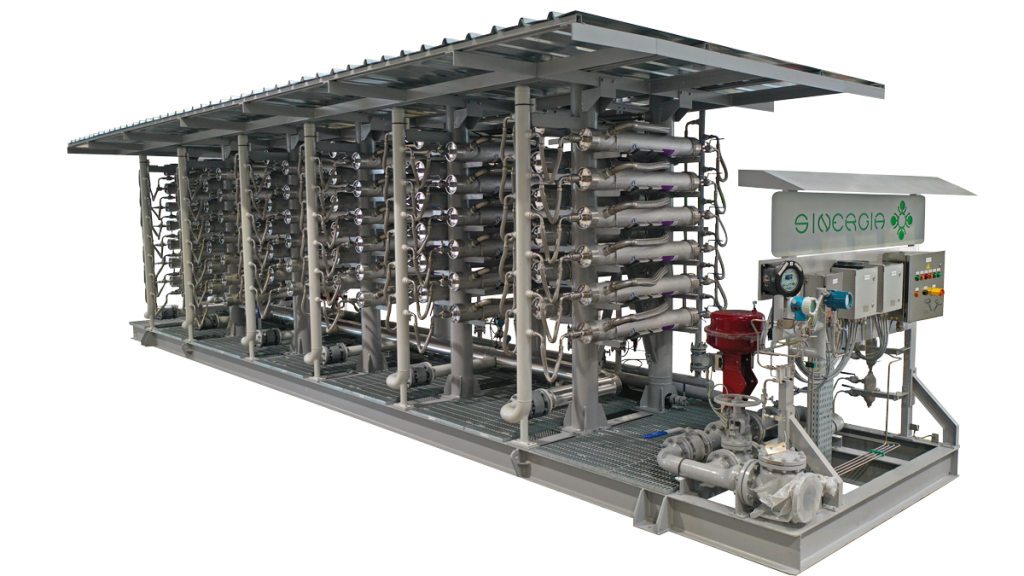
Nitrogen generation isn’t a one‑size‑fits‑all equation. In real plants, labs, and fabrication bays, teams are constantly juggling two levers that don’t always move together: purity and flow. Turn purity up, and flow (and capacity) can drop. Push for higher flow, and purity can slip, unless the system is designed to handle both. Getting this balance right affects everything from product shelf life to solder joint reliability to weld quality, not to mention energy cost per cubic foot. This article breaks down the science behind nitrogen gas purity vs. flow, how design choices shape both, and how operators can dial in an optimal balance with modern controls and monitoring, whether they’re running a compact skid or a plant-scale PneuTech nitrogen system.

The scientific link between gas purity, flow rate, and system design

Purity and flow are two sides of the same mass‑transfer coin. In on‑site generation systems, whether pressure swing adsorption (PSA), membrane, or cryogenic supply, the mechanism that removes oxygen and moisture has finite capacity. The closer a system pushes to ultra‑high purity, the more residence time or separation surface it needs per unit of gas, which naturally constrains flow.

In PSA units, carbon molecular sieve (CMS) selectively adsorbs oxygen under pressure and releases it during regeneration. Operating at higher purity (for example, 99.999% vs. 99.9%) demands deeper oxygen capture and longer adsorption cycles, plus more robust regeneration. That steals time and bed capacity from throughput, limiting instantaneous flow unless the system has oversized beds or parallel trains.

Membrane systems separate nitrogen as a slower‑permeating component across hollow‑fiber bundles. To raise purity, the system bleeds off more permeate (oxygen‑rich) and keeps a smaller fraction as product. If the inlet air and membrane area stay constant, higher purity simply means less product flow.

Design choices determine how much purity can be delivered at a given flow:

  • Separation surface: Larger CMS beds or membrane area support higher purity at the same flow.
  • Staging: Parallel beds/trains maintain flow while one stage pursues deeper purification.
  • Pressure and temperature: Higher feed pressure and controlled temperatures improve separation efficiency but increase compressor workload.
  • Controls: Precision flow control valves and oxygen trim (in PSA) can squeeze more purity from the same footprint.

In short, there’s no free lunch: every 9 added to nitrogen purity consumes separation capacity. Smart system design, often seen in industrial platforms from vendors like PneuTech, mitigates the trade‑off with right‑sized separation media, intelligent valving, and adaptive control of cycle timing.

Balancing nitrogen purity levels for packaging, electronics, and welding

Different applications tolerate different oxygen levels. Chasing “five nines” purity for every use case burns energy and capital without adding value. Instead, match nitrogen purity to the sensitivity of the process.

  • Food packaging (MAP): Most foods see substantial shelf‑life gains around 99.5–99.9% N2 (0.5–0.1% O2), combined with CO2 where needed. Delis and bakery often run 98–99% N2, while high‑fat snacks or nuts may justify 99.9% to curb rancidity. Higher than that rarely moves the needle for shelf life but can inflate cost.
  • Electronics (reflow/SMT): Solder wetting improves dramatically below ~1000 ppm O2. Many lines target 50–1000 ppm O2 (99.9–99.995% N2), tuned to alloy, flux chemistry, and defect targets. Ultra‑low oxygen (<100 ppm) is achievable but should be justified by measurable yield or rework reductions.
  • Welding and metal fabrication: For stainless TIG purging, operators typically aim for <100 ppm O2 in the purge zone to prevent sugaring: for backing gas on critical welds, <50 ppm may be specified. In laser cutting, nitrogen purity affects edge oxidation: mild steel can tolerate lower purity than aluminum or stainless, where bright edges favor >99.9% N2.

A practical approach is to define a process “oxygen budget.” Identify the oxygen sensitivity threshold for product quality, then set a nitrogen purity target slightly beyond that threshold to provide margin without starving flow. If the line’s peak demand is variable, many facilities opt for two modes: a high‑purity, lower‑flow mode for critical production windows and a standard‑purity, higher‑flow mode for general operation or purge/idle. Platforms from manufacturers such as PneuTech often make this easy with setpoint recipes and automated trim so teams aren’t riding the valves by hand.

How flow regulation affects compressor performance and energy use

Air in equals nitrogen out, eventually. Between those two points sits the compressor, the single largest energy consumer in a nitrogen system. How flow is regulated downstream of the compressor directly impacts kW/100 scf of nitrogen produced.

  • Throttling vs. matching: If product flow is choked by a manual valve while the compressor continues at full tilt, energy is wasted. The compressor still compresses air, but the generator rejects more of it to maintain purity. Variable‑speed drive (VSD) compressors paired with flow setpoints let the system match air supply to nitrogen demand, preserving purity without over‑compressing.
  • Pressure setpoints: PSA performance depends on stable feed pressure. Overshoot and undershoot force longer cycles and can degrade purity. A well‑tuned pressure band with low differential avoids wasteful pressure swings and protects CMS.
  • Heat management: Hot inlet air reduces separation efficiency in both PSA and membranes. Good aftercooling and dryer performance, along with low pressure drop filtration, keep specific energy in check. Every 2 psi of avoidable pressure drop adds roughly 1% to compressor energy.
  • Turn‑down strategy: During low‑demand periods, a smart strategy might shift to slightly lower purity to maintain bed health and eliminate idle blow‑off, or switch trains off while VSD compressors spin down. The right control logic prevents constant short‑cycling, which kills efficiency and equipment life.

Facilities that treat nitrogen generation as part of a connected air system typically cut total energy use by double digits. Many PneuTech deployments, for example, pair VSD compressors, high‑efficiency dryers, and inline flow/oxygen control so purity adjustments don’t send the compressor hunting. The result: stable ppm O2 at the point of use with fewer kWh per scf.

Monitoring purity levels with automated sensor feedback systems

You can’t balance what you don’t measure. Modern nitrogen skids integrate oxygen analyzers, pressure/temperature sensors, and mass flow meters into closed‑loop controls that keep purity and flow on target without constant human intervention.

Core elements of an effective feedback system:

  • Oxygen analyzers: Zirconia sensors offer fast response at low ppm O2, while thermal conductivity and electrochemical sensors cover broader ranges at lower cost. For electronics or TIG purge where small drifts matter, ppm‑range analyzers with auto‑calibration are worth it.
  • Mass flow control: Thermal mass flow meters give accurate standard flow, unaffected by temperature/pressure swings. Pairing meters with proportional valves enables the PLC to modulate product draw so O2 stays within spec even as demand shifts.
  • Feed‑forward logic: Anticipating load changes beats chasing them. When a packaging line starts, the system can pre‑pressurize beds, ramp the VSD compressor, and trim oxygen bleed to avoid a purity sag.
  • Alarms and quality records: High‑O2 alarms, trend logs, and batch reports make audits painless and help correlate defects with gas conditions. For multi‑use facilities, per‑line purity logging avoids finger‑pointing when issues arise.
  • Redundancy and validation: Dual O2 sensors or periodic cross‑checks catch drift. Simple validation, like introducing a certified span gas, keeps readings honest.

Vendors like PneuTech increasingly ship generators with integrated PLCs and remote dashboards so maintenance teams can see purity, flow, dew point, and compressor status on one screen. With that kind of telemetry, “Nitrogen Purity Vs Flow” becomes a managed control strategy rather than a daily compromise.

Every facility that depends on uninterrupted operations—from hospitals to manufacturing plants—relies heavily on backup power. The consequences of generator failure can range from lost productivity to serious safety risks. Yet, far too many systems fail at the worst time due to preventable oversights. Keeping an industrial generator running reliably isn’t about guesswork—it’s about consistent planning and careful system management.

Fortunately, avoiding failure and maintaining continuous uptime is achievable with a few foundational strategies. This guide outlines what every operator, facility manager, or engineer should do to stay ahead of pitfalls and deliver dependable power when it matters most.

1. Stick to a Strict Maintenance Schedule

One of the most effective ways to avoid generator failure is also one of the simplest: follow the manufacturer’s recommended maintenance schedule. Generators require routine servicing regardless of how frequently they run. Oil changes, coolant flushes, fuel system checks, and air filter replacements all play a role in keeping systems healthy.

Too many breakdowns begin with skipped maintenance tasks. Even idle generators degrade over time. Dust accumulation, battery depletion, or moisture in fuel tanks can all contribute to performance issues. Preventive action beats emergency repairs every time.

2. Monitor With a Genset Controller

If the generator is the engine of your power solution, the genset controller is its brain. It tracks key metrics in real time, such as oil pressure, temperature, battery voltage, and run hours. A well-calibrated controller doesn’t just provide data—it provides early warnings when conditions drift out of safe operating ranges.

Genset controllers also allow operators to automate test runs, log events, and remotely check status without manual inspections. This type of insight makes a huge difference in spotting faults before they trigger failure.

3. Run Regular Load Tests

It’s one thing for a generator to start. It’s another for it to handle actual demand. Load testing simulates the conditions of a real outage, showing whether your system is capable of supporting its intended workload.

Without periodic load tests, you might miss hidden issues like load imbalances, transfer delays, or insufficient capacity. Test under full load if possible. These checks give clarity on what your system can do and highlight vulnerabilities you wouldn’t otherwise detect through idle test runs.

4. Track Fuel Condition and Storage Practices

Generator fuel, especially diesel, can degrade faster than expected if stored improperly. Water, microbial contamination, and oxidation can all reduce fuel quality—leading to clogged filters, injector problems, and inefficient combustion.

Schedule fuel sampling and tank inspections. Install desiccant breathers or fuel polishing systems if fuel will be stored long term. Keeping fuel clean is a non-negotiable aspect of keeping an industrial generator dependable when it’s called into action.

5. Test the Transfer Switch Functionality

Even if the generator runs perfectly, it won’t be useful if power doesn’t transfer smoothly. The automatic transfer switch (ATS) bridges the gap between utility and generator supply. If it fails or hesitates, the result is an outage despite the generator being fully functional.

Routine ATS tests help verify response time and detect wear in relays, contacts, and timing mechanisms. Combine this with your load test routines to ensure the entire power pathway is responsive and aligned.

6. Train Operators for Rapid Response

Systems don’t fail in isolation—people interact with them. Human error remains one of the leading causes of generator failure. Make sure your operators understand the basics: how to interpret genset controller alerts, how to perform manual overrides, and how to initiate safe shutdowns or resets.

Training sessions, checklists, and simulations empower staff to handle anomalies calmly and correctly. This kind of preparation significantly reduces the risk of delayed action during critical events.

Conclusion

Avoiding generator failure isn’t about luck—it’s about planning, consistency, and vigilance. By pairing an efficient industrial generator with a capable genset controller, and reinforcing that with structured maintenance, fuel care, and staff training, you can build a power system that performs when needed. The result? More uptime, fewer emergencies, and greater confidence in your operations.

Keep your generator systems ready for anything—contact Rehlko today for dependable solutions designed to meet your facility’s toughest demands.

Few aspects of managing a brand’s social media presence require more judgement and composure than responding to negative comments, complaints, and deliberate provocation. The visibility of these exchanges means that every response, or lack thereof, is a public signal about the brand’s character and values. Getting this right requires a clear framework, genuine empathy, and the self-discipline to resist defensive or reactive responses that feel satisfying in the moment but create problems in the longer term.

Distinguishing Between Different Types Of Negative Content

Not all negative social media comments are the same, and treating them as if they were leads to mishandled responses. There are at least four distinct categories worth separating: genuine complaints from real customers, critical but fair commentary from engaged audiences, misinformation or factually incorrect statements, and deliberate trolling or bad-faith provocation. Each requires a different response strategy.

Guidance from ACAS, which advises businesses on workplace communication and conduct, recognises that the line between robust feedback and harassment is often contested online, and that organisations need clear policies for navigating this spectrum. Having a defined framework before negative content arrives is far preferable to improvising responses in the heat of a difficult moment.

Responding To Genuine Complaints

Genuine complaints deserve prompt, empathetic, and genuinely helpful responses. The primary goal is to resolve the customer’s problem, not to manage the brand’s public appearance, though a well-handled complaint response does both simultaneously. Acknowledging the issue, apologising where appropriate, explaining the steps being taken to resolve it, and offering to continue the conversation in a private channel are all elements of a response that demonstrates authentic customer care.

Speed matters enormously. A complaint that receives a thoughtful response within an hour is far less likely to escalate than one that sits unaddressed overnight. Most customers who complain publicly are not trying to damage the brand; they are frustrated and want to be heard. Being heard quickly, by a human voice rather than an automated reply, resolves the majority of complaints before they become crises.

Handling Unfair Or Factually Incorrect Criticism

When criticism is unfair or based on incorrect information, the temptation is to respond with frustration. The more effective approach is to respond calmly, factually, and without defensiveness, offering the correct information and inviting further conversation if the person wishes to discuss the matter. This approach demonstrates confidence rather than insecurity, and public audiences who observe the exchange will draw their own conclusions.

When To Ignore And When To Act On Trolling

Deliberate trolling, characterised by bad-faith engagement, inflammatory language, and no genuine interest in resolution, rarely warrants a substantive response. Engaging with trolls typically amplifies their reach and provides the reaction they are seeking. A brief, neutral acknowledgement followed by withdrawal of engagement, or in persistent cases, blocking or reporting, is usually the correct response. Clear community standards displayed on the account’s profile provide legitimate grounds for moderation decisions that are visible to other users.

Establishing these protocols in advance, as part of a comprehensive social media policy, enables consistent responses regardless of which team member encounters the difficult content. Effective social media management from a company like 99social includes the operational support to monitor comments actively and respond appropriately, keeping the brand’s social channels positive and productive environments.

In today’s fast-paced business environment, strong communication skills are not just an advantage; they are essential. Whether you are pitching an idea, leading a team meeting, or representing your business at a conference, the way you communicate can significantly impact your success and your company’s reputation.

The Power of Clear Communication

Clear, confident communication helps ensure your message is understood and remembered. It can help you persuade stakeholders, motivate teams, and build trust with clients and colleagues.

In a world where attention spans are short, the ability to deliver your message in a compelling, concise manner can set you apart and open doors to new opportunities.

Building Confidence

Many professionals know their subject well but struggle to communicate it effectively. Nerves, lack of structure, or uncertainty about delivery can all get in the way of sharing ideas clearly.

Developing your communication skills can help you speak with confidence, ensuring your expertise and enthusiasm shine through, even under pressure.

Presenting in a Hybrid World

With many meetings now taking place online as well as in person, the ability to adapt your presentation style is increasingly important. Good communicators know how to maintain energy, engage audiences, and manage their delivery across different platforms.

Investing in your communication skills can help you remain effective and engaging, whether you are presenting in a boardroom or via video call.

The Impact on Your Career

Strong presentation skills can positively impact your career, helping you to:

  • Influence and inspire others
  • Build your professional reputation
  • Lead teams with clarity
  • Win new clients or secure funding
  • Progress into leadership positions

Being able to present well demonstrates confidence, credibility and clarity, qualities that are valued in every industry.

Why Skills Need Practice

Many people assume that good communicators are simply “naturally talented”, but in reality, effective presentation is a skill that can be learned and refined with the right guidance and practice.

By investing in a Presentation Skills Course, professionals can gain practical tools and feedback to develop their delivery, structure content effectively, and engage audiences with confidence.

Supporting Teams to Communicate Better

Strong communication skills are not only valuable for individuals but also for teams. Businesses that invest in developing their employees’ presentation skills can benefit from improved collaboration, clearer messaging in client interactions, and a more confident, motivated workforce.

A team that can communicate effectively internally and externally is better positioned to build relationships, solve problems, and drive projects forward successfully.

Making an Impact

Every presentation is an opportunity to make an impact. Whether you are addressing five people or fifty, the way you deliver your message matters.

By focusing on clear structure, engaging storytelling, and confident delivery, you can ensure that your message resonates with your audience and achieves the outcomes you need.

Final Thoughts

In business, communication is key to success. Investing in your presentation skills can transform the way you share ideas, lead teams, and represent your organisation, helping you to stand out in your industry and progress in your career.

If you are looking to build your confidence and enhance your communication skills, taking the step to join a Presentation Skills Course can be a valuable investment in your professional development and your future.

In today’s competitive industrial landscape, having the right air compressor can significantly impact productivity, efficiency, and operational costs. Elgi Compressors, a leading brand in the compressed air industry, are renowned for their durability, efficiency, and advanced technology. However, selecting the appropriate Elgi compressor tailored to your specific industrial needs requires careful consideration. This article explores key factors to help you make an informed decision and maximize the benefits of your investment.

Understanding Your Industrial Air Compressor Requirements

Before diving into the different models and specifications of Elgi compressors, it is essential to assess your industrial air requirements thoroughly. Different industries and applications demand varying air pressures, volumes, and duty cycles. Begin by identifying the nature of your operations: Are you powering pneumatic tools, controlling manufacturing processes, or running large-scale machinery? This understanding will help define the necessary air flow (measured in cubic feet per minute or CFM) and pressure (measured in pounds per square inch or PSI).

Moreover, consider the environment in which the compressor will operate. Factors such as ambient temperature, humidity, space constraints, and power availability influence the selection process. Elgi Compressors offer a broad product range, from oil-lubricated rotary screw compressors to oil-free variants, each suited to specific operational environments and industry regulations.

Evaluating Compressor Types Offered by Elgi

Elgi Compressors provides a variety of compressor types, each engineered for distinct industrial uses. Two primary categories to focus on are oil-lubricated rotary screw compressors and oil-free compressors.

Oil-lubricated compressors are ideal for heavy-duty applications requiring continuous operation and high air output. These compressors are known for their robustness and ability to operate efficiently under demanding conditions. On the other hand, oil-free compressors are critical in industries such as pharmaceuticals, food processing, and electronics, where air purity is non-negotiable. Elgi’s oil-free compressors ensure zero contamination, meeting stringent quality standards.

By evaluating the pros and cons of each compressor type in relation to your operational demands, you can select a model that balances performance with maintenance requirements and lifecycle costs.

Assessing Energy Efficiency and Operational Costs

Energy consumption represents a significant portion of the total cost of ownership for industrial compressors. Elgi Compressors are recognized for their energy-efficient designs, which incorporate advanced technologies such as variable speed drives (VSD) and optimized air-end designs. When selecting a compressor, assess its energy efficiency ratings and compatibility with your facility’s energy management systems.

Additionally, consider the maintenance costs associated with the compressor. Elgi’s reputation for reliability is supported by their comprehensive after-sales service and availability of spare parts. Choosing a compressor model that offers easy serviceability and lower downtime can translate into substantial long-term savings.

Reviewing Capacity and Scalability

Industrial operations are often dynamic, with air demand fluctuating due to production scaling, new equipment integration, or process changes. Selecting an Elgi compressor with the right capacity ensures you meet current needs without over-investing in excess power. However, it is equally important to consider future scalability.

Many Elgi Compressors models come with modular designs or options for capacity upgrades, allowing businesses to adapt without replacing the entire system. Such flexibility is invaluable for industries planning gradual expansion or those with seasonal demand variations.

Ensuring Compliance with Industry Standards and Safety

Compliance with industry-specific regulations and safety standards is crucial when choosing industrial equipment. Elgi Compressors are designed to meet global standards such as ISO, ASME, and various national certifications. These standards guarantee that the compressors not only perform efficiently but also operate safely in different industrial settings.

Before finalizing your purchase, verify that the selected Elgi compressor complies with relevant local and international standards, particularly if your industry has strict environmental or quality controls. Additionally, consider the noise levels and emission controls integrated into the compressor design to ensure workplace safety and regulatory adherence.

Partnering with a Trusted Supplier and Service Provider

Choosing the right Elgi compressor extends beyond the machine itself. A reliable supplier who understands your industrial needs and offers robust after-sales support can significantly influence your overall satisfaction and equipment uptime. Elgi Compressors are widely supported by an extensive dealer network and authorized service centers.

Engage with suppliers who provide comprehensive consultation, timely installation, operator training, and preventive maintenance services. This partnership helps optimize compressor performance and extends the equipment’s lifespan, making it a valuable asset to your industrial operations.

Conclusion

Selecting the right Elgi Compressors for your industrial needs involves a comprehensive evaluation of your operational requirements, compressor types, energy efficiency, capacity, compliance, and supplier support. By thoroughly assessing these factors, you can ensure that your chosen compressor not only meets your current demands but also supports your business growth and sustainability goals.

Investing in the right Elgi compressor is an investment in productivity, reliability, and cost-effectiveness, ultimately contributing to the success of your industrial enterprise.


Maintaining optimal performance requires constant work and thoughtful self-care; it’s a marathon, not a sprint. Elite people understand that high accomplishment is built on the foundation of their everyday routine. They place a high priority on sleep because they recognize how important it is for emotional control, physical healing, and cognitive performance. A well-rested mind is a keen mind that can process information, establish perceptive connections, and solve challenging problems.

Mindfulness activities foster mental sharpness in addition to physical rest. Their daily routines incorporate practices like yoga or meditation, which promote a state of present-moment awareness that reduces stress and improves focus. This enables them to approach assignments with clarity and, even in the face of extreme pressure, make cool, collected conclusions. These habits are a key part of understanding how to reach your potential and sustaining excellence over time.

Finally, planned breaks are considered as tools for optimal performance, not indulgences. These timed breaks prevent mental tiredness, burnout, and renew the mind to restart work with vigour. Elite performers construct their routines to include relaxation, awareness, and well-timed pauses to maintain success.

Leveraging Tools for Efficiency and Growth

Top performers don’t hesitate to use technology and other resources that can help them perform better. To make sure that every minute is used efficiently, this entails using time management tools like calendar blocking or task management applications. They also make use of feedback loops, actively seeking out helpful criticism to pinpoint problem areas and monitor their development. The power of mentoring is another crucial instrument for achieving optimal performance. Gaining knowledge and direction from the experiences of others who have succeeded in their area can be extremely beneficial.

Embracing Mental Models for Decision-Making

Peak performers use complex mental models to negotiate challenging situations and make well-informed judgments, going beyond routines and tools. One effective approach is first principles thinking, which breaks down an issue into its most basic facts to allow for creative solutions. The idea of probability, which entails estimating the possibility of various outcomes in order to reduce risk and maximize strategies, is another essential model.

Cultivating Resilience and Adaptability

Setbacks are unavoidable, and the road to peak performance is rarely straight. Top performers stand out for their capacity to overcome hardship and adjust to shifting conditions. This calls for having a strong sense of self-awareness, identifying feelings, and creating constructive coping strategies to manage stress. Moreover, accepting failure as a teaching moment, examining errors, and drawing insightful conclusions. It’s critical to keep an open mind to fresh insights and information since this enables ongoing strategy and approach improvement. Achieving peak performance is a constant process of developing oneself and realizing one’s potential rather than a final goal.

As work environments evolve, many businesses are turning to time and attendance systems to keep track of when employees clock in, clock out, and even take breaks. These systems help make the payroll process smoother, but they also raise an important question: are they truly boosting productivity, or are they veering into the realm of micromanagement?

On the one hand, time and attendance systems can help businesses stay organised, ensure accuracy, and track performance. On the other hand, if overused or mismanaged, they could foster a culture of micromanagement and cause employees to feel like they’re being watched too closely.

The Positive Side of Time and Attendance Systems: Efficiency and Transparency

Time and attendance system, when used properly, can benefit both employers and employees. Here’s why they’re so popular:

1. Accuracy in Tracking

One of the biggest advantages of time and attendance systems is that they help businesses maintain accuracy. 

Mistakes can happen when relying on manual timesheets or employee self-reporting, especially when employees forget to clock in or out or misunderstand the system. But with a digital time tracker, everything is recorded automatically, meaning there’s less chance of error. 

The system keeps track of when employees start and end their shifts, their breaks, and any overtime. It’s not only a time-saver but also crucial for payroll accuracy.

2. Reduced Administrative Hassles

Handling employee hours manually can be a major headache for HR and payroll teams. If there are discrepancies, someone has to investigate them, adjust the records, and ensure everyone is paid correctly. time and attendance software takes care of all this by automating the process. 

Managers don’t need to manually calculate hours worked, overtime, or time-off requests. The system does it for them, saving time and reducing the risk of human error.

3. Boosting Accountability

Knowing that time is being tracked can help keep employees more focused on their work. A time and attendance system provides a clear record of work hours, so both employees and employers have a transparent view of the workday. 

Employees are likely to stay on task when they know their time is being tracked, which can lead to better productivity. If everyone is clear on their expectations and responsibilities, they’re more likely to stay accountable.

4. Support for Remote and Flexible Work

With the rise of remote and hybrid work models, time and attendance systems are more important than ever. They offer a practical way to manage flexible schedules, as employees can log in and out no matter where they’re working from. 

Some systems even allow for clocking in via mobile apps, which is ideal for teams that are not all in one location. This added flexibility helps businesses stay organised and ensures employees are tracking their time correctly, regardless of where they’re working.

5. Quick and Easy Payroll

Time and attendance systems link directly to payroll systems, making it easier for businesses to pay employees accurately and on time. The system can automatically calculate hours worked, overtime, and time-off hours, ensuring that no mistakes are made when it comes to paychecks. 

Plus, this automation means that payroll staff don’t have to spend hours double-checking timesheets, freeing them up for other tasks.

The Dark Side: Can time and attendanceSystems Lead to Micromanagement?

While the benefits are clear, there’s a risk that time and attendance systems can quickly cross into the territory of micromanagement. Here are some potential downsides to consider:

1. Over-Monitoring and Loss of Trust

If employees feel like they’re being watched every second of the day, it can lead to a sense of distrust and frustration. Some time and attendance systems track every minute of the workday, even down to how long employees spend on breaks or how much time they’re spending on particular tasks. This level of detail can make employees feel like they have no freedom, leading to stress and dissatisfaction. 

Rather than feeling trusted to manage their own time, they may feel like they’re under constant surveillance.

2. Stifling Autonomy

One of the biggest complaints about micromanagement is the lack of autonomy. If employees feel like they’re being controlled down to the last minute, they can lose motivation and engagement. Workplaces that overemphasise time tracking can create an environment where employees are more concerned about the clock than about getting their work done well. They might find themselves rushing through tasks just to meet time targets, rather than focusing on the quality of their work.

3. Employee Stress and Anxiety

Employees who feel like their every move is being tracked may experience heightened levels of stress. This is especially true when managers scrutinise things like break times, personal moments, or how quickly employees are clocking in and out.

Instead of concentrating on tasks and working efficiently, employees may start to feel nervous about keeping track of every minute, which can actually reduce productivity.

4. The Risk of Burnout

When employees are constantly on the clock, there’s a risk of burnout. time and attendance systems, if used in a restrictive way, can encourage employees to push themselves too hard just to meet their hours, especially if the culture is one of “hours worked equals success.” This can lead to overwork, exhaustion, and disengagement, which ultimately harms the company’s productivity in the long run. 

Encouraging a healthy work-life balance is important, and overly rigid time tracking could make that harder to achieve.

Striking the Right Balance: How to Use Time and Attendance Systems Effectively

So, how can businesses use time and attendance systems without slipping into micromanagement? It’s all about balance. Here are some tips to ensure the system is benefiting both employees and the business:

1. Focus on Output, Not Just Time

Rather than obsessing over the hours worked, focus on the results employees are producing. The goal should be to ensure work is being done efficiently and on time. Giving employees the freedom to manage their time as they see fit can lead to higher levels of motivation and creativity. As long as the work is getting done to a high standard, that’s what matters most.

2. Use the System as a Tool, Not a Weapon

A time and attendance software should be there to help streamline payroll and improve productivity, not to spy on employees. It’s important to communicate to your team that the system is there to make their lives easier, not to punish them for taking a five-minute break or logging in a minute late. Transparency and clear communication are key to avoiding negative feelings.

3. Provide Flexibility

If your employees work remotely or have flexible schedules, it’s important to use a system that reflects this flexibility. Some systems allow for flexible clock-in times or the ability to log in from mobile devices. Empowering employees to manage their own hours helps create a more trusting work environment and promotes a healthier work-life balance.

Conclusion

Time and attendance systems can be a great tool for businesses. They offer accurate tracking, improved payroll management, and better efficiency overall. However, they can easily cross over into micromanagement if not used thoughtfully. The key is to focus on results, trust your employees, and use the system to help, not hinder productivity.

When used in the right way, time and attendance systems can lead to a more organised, efficient, and flexible workplace—without making employees feel like they’re being watched constantly. After all, a little trust and autonomy go a long way in creating a productive work environment.


In an increasingly digital world, businesses must adapt to new technologies to stay competitive. Accepting cryptocurrency as a payment method is one such adaptation that has gained traction across industries. From attracting tech-savvy customers to streamlining international transactions, incorporating cryptocurrency options like Bitcoin and USDT can provide a powerful boost to sales and customer satisfaction.

Reaching a Global Audience

One of the most significant advantages of accepting cryptocurrency is its ability to break down geographical barriers. Traditional payment methods often come with limitations such as high transaction fees, currency conversion costs, and delays in processing cross-border payments. For businesses looking to expand their reach, these challenges can deter international customers.

Cryptocurrencies like Bitcoin and USDT provide a solution. By integrating a cryptocurrency payment system, businesses can offer seamless and instant payments to customers worldwide. This is particularly important for e-commerce platforms and digital services, where global accessibility is critical to success.

USDT, a stablecoin pegged to the US dollar, is especially advantageous for businesses catering to international customers. By accepting USDT payments, businesses can provide customers with the stability of fiat currency while benefiting from the speed and efficiency of blockchain transactions. This reduces the risk of currency fluctuations and enhances trust among customers unfamiliar with more volatile cryptocurrencies.

Appealing to a Tech-Savvy Customer Base

Cryptocurrency Acceptance

Cryptocurrency adoption is no longer limited to niche tech enthusiasts. A growing number of consumers view digital currencies as a convenient and secure way to make purchases. Offering cryptocurrency payment options can attract this tech-savvy demographic, who are more likely to support businesses that embrace innovation.

For these customers, accepting Bitcoin or USDT signals that a business is forward-thinking and aligned with modern trends. This perception can differentiate a business from competitors that rely solely on traditional payment methods. It’s not just about payment convenience—it’s about creating a connection with customers who value technology and progress.

Additionally, cryptocurrency users are often loyal and engaged. By accepting their preferred payment methods, businesses can foster a sense of community and build long-term relationships with this dedicated audience.

Reducing Costs and Enhancing Profit Margins

Traditional payment systems often come with high transaction fees, especially for credit card payments or cross-border transactions. These costs can significantly impact profit margins, particularly for small businesses operating on tight budgets.

Cryptocurrency transactions are typically less expensive to process. By accepting Bitcoin or USDT payments, businesses can reduce the fees associated with traditional payment gateways. This not only saves money but also enables businesses to pass those savings on to customers through competitive pricing or added value.

The speed of cryptocurrency transactions also enhances cash flow. Payments are processed within minutes, unlike traditional systems that may take days to settle. This faster turnaround can help businesses manage operations more efficiently and reinvest earnings quickly to drive growth.

Building Trust and Expanding Options

Offering cryptocurrency payments isn’t just about functionality—it’s also about building trust. Customers appreciate businesses that provide secure and transparent payment methods. Bitcoin transactions, for instance, are recorded on a blockchain ledger, ensuring every payment is verifiable and tamper-proof.

For businesses concerned about cryptocurrency volatility, accepting USDT payments provides an excellent middle ground. Since USDT is tied to the value of the US dollar, it offers the benefits of cryptocurrency payments without the risks of price fluctuations. This stability can encourage hesitant customers to try digital currencies for the first time.

Expanding payment options also makes a business more inclusive. Whether it’s customers in regions with limited access to traditional banking systems or those who prefer privacy and security, cryptocurrency acceptance demonstrates a commitment to meeting diverse needs.

The Future of Sales Growth

As digital currencies continue to gain mainstream acceptance, businesses that embrace cryptocurrency will be better positioned to thrive in an evolving market. Accepting Bitcoin, USDT, and other cryptocurrencies not only boosts sales but also enhances customer loyalty and brand reputation.

For businesses looking to stay ahead, now is the time to integrate cryptocurrency payment options. It’s more than just a trend—it’s a strategic move to capture new opportunities and drive sustainable growth in a rapidly changing world.