
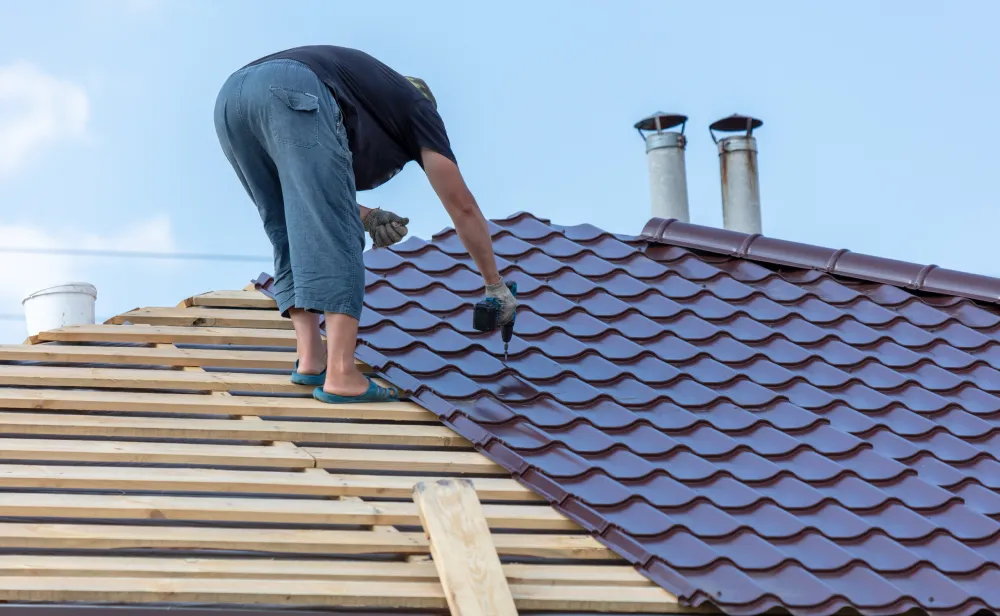
A strong top covering protects walls, rooms, structure from rain, heat, and wind. Over time, materials weaken, and small faults slowly grow into serious trouble. Many owners ignore early warnings because damage often appears minor. Later repair costs become much higher. Learning early warning signals helps prevent deeper structural trouble. Timely inspection supports safer living conditions for families. Modern building guidance also recommends regular exterior checks because climate patterns create stronger storms today. When warning signals appear, calling a trusted expert becomes necessary. If clear damage indicators appear, search guidance such as go here to understand when full replacement becomes the smarter choice.
Early Surface Wear Indicators
Surface layers slowly weaken after long exposure to sunlight, rain, and wind pressure. Curled pieces, cracks, and rough patches often signal aging materials. Visible wear usually means the protective barrier no longer performs properly.
Interior Moisture Warning Marks
Moisture marks on ceilings, dark spots near upper walls, and peeling paint show hidden water entry. Continuous dampness inside the upper sections usually indicates outer covering failure needing immediate inspection.
Visible Structural Shape Changes
Uneven lines across the top structure signal deeper weakness below the materials. Bending sections may appear slowly. Structural movement suggests trapped moisture damage affecting the wood support layers underneath.
Rising Indoor Temperature Issues
A weak outer covering loses insulation ability. Heat easily enters upper rooms during warm seasons. Poor thermal control increases indoor discomfort while raising energy use.
Loose Materials After Storms
High wind events often expose weak installation areas. If pieces detach easily during storms, structural holding strength has likely reduced significantly across the entire surface.
Maintenance Signals Property Owners
Regular inspection helps detect damage early. The following indicators often appear before full replacement becomes necessary. Watch for these warning patterns carefully.
- Small leaks are forming repeatedly after rainfall despite repairs, showing protective layer failure across several sections above interior ceilings.
- Shingle pieces lifting upward during moderate wind pressure, revealing fastening weakness within the structural layer beneath the surface covering.
Timely action protects the structure from severe deterioration. Ignoring visible warnings allows moisture to spread, which weakens internal beams. Careful monitoring of surface condition, attic space, and indoor ceilings helps detect problems early. When deterioration becomes widespread, repair attempts rarely deliver lasting safety. Acting quickly saves long-term expenses while improving structural strength. Property owners who notice repeated damage patterns should explore trusted guidance sources, such as go here, to plan effective upgrades.
FAQs
How often should roof inspections happen?
Experts recommend checking exterior covering twice yearly after severe storms, ensuring early detection of damage before structural weakening begins.
What causes faster material deterioration?
Constant sun exposure, trapped moisture, poor ventilation, and strong winds accelerate the aging of protective layers across upper building surfaces.

Comments are closed.