Category

Business

Category

In order to keep your restaurant running smoothly, it’s important to have a well-organised and efficient kitchen. This starts with using a kitchen point-of-sale system.

A point-of-sale system can help you keep track of your inventory, streamline your ordering process, and ensure that your kitchen runs like a well-oiled machine. But that’s not all – a point-of-sale system can also be used to motivate your staff.

Here are seven ways to use a kitchen pos system  to motivate your staff:

Set goals and track progress.

One of the best ways to use a point-of-sale system to motivate your staff is to set goals and track progress. This can be as simple as setting a goal for the number of orders that need to be completed each shift and tracking how close the staff is to meeting that goal.

You can also set more specific goals, such as completing a certain number of orders in a given amount of time or preparing a certain number of dishes per hour. By tracking progress, you can ensure that your staff is constantly striving to improve their performance.

Offer rewards for good performance.

Another great way to use a point-of-sale system to motivate your staff is to offer rewards for good performance. This could include rewarding employees with bonuses or giving them free meals or days off.

You could also give employees special privileges, such as allowing them to work shorter shifts or choosing their own work hours. Whatever rewards you choose, make sure they are meaningful and motivating for your staff members.

Display leaderboards.

A great way to encourage competition among your staff is to display leaderboards. Leaderboards can be used to track various aspects of performance, such as the number of orders completed or the time it took to complete an order. This encourages employees to try and beat their own personal bests – and hopefully everyone else’s as well!

Use colour coding.

One way to make it easy for your staff to see how they are performing is by using colour coding. For example, you could assign different colours to different tasks, such as red for orders that are behind schedule, green for orders that have been completed on time, and yellow for orders that need attention but have not yet been started.

This makes it easy for staff members to see at a glance how they are performing and encourages them to stay on top of their work.

Streamline communication.

A kitchen pos system can also be used to streamline communication between staff members, especially if you have multiple locations or multiple people working in the same kitchen.

By having a central system that everyone can access, staff members have a better understanding of what is going on in the kitchen and can more easily coordinate to get things done.

Automate orders.

Another great way to use a point-of-sale system to motivate your staff is by automating orders. This allows you to quickly process orders and eliminates any potential mistakes that could occur during manual order entry.

Automation also helps to speed up the ordering process, which in turn motivates staff to work more efficiently.

Monitor food safety.

Finally, a kitchen point-of-sale system can be used to monitor food safety and make sure that your restaurant is compliant with all applicable laws and regulations. This is important not only for the safety of your customers but also for the motivation of your staff.

If they know that all food is being prepared safely and correctly, they will be more likely to take their job seriously and work hard to ensure everything is up to code.

Takeaway

By utilising a kitchen point-of-sale system, you can better motivate your staff and ensure that your restaurant runs as efficiently and safely as possible.

Whether you’re setting goals, offering rewards, or monitoring food safety standards, having a central system will make it easier to manage all aspects of your business. And that can lead to happier staff members – and more successful restaurant operations!


Custom rubber parts play a crucial role in the functioning of various industries, from automotive and aerospace to medical devices and consumer goods. Selecting the proper custom rubber parts manufacturer is essential to ensure the quality and reliability of these parts. This article will discuss choosing the proper custom rubber parts manufacturing service for your needs.

Evaluate their Expertise and Experience

The first step in selecting the proper custom rubber parts manufacturer is to evaluate their expertise and experience. Look for manufacturers with extensive experience producing custom rubber parts for your industry or application. The manufacturer should deeply understand the materials and processes involved in rubber parts manufacturing and can provide guidance and recommendations on design and material selection. Consider asking for references or case studies from past projects to gauge their expertise and experience.

Assess their Capabilities and Equipment

The custom rubber parts manufacturer’s capabilities and equipment are crucial factors. Ensure the manufacturer has the right equipment, technologies, and expertise to produce rubber parts. The manufacturer should be able to handle the size, complexity, and volume of the rubber parts required for your application. Additionally, they should be able to produce high-quality and consistent rubber parts that meet your specifications.

Check their Quality Assurance Processes

The quality of custom rubber parts is critical to ensure the reliability and performance of your products. Check the custom rubber parts manufacturer’s quality assurance processes to ensure that they have robust systems to ensure quality and consistency. Look for manufacturers implementing ISO or other quality management systems to ensure they adhere to stringent quality standards.

Consider their Customer Service and Support

The custom rubber parts manufacturer should provide excellent customer service and support. They should be responsive to your inquiries, offer technical assistance and support throughout the manufacturing process, and provide prompt delivery of the finished products. Look for manufacturers with a reputation for excellent customer service and support, as this can save you time and money and reduce the risk of errors or delays.

Evaluate their Cost-effectiveness

Custom rubber parts manufacturing cost is an essential consideration for any business. However, choosing the manufacturer with the lowest price is only sometimes wise. Instead, evaluate the manufacturer’s cost-effectiveness by considering their expertise, equipment, quality assurance processes, and customer service. A manufacturer that offers high-quality and consistent products, excellent customer service, and technical support may be more cost-effective in the long run, even if their prices are slightly higher.

Consider their Environmental Responsibility

In today’s world, environmental responsibility is critical for many businesses and consumers. When choosing a custom rubber parts manufacturer, consider their commitment to sustainable and eco-friendly practices. Look for manufacturers that use environmentally friendly materials and production methods and have implemented green initiatives, such as recycling and waste reduction programs. Working with an environmentally responsible manufacturer can help reduce your carbon footprint and demonstrate your commitment to sustainability to your customers and stakeholders.

Conclusion

Selecting the proper custom rubber parts manufacturer is a critical decision that can impact the quality and reliability of your products. It is essential to evaluate their expertise and experience, assess their capabilities and equipment, check their quality assurance processes, consider their customer service and support, and evaluate their cost-effectiveness. Working with a manufacturer with the knowledge, expertise, and equipment necessary to produce high-quality and customized rubber parts that meet your unique needs and specifications is essential. By doing so, you can be confident in your custom rubber parts’ quality and reliability and succeed in your industry.

There is a new type of plastic card that has become quite popular nowadays — reloadable prepaid cards. Although most plastic cards function more or less the same way, reloadable prepaid cards are considered in a league all their own. Aside from offering cashless and convenient transactions, they offer so much more.

Statistics indicate that more and more people are starting to use reloadable prepaid cards, thanks to the peerless ease and convenience they offer. As proof of its massive popularity, a whopping $40.85 billion was loaded onto reloadable prepaid cards. And this was in 2010 alone!

Undoubtedly, this shows the massive popularity and clout of reloadable prepaid cards. What’s even more impressive? They are very straightforward and easy to use. Not only that, they also offer varied loading options including direct deposits, bank transfers, and secure online portals.

If you are considering getting a reloadable prepaid card, here are all the basics you need to know:

You will only be required to provide basic information.

When applying for a debit or credit card, you will be subjected to a stressful, time-consuming, and tedious screening and application process. Not only that, you will also be required to submit financial documents and personal information. With a reloadable prepaid card, you won’t have to go through all those.

The provider won’t also consider your credit standing before you can obtain a reloadable prepaid card. If you want to protect your financial and personal information, getting a reloadable prepaid card is the recommended route. You will only be asked to provide just basic information like your name, address, and contact number.

There will be different fees for transactions.

When using a reloadable prepaid card (or any plastic card), it is crucial that you are well aware of all the corresponding fees for each transaction. From purchase transactions to withdrawals, to balance inquiries, there will be corresponding deductions to each of them. You need to know how much so you won’t be surprised.

It is also important so you will know where every cent goes. Fortunately, while prepaid card providers charge fees for most transactions done using the card, they are very minimal compared to what the other conventional cards ask for. Credit cards for example are notorious for the over-the-roof charges and fees they ask.

You have several customer service options.

Users of reloadable prepaid cards are often glad to know that most providers have different customer care options for them. This is important so they can pick the option that’s most convenient for them. Often, call and email channels are available so users can share their questions, concerns, and issues.

You can avail of special freebies and perks.

To entice new prospects, many prepaid card providers offer special discounts, perks, and freebies. Some of the benefits are quite similar to the ones provided by established plastic cards like debit and credit cards.

Providing a 90-day protection for broken, stolen, or lost items is one of the most prevalent perks offered by reloadable prepaid cards. Others also offer legal aids, travel security, and discounts on popular brands.

You can get consumer protection.

Those who are not qualified to get credit or debit cards would be happy to know they can always opt for reloadable prepaid cards and enjoy some of the consumer protection they provide.

Of course, the consumer protection offered by reloadable prepaid cards won’t be as comprehensive or enticing as that of other conventional plastic cards. However, it is still enticing as you won’t be paying much for reloadable prepaid cards.

Small businesses have a lot on their plate. They need to worry about finding new customers, ensuring that their current customers are happy, and making sure that their employees are productive. One area that is often overlooked by small businesses is IT support.

Most small businesses don’t have an in-house IT team, which means that they have to rely on their employees to troubleshoot any issues that they may have with their computers or software. This can lead to a lot of wasted time and lost productivity.

Investing in IT support in Yorkshire for your employees can help to prevent these problems. IT support can help to resolve issues quickly and efficiently, and it can also help to train your employees on how to use new software or hardware.

The importance of IT support for small businesses

IT support for small businesses can’t be understated. It can help to keep your employees productive, and it can also help to keep your customers happy. If you’re not sure whether or not IT support is right for your business, consider the following benefits:

1. IT support can save you time and money.

If you don’t have an in-house IT team, then you’re likely spending a lot of time and money troubleshooting issues yourself. With IT support, you can get help from a team of experts who can resolve issues quickly and efficiently. This can free up your time so that you can focus on other aspects of your business.

2. It can help to prevent problems from happening in the first place.

IT support can help to train your employees on how to use new software or hardware. This can help to prevent problems before they even start. Additionally, IT support can help you to keep your systems updated and running smoothly.

3. IT support can help you to grow your business.

As your business grows, your IT needs will grow with it. IT support can help you to expand your network and add new users. Additionally, IT support can help you to implement new technology as your business grows.

4. Gives you peace of mind.

Running a small business is stressful enough without having to worry about IT issues. With IT support, you can have peace of mind knowing that there’s someone you can rely on to help you with any IT problems you may have.

If you’re still not convinced that IT support is right for your small business, consider the cost of not having it. The cost of lost productivity, downtime and unhappy customers can quickly outweigh the cost of IT support. It is an important investment for any small business.

Are you debating whether or not to invest in a point-of-sale (POS) system for your business? It’s a decision that many small business owners face, and it’s not always an easy one. On the one hand, POS systems can be expensive, and they require an up-front investment. On the other hand, a Pos system can offer a number of advantages and benefits for your business.

So, what’s the verdict? Is a POS system really worth the investment for your business? Here are seven reasons to consider

A POS system can save you time.

If you’re still using a manual cash register or an older, outdated POS system, you know how time-consuming it can be to ring up sales and track inventory. A modern POS system can automate many of these tasks, saving you valuable time in the long run.

A POS system can help you track inventory.

If you don’t have a good system for tracking inventory, it’s easy for things to get lost in the shuffle. With a POS system, you can keep better track of your inventory levels, so you always know what’s in stock and what needs to be ordered. This can help you avoid costly overages or stock-outs.

A POS system can give you insights into your business.

POS systems can generate a variety of reports that can give you valuable insights into your business. For example, you can see which products are selling well and which ones aren’t, where your sales are coming from, and more. This information can help you make better decisions about your business.

A POS system can make it easier to accept credit cards.

If you’re still using a manual cash register, you’re probably losing sales from customers who want to pay with a credit or debit card. A POS system can make it easy to accept credit and debit cards, which can help you boost your sales.

A POS system can make it easier to manage your employees.

If you have a lot of employees, keeping track of their hours and sales can be a challenge. With a POS system, you can easily see who’s working when and how much they’re selling. This information can be helpful for managing your staff and making sure they’re productive.

A POS system can help you keep your customers happy.

If you’re using an older POS system, it’s likely that your customers are having to wait in line longer than they should. A modern POS system can help speed up the checkout process, which can keep your customers happy and coming back for more.

A POS system can save you money in the long run.

While a POS system does require an up-front investment, it can save you money in the long run. For example, if you’re able to streamline your inventory management with a POS system, you can avoid costly stock-outs. And, if you’re able to track your employee productivity with a POS system, you may be able to save on labor costs.

A POS system will give you access to advanced features.

As technology continues to evolve, POS systems are becoming more advanced, offering new features that can benefit your business. For example, some newer POS systems offer cloud-based storage, mobile compatibility, and integration with other business software.

A POS system is a future-proof investment.

A POS system is a long-term investment that can help you grow your business. As your business expands, you can upgrade your POS system to accommodate your needs. Additionally, a POS system can be used for multiple businesses, so it is a wise investment if you

Takeaway

In the end, whether or not a POS system is worth the investment for your business depends on your specific needs and situation. But, if you’re looking for a way to save time, money, and headaches, a POS system is definitely worth considering.

Construction sites are loud places. The sound of drills, saws, hammers, and other equipment can be jarring and overwhelming. For people who live or work near construction sites, the noise can be a real nuisance. But did you know that construction noise can also be dangerous? That’s why it’s so important for construction site managers to erect noise barriers.

The Dangers of Construction Noise

Construction noise has been linked to hearing loss, tinnitus, and insomnia, among other things. It can also lead to anxiety and depression. In extreme cases, it can even cause death.

So, if you’re finding it hard to get a good night’s sleep or you’re starting to notice a ringing in your ears, construction noise might be to blame. Of course, it’s not always possible to avoid construction noise entirely.

While most people are aware of the risks associated with being exposed to loud noises, they may not realise just how loud construction noise can be. On average, construction noise levels range from 80-120 decibels (dB).

To put that into perspective, a normal conversation is about 60 dB. At 85 dB, exposure to construction noise for more than eight hours can begin to damage your hearing. And at 115 dB, exposure for more than 15 minutes can cause permanent hearing loss.

Noise Barriers Can Make a World of Difference

Fortunately, there are things that construction site managers can do to protect workers and nearby residents from the dangers of construction noise. One of the most effective solutions is to erect noise barriers in construction sites. Also known as sound barriers or acoustical barriers, these structures are designed to reflect or absorb sound waves, thereby reducing the amount of noise that passes through them.

There are two main types of noise barriers: solid and porous. Solid barriers are made from materials like concrete, metal, or brick, while porous barriers are made from materials like fiberglass or cellulose fibre. Both types of barriers are effective at reducing noise levels, but solid barriers tend to be more expensive and require more maintenance than porous barriers.

Porous barriers are also more aesthetically pleasing than solid barriers and offer some environmental benefits as well. Because they allow air and water to pass through them, they can help improve air quality and reduce stormwater runoff.

In a nutshell

If you’ve ever driven by a construction site, you know how noisy it can be. The sound of jackhammers, drills, and other equipment can be deafening. And it’s not just the noise that can be a problem. Construction sites are often filled with dust, debris, and other airborne particles that can be harmful to your health. That’s why noise barriers are essential.

They help to reduce the amount of noise and particulates that escape from the construction site, making it safer for both workers and nearby residents. In addition, noise barriers in construction sites can also help to improve the quality of life for those who live near construction sites.

By reducing the amount of noise pollution, they make it easier for people to get a good night’s sleep and enjoy their leisure time without being constantly bombarded by construction noise. As a result, noise barriers play an important role in protecting both worker safety and the quality of life for those who live nearby.

If you’re responsible for maintaining a fleet of ships, then you know how important it is to keep them in good working order. After all, ships are expensive investments, and if they’re not well-maintained, they can quickly become liabilities.

One area of ship maintenance that is often overlooked is marine engineering. It is the branch of engineering that deals with the design, construction, and operation of ships and other marine vessels.

While the physical maintenance of a vessel is important, it is only one part of the equation. If a ship’s systems and machinery are not well-maintained, it can lead to serious problems. That’s why marine engineering is such an important part of ship maintenance.

Marine Service Engineers

Marine engineers are responsible for maintaining a ship’s propulsion system, electrical system, and other vital systems. They also oversee the construction and repair of a ship’s hull and superstructure. In short, marine engineers are responsible for keeping a ship running smoothly.

While most people think of marine engineering as purely mechanical, it is actually a very complex and multi-faceted field. Marine engineers must have a strong understanding of Physics, Mathematics, and Materials Science in order to design efficient and safe ship systems. They must also be able to effectively communicate with other members of a ship’s crew, as well as with the ship’s owners and operators.

There are other critical reasons why marine engineering  is vital in ship maintenance, and in maritime industry in general.

Marine engineering is essential for ship performance.

The engine room is the heart of any ship, and marine engineers are responsible for making sure that the engines and other systems are running smoothly. Without marine engineering, ships would be unable to move and would quickly become unusable.

Marine engineering keeps ships safe.

Safety is always a top priority when it comes to ships, and marine engineers play a vital role in ensuring that ships are safe. Marine Service and maintenance ensures the systems in the ships are stable and secure. The engineers are also responsible for making sure that no potential problems could jeopardize the safety of a ship and its crew.

Marine engineering is necessary for environmental protection.

Ships have a huge impact on the environment, and marine engineers are working to make sure that they are as eco-friendly as possible. They develop new technologies to help reduce emissions and pollution, and they are always looking for ways to improve the efficiency of ship engines.

Marine engineering is important for economic development.

The shipping industry is a vital part of the global economy, and marine engineering is essential for keeping it running smoothly. Marine engineers develop new technologies that make ships faster, more efficient, and more cost-effective, and they are always looking for ways to improve the shipping industry as a whole.

Given the importance of marine engineering, it is clear that shipowners and operators must give it the attention it deserves. Those who do so will find that their vessels are better able to withstand the rigors of the sea and will enjoy greater long-term reliability and cost-effectiveness.

Social media has a great potential to reveal clinical trial issues, address enrollment barriers, and engage patient groups necessary in clinical research. CROs like Veristat and clinical trial leaders use it to engage patients and increase participation and retention. This article unearths the easiest methods to leverage social media in trial planning. You will discover little-known ways of using social media to increase patient participation and retention in your trial.

Use social media to recruit clinical trial patients

Social media is a gold mine for clinical trials to source eligible patients. You can advertise your research without spamming people who are not interested, making social media more effective than using mass mailing. Additionally, social media has over 4 billion people using it today and the number is expected to reach six billion in 2027. This provides a large pool of potential patients you can target and recruit when doing your clinical trial planning. Advertise your clinical trial on a social platform where your target patient population congregates. Facebook is one of the most effective platforms to recruit patients as it is the world’s largest social media site. our social ads should be compelling and include contact information people can use to reach you. When potential participants reach out, use screening questions to determine if they are eligible for the trial.

Leverage online patient communities on social media

An online patient community is a networked advocacy and support group you can leverage to increase patient participation and engagement in your trial. You can answer health questions in the community to establish your organization as an expert and engage with a patient population. You can also share links to your clinical trials where interested patients can enroll. An online community for patients with Spontaneous Coronary Artery Dissection (SCAD) resulted in the members suggesting a clinical study to a Mayo Clinic cardiologist. The cardiologist listened and engaged with the rare patient population. This patient-researcher engagement and collaboration could work for your trial as well. Online patient communities include Facebook patient groups where people meet to learn about each other’s experiences with the disease. It could also be specialized forums like PatientsLikeMe and Smart Patients.

Use social media to educate and initiate meaningful discussions

Educating a patient population on social media can help you overcome common barriers in clinical trials. For example, today’s clinical trial participants are empowered, engaged, equipped, and enabled by the raging river of information on the internet. They want to learn more to make informed decisions before enrolling in clinical trials. The aim is to initiate a conversation among potential participants that leads to engaging discussions you can use to optimize your clinical trial design. On top of that, use social media to educate patients about the importance of new clinical trials. In your social posts, use common hashtags that patients are likely to use when searching for the content you are sharing. For example, a pharmaceutical company targeting myeloma patients can use #mmsm tags on its social posts. A clinical trial that targets breast cancer patients can use #bcsm on their education posts on social media.

Using social media for more effective trials is easy. What’s more, researchers can use it to educate, engage, and recruit eligible patients. Thus, ensuring the successful completion of clinical trials.

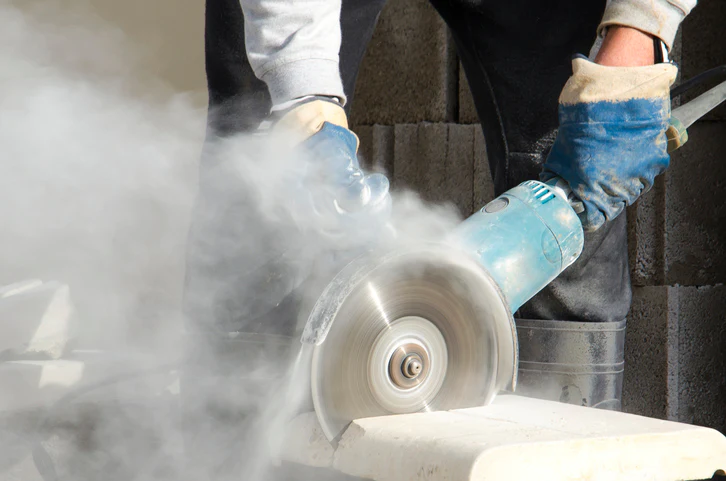
Construction dust isn’t just a nuisance but a serious health hazard to construction workers. As such, continuous exposure to high construction dust levels causes life-threatening diseases like Chronic Obstructive Pulmonary Disease (COPD), silicosis, asthma, and lung cancer. In the worst situations, these diseases cause early death or permanent disability. Statistics reveal that over 500 construction workers lose their lives because of exposure to silica dust yearly. Now the big question is, what can you do to reduce dust exposure for construction workers on your site? Robust dust control solutions like those from BossTek and the following techniques will help you fight construction dust and protect workers.

Use personal protective equipment

Equip your workers with personal protective equipment (PPE) to limit dust exposure. Ensure they have proper training on how to use it for maximum protection. For example, dust masks and filtering respirators can offer additional protection from inhaling harmful dust particles. According to the National Institute for Occupational Safety and Health (NIOSH), half-face respirators with N95 filters or better effectively reduce exposure to airborne dust like crystalline silica. On top of face masks and respirators, workers should wear safety goggles when working in a dust-filled atmosphere. These goggles act like a seal around the eyes that prevents dust entry, which may cause eye irritation.

Leverage water-based dust control

Water trucks, hoses, and sprinklers help prevent dust from becoming airborne through wet suppression. Use them to wet dust-filled surfaces like open fields and on-site bare roads. As a result, the particles will get damp and heavy, disabling them from escaping into the air. But if you deal with high-level dust emissions, like demolition dust, you’ll need misting or fogging cannons, which are more powerful than water trucks, hoses, and sprinklers. These systems have an advanced technology that uses water sparingly and is super effective in dropping down giant clouds of airborne dust particles. Misting cannons leverage powerful fans, advanced nozzles, and pumps to turn water into fine droplets that can arrest nearly every type and size of dust particles without causing the slipstream effect. These systems are suitable for outdoor applications. Depending on where you’ll buy, they may be available for rent if your dust problem is temporary.

Implement chemical dust suppression

Apart from PPEs and water-based dust control techniques, you can use chemical dust suppressants on your construction site. However, the effectiveness of chemical suppressants depends on factors like application method, surface moisture content, and construction site precipitation. For example, you apply calcium chloride directly on the surface, where it absorbs moisture from the atmosphere and binds dust particles together to prevent them from building up in the air. This chemical works best in wet seasons when the atmosphere’s humidity level is high. On the other hand, other chemicals must be mixed with water and used with water-based dust suppression techniques (like using sprinklers, water trucks, and misting cannons). Such chemicals increase the power of water to bind dust particles together.

Dust exposure is a significant health concern for construction workers. In the worst scenarios, it is potentially life-threatening and can cause permanent disability. Ensure you implement concrete dust control solutions to avoid these ugly consequences.

If you own a laundromat, then you know that there are numerous factors to consider, going beyond commercial laundry parts from Laundry Replacement Parts! Not only do you need to think of the equipment, staffing, and profit you’ll make, among others, but the physical store as well.

After all, it is your store that can make or break customer satisfaction. If you entered a dirty or rundown establishment, would you choose to do business or even head inside? Definitely not.

That’s why it’s important to think about how to improve your physical store to rake in customers and revenue, too. Here are a few tips you can follow.

  1. Consider adding television and WiFi

Customers will be waiting for an hour or so for their laundry to finish, which is why you’ll want to add seating and a television to keep them comfortable and entertained. It’s a good way to pass the time as they wait for their laundry, especially when you provide a streaming service or cable for customers to channel surf.

Moreover, you may also want to consider adding WiFi to your facility. With up to 70% of Americans having smartphones, they are likely to be surfing the net as they wait for their laundry, too. WiFi will attract customers and set the business apart from the rest. Statistics also show the success of the internet, as 96% of customers prefer businesses with free WiFi.

  1. Remember the kids!

Most laundromat customers are likely women with families, so you can expect children to accompany their parents when doing the laundry. So, don’t just think about the adults when designing your space, but the kids as well.

You may want to consider adding a special area where kids can keep occupied, like a play area with toys, games, play mats, and the like. A little area for the kiddos gives time for parents to do their laundry, increasing customer service and loyalty.

  1. Let the style exude

Doing laundry is seen as such a chore, but this doesn’t mean the laundromat has to look boring and bland. You can elevate your physical store by adding some décor and style to it.

Even something as simple as repainting the walls can play a huge role in influencing your customers’ mood and opinion of the business. Also consider adding another décor like colorful murals, bold artwork, or design the store focusing on a creative theme. This can attract many customers and have them share photos of the space online, which is a great way to spread the word about your laundromat. Win-win!

  1. Go for high-quality laundry equipment

And of course, we don’t want to forget that your physical store won’t have as much success if the equipment and dexter laundry parts aren’t of high quality. That’s why you should consider upgrading your machines or giving them good cleaning and maintenance regularly.

Wrapping It Up

Giving your laundromat a bit of a makeover? Remember the tips above!