Category

Business

Category

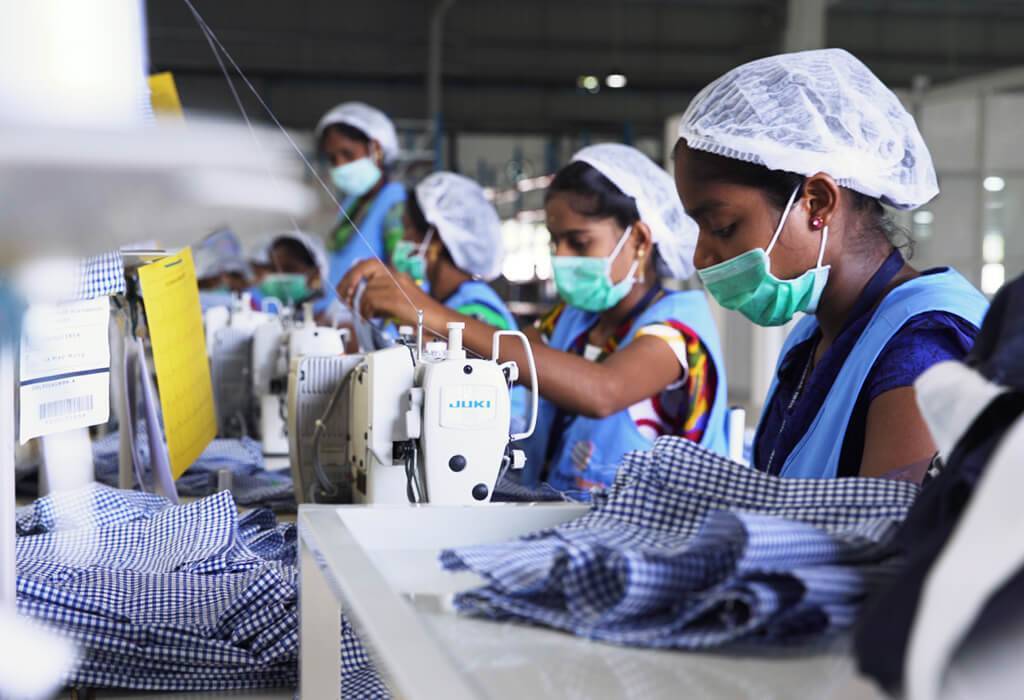
The clothing manufacturing industry is an elaborate and complex industry that provides numerous services and potential abilities from numerous manufacturers. Clothing manufacturers are key in the marketplace in terms of bringing fashion and apparel to the market through design and pattern making, production, and logistics.

The diverse services provided by clothing manufacturers

Design and pattern making

Many clothing manufacturers provide full design and pattern making services. Clients work closely with their in house skilled designers and technicians to translate their creative visions into tangible garment designs. The responsibility includes developing custom patterns, drafting technical specifications, and building prototypes for the final product to match desired aesthetic and functional requirements.

Fabric selection and sourcing

Fashion is one part of clothing production together with fabric choice and acquisition of quality fabric. Suppliers of textiles have long partnerships with manufacturers, thus they are able to obtain virtually any sort of various kinds of materials, including natural and advanced synthetic ones. They can help clients pick the right fabrics for their lines, taking into consideration texture, color, and performance characteristics.

Sample creation and fit testing

The clothing manufacturers offer sample creation and fit testing so that the client knows the final garments are made according to the client’s exact needs. The process entails making initial samples, making fit adjustments, and refining the design to get a designed fit, silhouette, and aesthetic. The iterative process allows you to minimize the risk of problems in large scale production.

Production and quality control

Clothing manufacturers produce garments at scale at their core function. Highly skilled workers and rigorous quality control procedures are utilized to ensure the same high quality products are produced consistently. It covers cutting, sewing, finishing, or wrapping the garments to suit the client’s demand agreed between him and the tailor.

Inventory management and logistics

Secretary of clothing manufacturers sometimes provide complete stock administration and logistics services to bolster their clients’ supply chain necessities. It embraces storage of the finished products, picking and dispatch to the right place at the right time. They may also offer just in time production and stock up services to producers to guarantee maximum efficiency while minimizing waste.

Sustainability and social responsibility

As there emerged new consumer needs for sustainability and responsibility of clothing products, an increased number of clothing firms have initiated green practices in their undertakings. These could include the use of eco friendly materials, environmentally friendly manufacturing methods, and fair labor criteria for a full supply chain.

Technological innovations

Fashion apparel makers are willing and ready to spend more to get the best technology that will add value to the organizations. It entails the application of computer aided design and project management, the automation of the production floor, and the integration of statistical analysis in decision making to enable them to adapt to market conditions faster.

Customization and personalization

Some clothing manufacturers offer customization and personalization services to suit clients’ preferences and needs. These services include making garments to measure, custom embroidery or printing, and modifying existing designs to meet particular needs.

Conclusion

The fashion and apparel industry relies on clothing manufacturers. They provide a number of services according to the nature and needs of their customers as they may change with time. Companies in the clothing manufacturing business that have been offering capital towards technology enhancement, sustainability, and customer solutions.

Dust suppression is essential across many industries, from construction to mining to manufacturing. The right dust suppression equipment not only ensures compliance with health and safety regulations but also protects employees from respiratory hazards, improves air quality, and reduces maintenance needs for machinery. With a wide range of equipment available on resources like bosstek.com, selecting the right system for your needs can seem overwhelming. This article highlights key factors to consider when choosing dust suppression equipment.

Assessing your dust suppression requirements

The first step in selecting dust suppression equipment is to evaluate the type of dust generated, the specific needs of your operation, and the work environment. Consider the source of the dust, whether it’s from grinding, cutting, drilling, or moving heavy materials. Additionally, think about where the dust is being generated, as equipment suitable for indoor environments may not work well in open outdoor areas. Understanding the characteristics of your dust (such as particle size and composition) will also help determine which type of suppression system will be most effective.

Dust Suppression Equipment

Wet suppression equipment: Water Sprays and Misting Systems

Water-based systems are among the most commonly used dust suppression solutions, and they’re highly effective for industries producing large amounts of dust in outdoor settings. Water sprays and misting systems are available in various forms, including spray nozzles, sprinkler systems, and portable misting fans. Misting systems are ideal for situations where finer dust particles need to be controlled, as they use smaller droplets to capture these particles more effectively. Sprinkler systems are useful for covering larger areas, making them popular in industries like construction and mining. However, if your site is in a cold climate where water might freeze, wet suppression systems may present challenges.

Dry suppression equipment: Filtration and Vacuum Systems

Dry dust suppression equipment includes filtration systems like baghouses, cyclones, and vacuums. These are most suitable for indoor operations or settings where water is not practical. Baghouses and cyclones use a series of filters to capture dust particles, preventing them from being released into the air. This method is highly effective for industries dealing with fine, hazardous, or combustible dust, such as woodworking, metalworking, and manufacturing. Portable vacuum systems can be used to clean dust from specific areas or machinery, offering flexibility for smaller sites or varied work areas.

Hybrid systems for versatile dust control

Some businesses benefit from hybrid dust suppression systems that combine wet and dry methods. This approach is suitable for industries that need a flexible solution capable of handling both indoor and outdoor environments or different types of dust. Hybrid systems can include a combination of misting and filtration, allowing for targeted dust control in high-dust areas and effective containment in moisture-sensitive zones. Hybrid systems offer more comprehensive coverage and are often customizable to suit specific applications within a facility. However, they require careful integration to ensure that both wet and dry methods complement each other effectively.

Portability and ease of maintenance

For operations where dust sources may change or require frequent movement, portable dust suppression equipment is a practical choice. Options like portable vacuums, and compact spray systems provide the flexibility to address dust in various locations. This can be particularly beneficial for smaller businesses or job sites that require temporary dust suppression measures. Maintenance is also an essential consideration. Some systems, like water-based misting setups, only require regular cleaning, while more complex dry filtration systems need filter replacements and occasional repairs. Choosing low-maintenance equipment that aligns with your operational capacity ensures that dust control remains reliable and efficient over time.

Selecting the right dust suppression equipment involves considering factors such as dust type, work environment, and budget. By carefully evaluating the above-mentioned factors, you can choose a dust suppression system that aligns with your needs, ensuring a safer and more compliant workplace.

In today’s rapidly evolving healthcare landscape, the need for specialized hospital security system has never been more critical. As hospitals become increasingly complex, safeguarding patients, staff, and sensitive information is paramount. These systems are designed not only to protect against external threats but also to manage internal risks, ensuring a secure environment where medical professionals can focus on delivering quality care.

Advanced security technologies, such as access control systems, video surveillance, and emergency communication tools, play a vital role in maintaining hospital safety. By integrating these solutions, healthcare facilities can mitigate potential dangers and respond swiftly to any incidents. As the demand for enhanced security measures grows, hospitals must adapt and invest in cutting-edge systems to protect their most valuable assets: their patients and staff.

Unique Security Challenges in Hospitals

Hospitals face distinct security challenges that differ from other environments. These challenges arise from the need to protect patients, staff, sensitive information, and expensive medical equipment. Hospitals are busy centers that operate 24/7, which increases the likelihood of unauthorized access and potential threats. The layout of healthcare facilities, including emergency rooms and psychiatric wards, can complicate security efforts requiring specialized hospital security systems.

The privacy of patient data represents another critical concern. Healthcare facilities must adhere to regulations like HIPAA, ensuring all personal health information remains confidential. Security systems in hospitals prevent data breaches, protecting both digital and physical records. Additionally, theft of medical equipment poses a significant risk, as this equipment often has high value and is crucial for patient care.

Violence in healthcare settings, whether from patients or visitors, also presents a challenge. Hospital staff may encounter aggressive behavior, necessitating security measures to ensure a safe working environment. Hospitals implement security strategies, such as Forbel Chicago’s solutions, to mitigate these risks and ensure a secure atmosphere for all.

Essential Components of a Hospital Security System

A comprehensive hospital security system integrates various components to address specific security needs. Access control, surveillance, and emergency communication are among the core elements ensuring a secure healthcare environment.

Access Control
Access control systems restrict entry to sensitive areas. By using keycards or biometric scanners, hospitals manage who enters specific zones, safeguarding against unauthorized access. These systems adapt to evolving security requirements by proving efficient in both legacy and modern facilities.

Video Surveillance
Video surveillance plays a critical role in monitoring hospital premises. High-definition cameras and real-time video analytics aid in detecting suspicious activities, thereby enhancing safety. Security personnel can quickly respond to incidents by reviewing camera footage, ensuring timely intervention.

Emergency Communication
Emergency communication systems provide immediate alerts in crisis situations. Hospitals utilize PA systems and instant messaging tools to inform staff and guide evacuations during emergencies accurately. These systems ensure that vital information reaches everyone promptly, mitigating risks and maintaining order.

Intrusion Detection
Intrusion detection systems protect against unauthorized entries or breaches through advanced motion sensors and alarms. When unauthorized access attempts occur, these systems trigger alarms and notify security teams, averting potential threats swiftly.

Visitor Management
Visitor management systems oversee and document hospital visitors. By registering visitor details upon arrival, hospitals maintain an accurate record of individuals on-premises, improving accountability. This component enhances overall security by aligning visitor tracking with broader safety protocols.

Staff Identification
Implementing staff identification measures, like ID badges, simplifies security management. These badges, equipped with RFID technology, ensure that only authorized personnel access restricted areas. This measure strengthens internal security and helps identify staff during an emergency.

Robust hospital security systems leverage these components to create a safe environment for patients and staff. Whether in forbel chicago projects or other implementations, their integration offers tailored solutions addressing unique hospital challenges.

How Tailored Security Solutions Protect Patients and Staff

Tailored security solutions play a crucial role in safeguarding patients and staff in healthcare environments. Hospital security systems adapt to the specific requirements of each facility, considering factors such as layout and patient flow. These specialized systems ensure a secure atmosphere through a combination of technologies and strategies.

  • Access Control: Customized access control systems manage entry to sensitive areas like operating rooms and data centers. By employing keycards, biometric identifiers, or other secure entry methods, these systems limit access to authorized personnel only.
  • Video Surveillance: Advanced video surveillance is a critical component of hospital security. High-definition cameras with real-time analytics monitor critical areas, detect suspicious activity, and provide evidence in case of incidents.
  • Emergency Communication: Tailored emergency communication tools enhance responsiveness during crises. Systems integrate with hospital networks to deliver immediate alerts, enabling swift actions and coordination among staff members.
  • Visitor Management: Efficient visitor management systems keep track of all individuals entering the hospital. By documenting entry and exit, these systems assist in locating visitors during emergencies and maintaining a secure environment.
  • Intrusion Detection: Intrusion detection systems protect against unauthorized access. By using sensors and alarms, hospitals deter potential threats and respond swiftly to breaches.

Incorporating these elements within a hospital security system ensures comprehensive protection. Tailored solutions consider unique aspects of each healthcare facility, ensuring that both patients and staff experience a safe and secure environment.

The Role of Access Control in Healthcare Security

Access control systems form the backbone of a secure hospital environment, managing who enters different areas of the facility. These systems use key cards, biometric scanners, and PIN codes to restrict access to sensitive zones, such as operating rooms and data centers. Access credentials ensure that only authorized personnel have entry, reducing the risk of breaches.

Integration with a hospital security system enhances overall safety by aligning with other components like video surveillance. For example, access control can trigger cameras to record when a door opens, providing a visual record of access events. These integrated solutions strengthen both security and accountability.

Flexibility suits diverse healthcare environments, especially those in complex urban areas like Chicago. Forbel Chicago, a leader in hospital security solutions, exemplifies how adaptable systems can meet specific healthcare needs while maintaining high standards. Access control systems also support compliance with regulations, ensuring patient data and personal information remain secure.

Timely access control updates contribute to improved safety, as healthcare facilities can adapt swiftly to changing security needs. Hospitals benefit from scalable solutions that grow with their infrastructure, keeping pace with technological advancements. This adaptability ensures a robust defense against evolving threats and maintains an optimal environment for patient care.

Ensuring Compliance with Healthcare Security Standards

Adhering to healthcare security standards means safeguarding patient information and ensuring a secure environment. Hospital security systems must align with regulations like HIPAA. These standards mandate rigorous controls over data access and monitoring, requiring hospitals to integrate advanced security technologies seamlessly.

Systems must include access controls and video surveillance to meet these compliance demands. Only authorized personnel should access sensitive information, reducing unauthorized data breaches. Video surveillance offers real-time monitoring, enhancing security measures in restricted areas.

Emergency communication tools play a crucial role in compliance, providing immediate alerts to hospital staff during an incident. This reduces response times, aligning with regulatory requirements for swift action in emergencies. Furthermore, visitor management systems track individuals, ensuring only verified visitors enter and exit premises.

For hospitals, investing in compliant security systems prevents penalties and protects their reputation. Organizations like Forbel Chicago offer tailored solutions that meet these healthcare-specific needs, providing robust hospital security systems that ensure compliance.

Benefits of Regular Security Audits in Hospitals

Regular security audits play a vital role in maintaining hospital security systems, ensuring safety and compliance. They identify vulnerabilities and enable proactive measures to address any gaps in security protocols. Hospitals can better protect patients and staff by conducting these audits.

Enhanced risk management stems from frequent security audits that assess potential threats. Hospitals can develop targeted strategies for preventing breaches and managing risks by evaluating current security measures.

Improved compliance with regulations like HIPAA results from ongoing audits that ensure hospital security systems adhere to required standards. Regular assessments help hospitals maintain their credentials and avoid penalties, thereby safeguarding their reputation.

Increased awareness among staff about security procedures occurs through regular audits, fostering an environment focused on safety. Training sessions and briefings during audits keep employees informed about best practices and new protocols.

Optimized resource allocation is possible when audit results highlight areas needing improvement. Hospitals can invest in advanced technologies or amplified security measures to ensure the most efficient use of resources, delivering maximum protection.

For facilities requiring specialized solutions, expertise from organizations like Forbel Chicago can assist in customizing and executing security plans. Their tailored approach supports ongoing audits for constant improvement and adaptability in evolving healthcare environments.

Creating a Safe Environment for Sensitive Areas

Specialized hospital security systems are crucial in protecting patients, staff, and sensitive information in today’s complex healthcare environments. By integrating advanced technologies like access control, video surveillance, and emergency communication tools, hospitals can effectively manage risks and ensure compliance with regulations such as HIPAA. Tailored security solutions and regular audits further enhance safety by addressing unique challenges and evolving threats. As hospitals invest in these systems, they not only safeguard their operations but also uphold their reputations, providing a secure environment that prioritizes patient care and staff well-being.

Moving can be a daunting task, especially when dealing with bulky items that don’t fit into standard-sized boxes. Extra large cardboard boxes are the unsung heroes of the moving world, offering a practical solution for transporting and storing oversized belongings. These boxes not only accommodate large items like bedding, lamps, and kitchen appliances but also provide the durability needed to ensure everything arrives safely at its destination.

In addition to moving, extra large cardboard boxes are a game-changer for storage needs. They offer ample space for seasonal items, sports equipment, and other bulky possessions that clutter your living space. Their sturdy construction means they can withstand stacking and storing over extended periods, making them a reliable choice for both short-term and long-term storage solutions. Whether you’re relocating or organizing your home, these boxes simplify the process while keeping your items secure and accessible.

Understanding Extra Large Cardboard Boxes

Extra large cardboard boxes are essential when transporting or storing bulky items. These boxes, often from suppliers like Brandt Box and Paper, cater to oversized needs that standard boxes can’t accommodate. Common uses for these boxes include moving lamps, bedding, or kitchen appliances without damage. They measure over 18 inches in all dimensions, providing ample room for large items.

Strength and durability set extra large boxes apart. Constructed with strong materials, they’re built to withstand heavy loads, making them ideal for both moving and long-term storage. Whether storing sports equipment or seasonal decor, these boxes offer reliable protection against wear and tear.

Extra large cardboard boxes, available through many suppliers, ensure items remain secure during transit. Their size allows for efficient packing of items like bulkier home goods or surplus inventory. For anyone moving or looking to organize space, choosing the right box type enhances efficiency and safety.

Benefits Of Using Extra Large Cardboard Boxes

Extra large cardboard boxes offer numerous advantages for moving and storage tasks involving larger items. Their design ensures the protection and organization of belongings, making them a preferred choice for many.

Space Efficiency

Extra large boxes maximize available space by accommodating oversized items. This reduces the number of boxes required when moving or storing goods. For example, users can pack bedding, lamps, and multiple kitchen appliances together in one box. These boxes, often over 18 inches in every dimension, simplify the transportation of bulky belongings, contributing to a more organized and clutter-free environment.

Cost-Effectiveness

Utilizing these boxes offers a cost-effective solution for moving and storage. The capacity to consolidate multiple items into fewer boxes lowers packing material costs. Additionally, the durability of extra large cardboard boxes minimizes potential damage during transit, reducing the risk of replacing broken items. Sellers like Brandt Box and Paper provide durable options that withstand heavy loads, ensuring long-term usability and further stretching the budget.

Key Features To Look For

Extra large cardboard boxes offer significant advantages for moving and storage. Their design addresses specific needs, ensuring safe and efficient use.

Durability

Durability stands paramount when considering extra large cardboard boxes. These boxes, made from robust materials, provide enhanced protection against physical stress. A durable box withstands heavy loads and minimizes the risk of damage during transit. Brands like Brandt Box and Paper engineer their offerings to hold up under demanding conditions. This strength ensures that items remain secure and unharmed, making them ideal for both moving and long-term storage.

Material Quality

Material quality directly influences the performance of cardboard boxes. High-quality materials lead to better durability and resilience. Cardboard used in these boxes should resist crushing and tearing, which protects contents from external elements. Extra extra large cardboard boxes often utilize reinforced layers, enhancing their ability to handle bulky and heavy items. Quality materials enhance both the structural integrity and safety provided during the movement and storage of oversized goods.

Choosing The Right Size For Your Needs

Selecting the correct size for your extra large cardboard boxes involves assessing your moving and storage requirements. This ensures both efficiency and the safety of your valuables.

Measuring Your Items

Measure each item to ensure it fits comfortably within the box. Account for all dimensions: length, width, and height, especially for irregularly shaped objects like lamps and kitchen appliances. Choosing sizes like those offered by Brandt Box and Paper ensures the box accommodates items over 18 inches across, providing necessary space for secure packing.

Considering Weight Capacity

Evaluate the total weight of your items to determine the appropriate box strength. Extra large cardboard boxes, including extra extra large variants, are designed to withstand significant loads. Selecting a box with a high weight capacity reduces the risk of damage during transit. Suppliers like Brandt Box and Paper provide options constructed from durable materials, ensuring they handle heavy contents effectively.

Practical Tips For Moving And Storage

Extra large cardboard boxes, like those offered by Brandt Box and Paper, provide essential solutions for moving and storage. Effective use maximizes space and guarantees the safety of items during transit.

Packing Tips

Organize items by room, placing heavier items at the bottom to create a stable base. Protect fragile pieces with layers of packing paper or bubble wrap; fill any voids to avoid shifting during transport. Clearly label each box, noting contents and destination room, to streamline the unpacking process. Use extra large cardboard boxes to accommodate bulky items like bedding and lamps, reducing the total number of boxes needed and minimizing clutter in moving vehicles.

Storage Solutions

Store items efficiently by stacking extra large boxes with heavy boxes at the bottom and lighter ones on top. Label boxes on multiple sides to allow for easy identification without moving stacks. Climate-controlled environments extend the durability of cardboard, protecting contents from moisture and temperature fluctuations. Utilize extra extra large cardboard boxes for oversized seasonal or sports equipment, ensuring they remain secure and readily accessible in storage areas.

Environmental Impact And Sustainability

Extra large cardboard boxes contribute positively to environmental impact by utilizing sustainable practices. They offer opportunities for recycling and incorporate eco-friendly materials.

Recycling Options

Cardboard boxes are highly recyclable, with an estimated 91% of cardboard in the US being recycled each year according to the American Forest & Paper Association. Consumers can easily recycle these boxes through curbside pickup services or by dropping them off at local recycling centers. Reusing boxes for different purposes, such as storage, further extends their lifespan and reduces waste. Brandt Box and Paper, a provider of extra extra large cardboard boxes, supports recycling initiatives by using materials that are easy to recycle.

Eco-Friendly Materials

Many manufacturers, including Brandt Box and Paper, craft extra large cardboard boxes from renewable resources, like recycled paperboard. This approach reduces the demand for virgin materials and lowers the carbon footprint. Some boxes also feature water-based inks and adhesives, minimizing harmful chemical emissions during production and disposal. Utilizing sustainable materials enhances the boxes’ recyclability and supports a circular economy in packaging.

Africa Employer of Record

Expanding your business into Africa offers tremendous opportunities for growth, access to untapped markets, and a wealth of talented professionals. However, navigating the complexities of hiring across different countries in Africa can be challenging due to varying labor laws, tax regulations, and compliance requirements. An Africa Employer of Record (EOR) provides a solution by managing the legal responsibilities of employment, allowing your business to hire talent across the continent without establishing a local entity. In this article, we’ll explore the benefits of using an Africa Employer of Record and how it can streamline your hiring process.

What is an Africa Employer of Record?

An Africa Employer of Record (EOR) is a third-party service provider that acts as the legal employer for your workforce in multiple African countries. The EOR handles all employment-related responsibilities, including payroll, tax compliance, benefits administration, and adherence to local labor laws. By partnering with an Africa EOR, businesses can hire employees across the continent without the need to establish a local entity in each country.

This approach allows companies to focus on their growth strategies while the EOR takes care of the administrative and legal complexities of employment. An Africa EOR is particularly beneficial for businesses looking to expand quickly into new markets or hire talent in countries where they do not have an established presence.

Benefits of Using an Africa Employer of Record

Simplified Hiring Across Multiple Countries

Hiring in Africa involves navigating diverse labor laws and regulatory requirements, which can be time-consuming and complex. An Africa Employer of Record simplifies this process by managing all legal and administrative aspects of employment. With an EOR, businesses can quickly onboard employees across different countries in Africa without the need to set up local entities, making expansion faster and more efficient.

Compliance with Local Labor Laws

Labor laws in Africa vary significantly from country to country, and non-compliance can lead to legal issues, fines, and reputational damage. An Africa EOR ensures that your business complies with all local labor laws and regulations, including tax filings, employee benefits, and termination procedures. By managing compliance on your behalf, the EOR helps mitigate risks and ensures smooth international operations.

Africa Employer of Record

Cost Savings

Setting up a legal entity in multiple African countries can be expensive and time-consuming, particularly if you only need to hire a small number of employees. An Africa Employer of Record eliminates the need for establishing local entities, allowing businesses to save on costs related to entity setup, legal fees, and ongoing administrative expenses. This cost-effective solution makes it easier for companies to expand into African markets without the financial burden of setting up local operations.

Access to Top Talent Across Africa

Partnering with an Africa EOR allows businesses to access a diverse talent pool across the continent. Whether you need specialized skills for a specific project or want to build a long-term team in a new market, an EOR makes it possible to hire the best talent regardless of location. This flexibility enables businesses to leverage the unique skills and expertise of African professionals to drive growth and innovation.

Focus on Core Business Activities

Managing the complexities of international employment can be a significant distraction from core business activities. By outsourcing employment responsibilities to an Africa Employer of Record, your HR team can focus on strategic initiatives such as talent development, employee engagement, and business growth. This allows your company to maintain its competitive edge while ensuring that your workforce is effectively managed.

How Does an Africa Employer of Record Work?

Working with an Africa EOR is straightforward. Once you identify the talent you want to hire in a specific country, the EOR takes over as the legal employer. The EOR handles all employment-related tasks, including:

  • Contract Management: Drafting and managing employment contracts that comply with local labor laws.
  • Payroll and Tax Administration: Managing payroll, calculating taxes, and ensuring that all tax obligations are met in accordance with local regulations.
  • Benefits Administration: Providing employee benefits, such as health insurance, retirement plans, and other statutory benefits required by local law.
  • Compliance Management: Ensuring compliance with all local labor laws, including working hours, leave policies, and termination procedures.
  • Employee Onboarding and Offboarding: Handling the onboarding process for new hires and managing the offboarding process when an employee leaves the company.

By managing these tasks, the EOR allows businesses to focus on their operations while ensuring that their workforce is fully compliant with local regulations.

Key Industries Benefiting from Africa EOR Services

Technology and IT Services

Africa’s technology sector is growing rapidly, with an increasing number of skilled professionals in software development, cybersecurity, and IT support. An Africa EOR makes it easier for tech companies to hire talent from across the continent, providing the flexibility needed to expand capabilities and drive innovation.

Professional Services

Consulting, legal, and financial services firms often need to deploy experts to different regions to support their clients. An Africa Employer of Record enables these companies to hire professionals quickly and compliantly, allowing them to meet client demands without the administrative burden of setting up local entities.

Creative and Marketing Agencies

Creative and marketing agencies thrive on diverse perspectives. By leveraging an Africa EOR, agencies can hire creative talent from different parts of the continent, bringing unique ideas and cultural insights to their campaigns. This global approach allows agencies to deliver more impactful and culturally relevant work for their clients.

Challenges and Considerations

Choosing the Right EOR Partner

Not all EOR providers are the same, and choosing the right partner is crucial to the success of your expansion into Africa. Businesses should look for an EOR with experience in the specific countries they wish to expand into, as well as a strong track record of compliance and employee satisfaction. It’s also essential to ensure that the EOR offers transparent pricing and clear communication throughout the hiring process.

Managing Employee Experience

While an Africa EOR handles the legal and administrative aspects of employment, it’s important for businesses to remain engaged with their employees. Building a positive employee experience, maintaining open lines of communication, and fostering a sense of belonging are essential to ensuring that remote teams feel valued and motivated.

Conclusion: Streamlined Hiring with an Africa Employer of Record

Expanding your business into Africa is an exciting opportunity, but it comes with its complexities. An Africa Employer of Record simplifies the process of hiring across the continent, allowing your business to access top talent, ensure compliance, and reduce costs without the need for setting up local entities.

By partnering with an Africa EOR, your company can focus on its core objectives while leaving the complexities of employment to the experts. This approach not only accelerates your growth in Africa but also ensures that your workforce is managed effectively and compliantly. Now is the time to consider how an Africa Employer of Record can help your business achieve its goals and unlock new opportunities for growth across the continent.

In recent years, Community Supported Agriculture (CSA) subscriptions have emerged as a prominent trend in the food industry, bridging the gap between consumers and local farmers. This model not only promotes sustainable agricultural practices but also fosters a deeper connection between individuals and the food they consume. As consumers increasingly prioritize health, sustainability, and local sourcing, the CSA subscription model has gained traction, transforming the way people access fresh produce.

Understanding CSA Subscriptions

A CSA subscription is a direct partnership between consumers and local farms, where individuals pay in advance for a share of the farm’s harvest. This arrangement typically occurs at the beginning of a growing season, allowing farmers to secure funding for seeds, equipment, and labor costs. In return, subscribers receive regular deliveries of fresh, seasonal produce throughout the harvest period. The structure of CSA subscriptions varies, but most offer a weekly or bi-weekly distribution of fruits, vegetables, and sometimes other farm products like dairy, meat, or eggs.

The Benefits of CSA Subscriptions

Freshness and Quality

One of the primary advantages of CSA subscription is the unparalleled freshness and quality of the produce. Unlike items found in grocery stores, which may travel hundreds of miles before reaching consumers, CSA offerings are harvested at peak ripeness and delivered within days. This not only enhances flavor but also retains essential nutrients, providing subscribers with healthier options.

Supporting Local Economies

CSA subscriptions play a critical role in supporting local economies. By purchasing directly from farmers, consumers contribute to the financial sustainability of local agricultural businesses. This support helps preserve farmland and encourages responsible land management practices. As local farms thrive, they create jobs and foster community ties, reinforcing the agricultural ecosystem.

Seasonal Eating

Participating in a CSA subscription promotes seasonal eating, which aligns with sustainable dietary practices. Subscribers are encouraged to consume fruits and vegetables that are in season, leading to a more diverse diet and reducing the carbon footprint associated with food transportation. This seasonal approach also allows consumers to discover new produce varieties and learn how to incorporate them into their meals.

The Growing Popularity of CSA Subscriptions

The rise in popularity of CSA subscriptions can be attributed to several key factors:

Health Consciousness

As health awareness continues to grow, consumers are increasingly seeking nutritious food options. CSA subscriptions provide access to organic and pesticide-free produce, catering to health-conscious individuals. By choosing a CSA, subscribers can ensure that they are consuming high-quality food that is free from harmful chemicals, aligning with their wellness goals.

Environmental Awareness

Consumers today are more environmentally conscious than ever before. The environmental impact of industrial agriculture, including greenhouse gas emissions and loss of biodiversity, has prompted many individuals to seek sustainable alternatives. CSA subscriptions promote sustainable farming practices, such as crop rotation and organic farming, which contribute to healthier ecosystems.

Convenience and Accessibility

The convenience of CSA subscriptions has also contributed to their popularity. With many farms offering flexible delivery options, including home delivery or convenient pick-up locations, consumers find it easier than ever to access fresh produce. This model removes the barriers associated with traditional grocery shopping, making healthy eating more accessible.

Challenges Facing CSA Subscriptions

Despite their growing popularity, CSA subscriptions are not without challenges. Farmers often face difficulties in managing the logistics of distribution and maintaining subscriber engagement throughout the season. Additionally, some consumers may be hesitant to commit to a full-season subscription due to concerns about receiving unfamiliar or excessive quantities of certain produce items.

Addressing Consumer Concerns

To mitigate these concerns, many CSA programs have adopted innovative approaches. For instance, farms may offer flexible subscription options that allow consumers to customize their shares based on personal preferences. Additionally, educational resources, such as cooking tips and recipes, are often provided to help subscribers make the most of their shares.

The Future of CSA Subscriptions

The future of CSA subscriptions appears promising, as more consumers embrace local and sustainable food options. With the increasing prevalence of technology in agriculture, farmers can leverage online platforms to streamline their operations and reach a broader audience. As awareness of food sourcing and sustainability continues to grow, CSA subscriptions will likely play an integral role in reshaping the agricultural landscape.

Conclusion

The rise of CSA subscriptions represents a significant shift in consumer behavior, emphasizing the importance of connecting with local agriculture. By fostering relationships between consumers and farmers, this model not only enhances food quality but also promotes sustainable practices and supports local economies. As the demand for fresh, local produce continues to rise, CSA subscriptions will remain a vital component of the modern food system, benefiting both consumers and producers alike.

Compliance has evolved from merely a legal need to a strategic one in the modern company environment. With constantly changing rules, maintaining compliance across numerous industries has become a significant burden for organizations, particularly in nations like India, where regulatory frameworks are large and complicated. Companies are increasingly turning to compliance management software to navigate this intricate landscape.

This blog explores why compliance management software in India is crucial for achieving compliance excellence and how investing in such a tool can ensure smooth and efficient business operations.

Understanding Compliance and Its Importance

Before discussing the importance of compliance management software, let’s define compliance. Compliance means ensuring a business or organization adheres to external laws, regulations, standards, and internal policies governing its operations. These rules vary by industry and country and cover health and safety, environmental regulations, data protection, and financial reporting.

Non-compliance can lead to severe consequences such as hefty fines, legal penalties, reputational damage, and even the shutdown of operations. Given the stakes, managing compliance effectively is crucial for any business to thrive.

The Growing Complexity of Compliance in India

India, one of the fastest-growing economies in the world, has a constantly evolving regulatory framework. Companies operating in India must comply with local, state, and national laws. The rise of digital transactions, stringent data protection laws, and increased government oversight in sectors like finance and healthcare have added to the complexity.

Staying updated and compliant without dedicated tools can be overwhelming in such a dynamic landscape. This is where compliance management software in India comes into play. It helps streamline the process, ensuring your business complies with all applicable regulations while minimizing risks.

What is Compliance Management Software?

Compliance management software is a digital tool designed to help organizations monitor, manage, and ensure compliance with various legal and regulatory standards. It automates document management, auditing, reporting, and risk assessment tasks, providing a centralized platform to track compliance activities.

With the right software, businesses can reduce manual processes, ensure timely compliance, and avoid the human errors that often lead to costly non-compliance issues.

Critical Benefits of Compliance Management Software

  1. Centralized Compliance Monitoring

One of the main advantages of compliance management software is the ability to monitor all compliance-related activities from a single platform. Whether tracking employee certifications, managing audits, or updating policies, everything is in one place. This centralized approach saves time and reduces the complexity of juggling multiple compliance processes.

  • Automation of Manual Processes

Human error is increased in traditional compliance management methods since they often involve mountains of paperwork and manual tracking. Compliance management software in India assists in automating these processes with the ability to create reports automatically, track progress in real time, and send deadline reminders. This reduces the administrative burden and ensures no critical compliance deadlines are missed.

  • Enhanced Risk Management

Every organization faces a certain level of risk when it comes to compliance. Regulation noncompliance may result in fines, penalties, or reputational harm to the business. By utilizing compliance management software, companies can anticipate possible hazards, evaluate their consequences, and implement suitable actions to alleviate them before they escalate into noteworthy problems.

  • Real-Time Reporting and Audits

Achieving compliance excellence requires monitoring compliance progress and pinpointing areas for improvement. Compliance management software provides real-time reporting features that allow companies to generate comprehensive reports on their compliance status. This can be especially helpful during audits, as businesses can quickly provide accurate data and demonstrate adherence to regulations.

  • Cost and Time Savings

Managing compliance manually is not only time-consuming but also expensive. Maintaining compliance staff, conducting audits, and manually preparing reports can quickly add costs. Businesses can significantly reduce these costs by investing in compliance management software in India. The software streamlines processes, reducing the need for manual intervention and improving overall efficiency.

  • Improved Data Security and Privacy Compliance

With increasing concerns around data breaches and privacy violations, especially in the digital era, companies must be more vigilant about protecting sensitive information. Compliance management software offers robust data protection measures that ensure sensitive information’s confidentiality, integrity, and availability. It lowers the possibility of expensive data breaches by assisting companies in adhering to data protection laws like the GDPR and India’s Personal Data Protection Bill.

  • Customizable to Industry-Specific Needs

Every industry has its own set of compliance requirements, and generic solutions may only meet the specific needs of some businesses. Modern compliance management software can be tailored to industry-specific regulations, making it ideal for companies operating in highly regulated healthcare, finance, or manufacturing sectors.

Why Now is the Best Time to Invest in Compliance Management Software

Businesses are closely inspected for noncompliance, and the regulatory environment is become increasingly complex. With technology rapidly advancing, now is the perfect time for companies to embrace compliance management software. Doing so not only future-proofs your business but also positions it as a responsible and proactive entity in the eyes of regulators, investors, and customers.

Additionally, it is now more cheap for firms to continue using antiquated procedures due to recent digital compliance initiatives in India, such as the Goods and Services Tax (GST) and required e-invoicing. By using compliance management software in India, your business can keep ahead of the curve and steer clear of non-compliance problems that may arise from these new legislation.

In summary, it is imperative to handle compliance in an effective and efficient manner now more than before. By utilizing compliance management software, companies may lower risks, speed up procedures, and adapt to changing regulations. Compliance Management Software India offers solutions that assist Indian companies of all sizes in achieving compliance excellence. 

In podcast production, post-production editing is where your podcast truly comes together, turning raw recordings into a polished, engaging, and professional final product. This crucial step allows you to refine your content, ensuring that your podcast is smooth, professional, and captivating, with enhanced clarity and consistency throughout. Skipping or neglecting this stage can result in a disjointed and unprofessional podcast that fails to hold the attention of your listeners and diminishes the overall quality of your show. 

Let us delve into a few vital ways how post-production editing is essential for your podcast to come together. 

Removes unwanted noise 

First, editing removes unwanted noise. Background noise, long pauses, and verbal stumbles can distract your audience. Post-production editing allows you to clean up these elements, creating a seamless listening experience. 

Improves pacing 

Second, it improves pacing. A well-edited podcast maintains a consistent and engaging pace. Editing out unnecessary sections or tightening up conversations keeps your content dynamic and prevents listener fatigue. 

Adds professional touch 

Third, editing adds professional touches. From adding intro and outro music to incorporating sound effects, post-production editing allows you to enhance your podcast with elements that make it more memorable and enjoyable. 

Ensures clarity 

Fourth, it ensures clarity. Editing helps ensure that your message is clear and easy to understand. By removing unnecessary filler words and clarifying points, you make your content more accessible and impactful. 

Helps with consistency 

Lastly, post-production editing helps with consistency. A consistent sound across episodes builds a recognizable brand for your podcast. Editing ensures that your audio levels, tone, and style remain uniform, helping to establish your podcast’s identity. 

Final thoughts 

Post-production editing is essential in podcast production for removing noise, improving pacing, adding professional touches, ensuring clarity, and maintaining consistency. By investing time in editing, you elevate your podcast to a professional level that keeps listeners engaged and coming back for more. 


Cleanliness in a house or an office space doesn’t only promote sanitation but also boosts productivity. Any building with air conditioning needs regular disinfection services, considering ULV fogging treatment for the application of:

  • disinfectants
  • biocides
  • fungicides
  • pesticides

What is Ultra-Low Volume fogging?

ULV fogging is a popular treatment that uses machines to produce mist or fog formed of Ultra-Love Volume droplets between 5 to 50-microns in diameter. The droplets are ideally dealing the pathogens pests and fog carriers. The formulations are applied in concentrations of 10 to 90%, making them more efficient in the VMD spectrum.

ULV fogging treatments

ULV fogging treatment is a highly recognized effective solution for flying pest control issues. Ultra Low Volume fogging is a modern technique, which disperses fine insecticide droplets. These droplets of insecticides create a fog that penetrates the hidden areas to ensure an environment from flying insects and pests.

Why use ULV fogging treatment?

  • Speed and efficiency. ULV fogging is a quick treatment of large areas, making it a time-saving solution to control fly infestations.
  • Precision. The fogging treatment targets specific areas or pests.
  • Deep penetration. The fine mist produced penetrates in hidden areas to ensure more complete treatment.
  • Versatile. It is good for various areas, including:
    • residential
    • commercial
    • agricultural
  • Cost-effective. Given its effectiveness and efficacy, Ultra Low Volume fogging is a cost-effective solution for long-term use, reducing more repetitive treatments.

How is ULV fogging performed?

ULV fogging is using a specialized machine, it is called ULV fogger. The machine produces tiny droplets of liquid from 5 to 50 microns. The spray forms liquid droplets in a fog form, using high air pressure to produce smaller fine particles. The smaller fine particles create a mist-like fog that stays suspended in the air for an extended time.

ULV fogging achieved great effectiveness as a disinfectant and pest control. The fine droplets produced by ULV fogging disperse through reaching places, such as:

  • crevices
  • cracks
  • foliage

Can you imagine how effective the disinfectant treatment will be? It is something special than any other disinfection options out there as it reaches hidden places where pesky creatures reside. Furthermore, using smaller amounts of chemicals than the conventional spraying alternatives is more environmentally friendly.

ULV fogging uses an ultra volume of chemicals that reduces the sprayed quantity of harmful substances. Dispersal never allows the chemical to be concentrated in a single spot. It doesn’t merely lessen environmental contamination, but collateral damage that happens to the beneficial organisms. As the liquid is formed of a mist fog with tiny droplets, it tends to break down quickly and never accumulate in the environment.

Does ULV fog work?

Hiring a professional ULV fogging service is the right decision to address pest control methods that work effectively. The fogging treatment can be done indoors and outdoors to control unwanted insects and pests. ULV foggers create particles up to 20-microns range and are best for mosquito control.

Many professional disinfectant services choose to offer this kind of treatment because its efficacy is remarkably notable. It has been used by many properties today, both residential and commercial spaces.

In today’s rapidly changing business landscape, flexibility is more than a buzzword; it’s a necessity. Companies of all sizes are constantly adapting to market shifts, evolving customer demands, and the pressures of innovation. Amid these challenges, one strategy that has proven invaluable for maintaining agility is temporary staffing. Temporary staffing solutions offer businesses the ability to respond swiftly to fluctuating workloads, fill skill gaps, and maintain productivity without the long-term commitment of permanent hires.

Meeting Fluctuating Demand

One of the most significant advantages of temporary staffing is its ability to help companies manage variable demand. Many industries, such as retail, hospitality, and manufacturing, experience seasonal peaks and valleys in their workloads. During peak periods, businesses need to ramp up their workforce quickly to meet increased demand. However, hiring full-time employees for a short-term surge can be both costly and impractical.

Temporary staffing allows companies to bring in additional workers on a short-term basis, ensuring they have the necessary personnel to handle increased workloads without the burden of permanent employment contracts. Once the busy season passes, the company can scale back its workforce without the complications of layoffs or downsizing. This flexibility helps businesses maintain a lean operation while still being able to respond effectively to market demands.

Filling Skill Gaps

In addition to managing fluctuating demand, temporary staffing is an excellent solution for addressing skill gaps within an organization. Whether due to a sudden project that requires specialized expertise or the need to cover for an employee on leave, companies often find themselves in need of specific skills on a temporary basis.

Temporary staffing agencies have access to a vast pool of talent, including professionals with specialized skills that may not be available within the existing workforce. By leveraging these resources, businesses can quickly bring in the expertise needed to complete projects or maintain operations without the long-term commitment of hiring a full-time employee. This approach not only ensures that critical tasks are completed but also provides an opportunity for the organization to evaluate the temporary staff’s skills and fit within the company before considering a permanent hire.

Cost-Effective Staffing Solutions

Another key benefit of temporary staffing is the potential for cost savings. Hiring full-time employees involves a significant investment, including salary, benefits, training, and onboarding. These costs can be particularly burdensome for small and medium-sized enterprises (SMEs) with limited budgets.

Temporary staffing offers a more cost-effective alternative by allowing companies to hire workers only when needed, reducing the financial burden associated with full-time employment. Additionally, temporary staffing agencies typically handle administrative tasks such as payroll, taxes, and benefits, further reducing the workload and costs for the hiring company. This streamlined approach enables businesses to allocate resources more efficiently, focusing on core operations and growth initiatives.

Enhancing Workforce Flexibility

Workforce flexibility is crucial in a business environment where change is constant. Temporary staffing provides companies with the ability to adapt quickly to unforeseen circumstances, such as sudden employee absences, unexpected project demands, or changes in market conditions.

For example, a company may need to replace a key team member who is out on extended leave. Rather than overburdening existing staff or rushing to find a permanent replacement, the company can bring in a temporary worker to fill the gap. This ensures that operations continue smoothly without disrupting productivity or morale.

Temporary staffing also allows businesses to experiment with different staffing models, such as part-time, project-based, or seasonal work arrangements. This flexibility enables companies to tailor their workforce to meet specific needs, whether that involves scaling up for a large project or scaling down during a slow period.

Reducing Hiring Risks

Hiring new employees is always a risk, especially when making long-term commitments. If a new hire doesn’t work out, the company faces the challenges of terminating the employee and finding a replacement, both of which can be time-consuming and costly.

Temporary staffing mitigates this risk by offering a “try before you buy” approach. Companies can bring in temporary workers to assess their performance, work ethic, and cultural fit before making a permanent job offer. This trial period reduces the likelihood of a bad hire and ensures that only the most suitable candidates are retained for long-term roles.

Conclusion

In an era where flexibility and adaptability are paramount, temporary staffing solutions offer businesses a powerful tool for managing their workforce effectively. By providing the ability to respond to fluctuating demand, fill skill gaps, and reduce costs, temporary staffing helps companies remain agile and competitive in a fast-paced market. Furthermore, the ability to enhance workforce flexibility and reduce hiring risks makes temporary staffing an attractive option for organizations of all sizes. As businesses continue to navigate an uncertain and evolving landscape, temporary staffing will undoubtedly play a critical role in helping them achieve long-term success.