Author

Danny White

Browsing

Are you debating whether or not to invest in a point-of-sale (POS) system for your business? It’s a decision that many small business owners face, and it’s not always an easy one. On the one hand, POS systems can be expensive, and they require an up-front investment. On the other hand, a Pos system can offer a number of advantages and benefits for your business.

So, what’s the verdict? Is a POS system really worth the investment for your business? Here are seven reasons to consider

A POS system can save you time.

If you’re still using a manual cash register or an older, outdated POS system, you know how time-consuming it can be to ring up sales and track inventory. A modern POS system can automate many of these tasks, saving you valuable time in the long run.

A POS system can help you track inventory.

If you don’t have a good system for tracking inventory, it’s easy for things to get lost in the shuffle. With a POS system, you can keep better track of your inventory levels, so you always know what’s in stock and what needs to be ordered. This can help you avoid costly overages or stock-outs.

A POS system can give you insights into your business.

POS systems can generate a variety of reports that can give you valuable insights into your business. For example, you can see which products are selling well and which ones aren’t, where your sales are coming from, and more. This information can help you make better decisions about your business.

A POS system can make it easier to accept credit cards.

If you’re still using a manual cash register, you’re probably losing sales from customers who want to pay with a credit or debit card. A POS system can make it easy to accept credit and debit cards, which can help you boost your sales.

A POS system can make it easier to manage your employees.

If you have a lot of employees, keeping track of their hours and sales can be a challenge. With a POS system, you can easily see who’s working when and how much they’re selling. This information can be helpful for managing your staff and making sure they’re productive.

A POS system can help you keep your customers happy.

If you’re using an older POS system, it’s likely that your customers are having to wait in line longer than they should. A modern POS system can help speed up the checkout process, which can keep your customers happy and coming back for more.

A POS system can save you money in the long run.

While a POS system does require an up-front investment, it can save you money in the long run. For example, if you’re able to streamline your inventory management with a POS system, you can avoid costly stock-outs. And, if you’re able to track your employee productivity with a POS system, you may be able to save on labor costs.

A POS system will give you access to advanced features.

As technology continues to evolve, POS systems are becoming more advanced, offering new features that can benefit your business. For example, some newer POS systems offer cloud-based storage, mobile compatibility, and integration with other business software.

A POS system is a future-proof investment.

A POS system is a long-term investment that can help you grow your business. As your business expands, you can upgrade your POS system to accommodate your needs. Additionally, a POS system can be used for multiple businesses, so it is a wise investment if you

Takeaway

In the end, whether or not a POS system is worth the investment for your business depends on your specific needs and situation. But, if you’re looking for a way to save time, money, and headaches, a POS system is definitely worth considering.


If you’re responsible for maintaining a fleet of ships, then you know how important it is to keep them in good working order. After all, ships are expensive investments, and if they’re not well-maintained, they can quickly become liabilities.

One area of ship maintenance that is often overlooked is marine engineering. It is the branch of engineering that deals with the design, construction, and operation of ships and other marine vessels.

While the physical maintenance of a vessel is important, it is only one part of the equation. If a ship’s systems and machinery are not well-maintained, it can lead to serious problems. That’s why marine engineering is such an important part of ship maintenance.

Marine Service Engineers

Marine engineers are responsible for maintaining a ship’s propulsion system, electrical system, and other vital systems. They also oversee the construction and repair of a ship’s hull and superstructure. In short, marine engineers are responsible for keeping a ship running smoothly.

While most people think of marine engineering as purely mechanical, it is actually a very complex and multi-faceted field. Marine engineers must have a strong understanding of Physics, Mathematics, and Materials Science in order to design efficient and safe ship systems. They must also be able to effectively communicate with other members of a ship’s crew, as well as with the ship’s owners and operators.

There are other critical reasons why marine engineering  is vital in ship maintenance, and in maritime industry in general.

Marine engineering is essential for ship performance.

The engine room is the heart of any ship, and marine engineers are responsible for making sure that the engines and other systems are running smoothly. Without marine engineering, ships would be unable to move and would quickly become unusable.

Marine engineering keeps ships safe.

Safety is always a top priority when it comes to ships, and marine engineers play a vital role in ensuring that ships are safe. Marine Service and maintenance ensures the systems in the ships are stable and secure. The engineers are also responsible for making sure that no potential problems could jeopardize the safety of a ship and its crew.

Marine engineering is necessary for environmental protection.

Ships have a huge impact on the environment, and marine engineers are working to make sure that they are as eco-friendly as possible. They develop new technologies to help reduce emissions and pollution, and they are always looking for ways to improve the efficiency of ship engines.

Marine engineering is important for economic development.

The shipping industry is a vital part of the global economy, and marine engineering is essential for keeping it running smoothly. Marine engineers develop new technologies that make ships faster, more efficient, and more cost-effective, and they are always looking for ways to improve the shipping industry as a whole.

Given the importance of marine engineering, it is clear that shipowners and operators must give it the attention it deserves. Those who do so will find that their vessels are better able to withstand the rigors of the sea and will enjoy greater long-term reliability and cost-effectiveness.

Construction dust isn’t just a nuisance but a serious health hazard to construction workers. As such, continuous exposure to high construction dust levels causes life-threatening diseases like Chronic Obstructive Pulmonary Disease (COPD), silicosis, asthma, and lung cancer. In the worst situations, these diseases cause early death or permanent disability. Statistics reveal that over 500 construction workers lose their lives because of exposure to silica dust yearly. Now the big question is, what can you do to reduce dust exposure for construction workers on your site? Robust dust control solutions like those from BossTek and the following techniques will help you fight construction dust and protect workers.

Use personal protective equipment

Equip your workers with personal protective equipment (PPE) to limit dust exposure. Ensure they have proper training on how to use it for maximum protection. For example, dust masks and filtering respirators can offer additional protection from inhaling harmful dust particles. According to the National Institute for Occupational Safety and Health (NIOSH), half-face respirators with N95 filters or better effectively reduce exposure to airborne dust like crystalline silica. On top of face masks and respirators, workers should wear safety goggles when working in a dust-filled atmosphere. These goggles act like a seal around the eyes that prevents dust entry, which may cause eye irritation.

Leverage water-based dust control

Water trucks, hoses, and sprinklers help prevent dust from becoming airborne through wet suppression. Use them to wet dust-filled surfaces like open fields and on-site bare roads. As a result, the particles will get damp and heavy, disabling them from escaping into the air. But if you deal with high-level dust emissions, like demolition dust, you’ll need misting or fogging cannons, which are more powerful than water trucks, hoses, and sprinklers. These systems have an advanced technology that uses water sparingly and is super effective in dropping down giant clouds of airborne dust particles. Misting cannons leverage powerful fans, advanced nozzles, and pumps to turn water into fine droplets that can arrest nearly every type and size of dust particles without causing the slipstream effect. These systems are suitable for outdoor applications. Depending on where you’ll buy, they may be available for rent if your dust problem is temporary.

Implement chemical dust suppression

Apart from PPEs and water-based dust control techniques, you can use chemical dust suppressants on your construction site. However, the effectiveness of chemical suppressants depends on factors like application method, surface moisture content, and construction site precipitation. For example, you apply calcium chloride directly on the surface, where it absorbs moisture from the atmosphere and binds dust particles together to prevent them from building up in the air. This chemical works best in wet seasons when the atmosphere’s humidity level is high. On the other hand, other chemicals must be mixed with water and used with water-based dust suppression techniques (like using sprinklers, water trucks, and misting cannons). Such chemicals increase the power of water to bind dust particles together.

Dust exposure is a significant health concern for construction workers. In the worst scenarios, it is potentially life-threatening and can cause permanent disability. Ensure you implement concrete dust control solutions to avoid these ugly consequences.

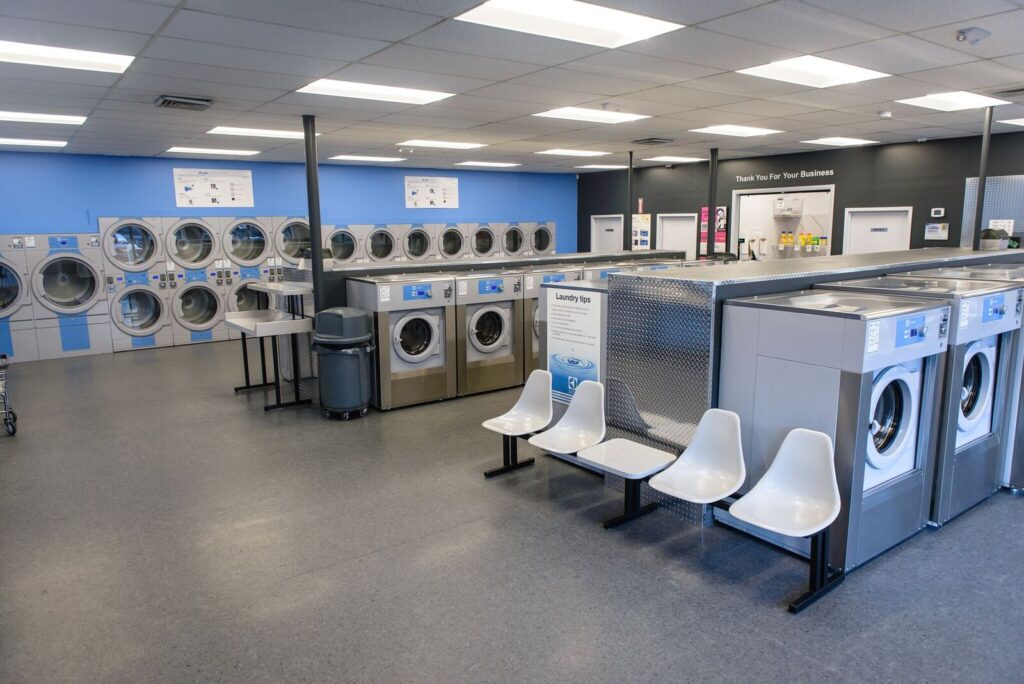
If you own a laundromat, then you know that there are numerous factors to consider, going beyond commercial laundry parts from Laundry Replacement Parts! Not only do you need to think of the equipment, staffing, and profit you’ll make, among others, but the physical store as well.

After all, it is your store that can make or break customer satisfaction. If you entered a dirty or rundown establishment, would you choose to do business or even head inside? Definitely not.

That’s why it’s important to think about how to improve your physical store to rake in customers and revenue, too. Here are a few tips you can follow.

  1. Consider adding television and WiFi

Customers will be waiting for an hour or so for their laundry to finish, which is why you’ll want to add seating and a television to keep them comfortable and entertained. It’s a good way to pass the time as they wait for their laundry, especially when you provide a streaming service or cable for customers to channel surf.

Moreover, you may also want to consider adding WiFi to your facility. With up to 70% of Americans having smartphones, they are likely to be surfing the net as they wait for their laundry, too. WiFi will attract customers and set the business apart from the rest. Statistics also show the success of the internet, as 96% of customers prefer businesses with free WiFi.

  1. Remember the kids!

Most laundromat customers are likely women with families, so you can expect children to accompany their parents when doing the laundry. So, don’t just think about the adults when designing your space, but the kids as well.

You may want to consider adding a special area where kids can keep occupied, like a play area with toys, games, play mats, and the like. A little area for the kiddos gives time for parents to do their laundry, increasing customer service and loyalty.

  1. Let the style exude

Doing laundry is seen as such a chore, but this doesn’t mean the laundromat has to look boring and bland. You can elevate your physical store by adding some décor and style to it.

Even something as simple as repainting the walls can play a huge role in influencing your customers’ mood and opinion of the business. Also consider adding another décor like colorful murals, bold artwork, or design the store focusing on a creative theme. This can attract many customers and have them share photos of the space online, which is a great way to spread the word about your laundromat. Win-win!

  1. Go for high-quality laundry equipment

And of course, we don’t want to forget that your physical store won’t have as much success if the equipment and dexter laundry parts aren’t of high quality. That’s why you should consider upgrading your machines or giving them good cleaning and maintenance regularly.

Wrapping It Up

Giving your laundromat a bit of a makeover? Remember the tips above!

Corporate compliance is crucial to any business, so it must have you wonder how much needs to be spent for an effective training program. Determining the budget for compliance training from platforms like True Office Learning is a crucial first step, and something you must do with the appropriate factors to consider. Such factors must fit your organization, the industry you’re in, and the risk employees may face.

Whether you need to conduct cybersecurity learning using True Office Learning or anti-harassment in-office, read on. We’ll share what you need to know about budgeting for the compliance department.

How to Build a Budget

All businesses will depend on budgets, with investments having the ability to make or break a strategy. While that idea would apply to all types of training, compliance training is especially crucial to an organization’s liability. In some cases, it’s absolutely essential so businesses will avoid consequences like large government penalties or lawsuits.

In some industries, there is a much stricter regulation compared to others. In fact, many industries see that compliance training is an absolute must. Some industries may have a bit of wiggle room, but the transparency demanded by modern consumer values indicates that it’s becoming even more crucial to maintain compliance in organizations.

This brings us to the budget. How much can you invest in compliance training? More importantly, how much can an organization afford not to invest in compliance?

Understandably, money doesn’t come from trees. While it isn’t the best investment to reallocate a significant percentage of the budget to compliance, understanding the factors to consider can help one define the appropriate budget balancing the organization’s needs.

Here are some of the main factors to consider, and what should go into the budget:

  • Company revenue
  • Business Complexity
  • Number of employees
  • Time requires
  • Inherent risk exposure
  • Training cost
  • Tools and resources

Corporate compliance training will take all those factors into account, though there are still other areas to focus on to optimize the budgeting strategy, such as:

Target the Need

What specific change in behavior or attitudes must happen for employees to meet the compliance standards? This might be a very obvious question, but still an important one.

The budget for compliance training must be informed by the needs you must address. If substantial changes must be made, then your budget must reflect that.

Understand the Risk

Risk exposure is another crucial factor to consider. Compliance training is focused on mitigating risk, so there is more to look into here when it comes to the budget.

Organizations have their own unique risks to take into account as they develop corporate compliance training. Within the company, employees might be exposed to different risks in varying amounts.

Compliance training needs to be developed with such risks in mind and to explain the reasons behind company policies, which are just some of the many variables!

Wrapping It Up

Keep all this information in mind as you create a budget for a successful compliance training program.

If you’re a trader who is interested in ETFs, it’s essential to understand the basics of how they work.

What are ETFs?

ETFs stand for Exchange-Traded Funds, and they are a basket of stocks that share a characteristic, such as sector, theme, or region. They have become increasingly popular to trade on the stock market. Here are a few things to remember for traders to remember when investing in ETFs.

First, choosing an ETF that tracks a stock market or sector is crucial. Second, it is essential to remember that ETFs are subject to the same market forces as individual stocks. This means that they can be volatile and should be traded with caution. Finally, it is crucial to use stop-loss orders when trading ETFs. This order will help to limit losses if the market moves against the position.

Why trade ETFs?

One key advantage of ETFs is that they offer investors a simple way to gain exposure to a wide range of asset classes. For example, an ETF that tracks the S&P 500 index provides investors with a convenient way to invest in the 500 largest companies in the United States. ETFs are also very flexible and can be traded like stocks on major exchanges.

How are ETFs created and redeemed by investors?

Institutional investors create and redeem ETFs, such as banks and hedge funds. Investors who want to create an ETF will deposit a basket of securities with a designated exchange member. The basket of securities is then used to create a corresponding number of ETF shares. An investor sells shares on the open market to redeem an ETF and receives a basket of securities in return. The creation and redemption process helps keep the price of ETFs in line with the value of their underlying assets.

You can go to https://www.home.saxo/en-sg/products/etf to find more information on ETFs.

What are the benefits of ETF creation and redemption?

The benefits of Exchange-Traded Funds (ETFs) are numerous and impact investors and issuers. For investors, ETFs offer increased liquidity, transparency, and tax efficiency. They are also lower in costs than traditional mutual funds. For issuers, ETFs provide a new source of revenue and the ability to tap into global demand for specific stocks or sectors.

Additionally, the issuance process is less costly and time-consuming than traditional mutual funds. The benefits of ETFs make them an attractive investment option for individuals and institutions.

Are there any risks associated with ETF creation and redemption?

Regarding Exchange Traded Funds (ETFs), certain risks are associated with the creation and redemption processes. These risks can be divided into two categories: counterparty and liquidity risk.

Counterparty risk is the risk that the other party involved in a transaction will not fulfil their obligations. In the case of ETFs, this would be the risk that the institution creating or redeeming the ETF does not have the necessary funds.

On the other hand, liquidity risk is the risk that you cannot sell an investment quickly enough to avoid a loss. This can happen when insufficient demand for an ETF makes it difficult to sell without taking a loss.

While these risks are essential to keep in mind, it should be noted that they are not specific to ETFs. Instead, they are general risks that apply to all investments, including those in the crypto, bond, and forex markets.

How can investors protect themselves against risks?

When investing in exchange-traded funds (ETFs), it is vital to be aware of the potential risks associated with their creation and redemption procedures.

ETFs are created when authorised participants (APs) purchase a basket of underlying securities from the ETF issuer in exchange for cash or another type of security. The AP then sells shares of the ETF on the open market.

Similarly, when an investor wants to redeem their ETF shares, they must sell them back to an AP. The AP will then return the underlying securities to the ETF issuer in exchange for cash or another type of security. Because APs are typically large institutional investors, they have significant bargaining power when negotiating terms with ETF issuers. As a result, investors may not receive the total value of the underlying securities when they redeem their ETF shares.

On top of that, the creation and redemption process can also lead to tracking errors, meaning that the ETF may not fully replicate the performance of the underlying securities. Traders need to be aware of these issues and remain vigilant when investing in ETFs.

To summarise

ETF creation and redemption is a process that helps to stabilise the market and keep prices in check. By understanding how this process works, investors can better predict how the markets will move and make more informed investment decisions.

The Top 10 Features Your Restaurant POS System Must Have

When it comes to running a successful restaurant, there are many moving parts that need to come together seamlessly. From the front of house to the back of house, every aspect of the operation needs to be running smoothly in order to provide a positive experience for guests.

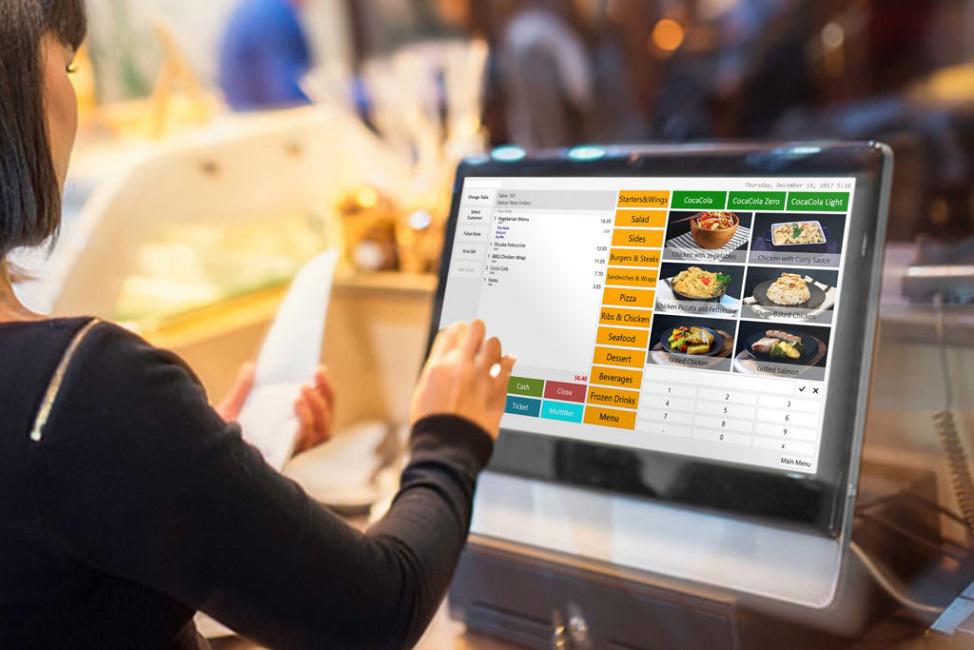
One area that is often overlooked when it comes to streamlining restaurant operations is the point-of-sale (POS) system. A POS system is a critical part of any restaurant, as it is responsible for processing payments and keeping track of sales data.

While many restaurateurs focus on the aesthetics of their establishments or the quality of their food, investing in a high-quality restaurant pos system can save you time and money in the long run.

Here are some features to look for in a POS system that will help your restaurant run more efficiently:

Cloud-Based Capabilities

One of the biggest advantages of cloud-based restaurant pos system is that they can be accessed from anywhere. This means you can check on your restaurant’s sales, inventory, and staff performance even when you’re not on-site.

What’s more, cloud-based POS systems automatically back up your data, so you don’t have to worry about losing important information if something happens to your in-store system.

Mobile Pos Capabilities

Another big time-saver is a POS system that offers mobile capabilities. With a mobile POS system, you can take orders and payments right at the customer’s table using a tablet or smartphone. This can help reduce lines and speed up service.

Plus, mobile POS systems make it easy to add on-the-go ordering options for customers who are short on time. For example, you could allow customers to place their order online or via text message and then pick it up at a designated time.

Integrated Loyalty Programs

Loyalty programs can be a great way to encourage repeat business. And, when your POS system integrates with a loyalty program, it can save you a lot of time and hassle.

For example, an integrated loyalty program will automatically keep track of points and rewards for your customers. This means you don’t have to worry about manually tracking or managing the program.

Plus, some loyalty programs can also be used to send automatic discounts and promotions to your best customers. This can help you boost sales and keep your loyal customers happy.

Comprehensive Reporting

Another time-saving feature to look for in a POS system is comprehensive reporting. A good POS system will track data on everything from sales and inventory to customer behavior and staff performance.

This information can be incredibly valuable in helping you make informed decisions about your business. For example, you might use sales data to adjust your inventory levels or staff performance data to identify training needs.

Flexible Pricing Options

When it comes to POS systems, one size does not fit all. That’s why it’s important to look for a system that offers flexible pricing options.

Some POS systems charge a flat monthly fee, while others charge a percentage of sales. And, some systems offer different features at different price points.

It’s important to find a POS system that fits your budget and your restaurant’s needs. Otherwise, you could end up paying for features you don’t need or end up with a system that doesn’t have all the features you want.

Takeaway

Choosing the right POS system for your restaurant can be a big time-saver. With the right system in place, you can streamline ordering and payments, manage your inventory, track sales and customer behavior, and even boost your marketing efforts.

Thus, if you’re in the market for a new POS system, be sure to keep these time-saving features in mind.

Let us crush a common misconception: company retreats are not extravagant perks that only big and established businesses can afford. Ideally, businesses regardless of size should (and can) host company retreats for their employees. The bond your team builds during company retreats is invaluable in building a successful company.

While not every company can afford to take their team on a lavish tropical island getaway, it is reassuring to know that there is no shortage of ways to host a company retreat without spending a fortune. Below are some of the best company retreat ideas you can look into that won’t cost you an arm and a leg.

Cost-Effect Company Retreat Ideas

If you are looking for affordable company retreat ideas, the following should make your list:

Talent Sourcing

One of the best ways to keep things within budget is to source activities and hobbies your employees are interested in outside of work. For example, do you have a meditation specialist or yogi among your staff? Is there an avid knitter in the team? Lean into their internal interest and enable them to lead a training or lesson on their interest.

This strategy will not only give your employees something to do outside of the office, it can also clearly show that you prioritize the skills and hobbies of your employees that are not connected to their jobs. You just might be surprised with how much your staff and employees can learn from one another.

Conference

If there is a huge conference that the majority of your company will attend, it would be a great idea to tack your company retreat onto that so you can save on travel costs.

Camping

With the right weather conditions and equipment, camping can be a wonderful opportunity for teams to learn to interact and engage in various ways. Building campfires, hiking, and maybe even swimming will give members of the team a change to bond and intermingle. Pitching tents outdoors is not only fun but also budget friendly.

Farm

One of the unique and affordable ways you can get your team to connect and bond is to take them to a no-frills environment. Come to think of it, when you eliminate role descriptions and titles, everyone will have fun and get to know others completely free of pecking orders and hierarchy.

Local

Your employees can still have a great company retreat without leaving your city. In line with this, consider hosting your retreat at a local hotel with great restaurants and a pool. It would feel like heading out of town without really spending much.

When considering a successful company retreat, planning is key. For starters, it is ideal to have the right mix of activities, business, and free time. While talking shop is a priority, it is important to remember that the primary goal of a company retreat is to connect and relax in real time.

More importantly, when managing remote teams, a company retreat can give everyone in the team a chance to build real life connections and engagement with other members they have not bonded with. When it comes to remote teams, it is important that every member of the team can feel part of the group and integrated.


Building a website for your company is an exciting challenge. This is your chance to show off the best parts of your business to anyone who may want to buy from you. But, there are so many details that play into great web design, it’s easy to get bogged down in the complexity. In actuality, simplicity and cohesion go a long way when creating your website, and help solidify your brand. While you can add all the bells and whistles you want to your company website later. DLR Media, the Dundee web design agency, has put together 5 things you should make sure you include on your site before you start to run wild. 

1. Your Company Contact Information 

It might seem obvious, but you’d be very surprised just how many businesses neglect to list their contact information on their website. Having a ‘contact’ page in your web design is all well and good, but if it just includes an email form that your user must fill out, it lacks important options. Giving your customer the freedom to contact you through multiple channels can help you convert leads who have enquiries before they make a purchase. On your contact page you should also include a business email, phone number, address (if you have a physical site), and your hours of operation. You could even include directions to your company, if you’re a little harder to find. 

2. A Strong CTA on Every Page 

As you probably know, a CTA, or call to action, is one of the most important parts of marketing. Whether it’s asking people to make a purchase, or sign up to your mailing list, a call to action is the best way to gain and convert leads. CTAs aren’t just reserved for your marketing materials, however. Your company’s site is one of the most valuable digital marketing opportunities you have, so you need to maximise the possibilities for sales. To do this, some form of call to action on every page is essential. You can mix these up to fit into the pages you’re presenting. For example, a CTA on your home page will be short, snappy, and strong, while a CTA on your about page may be a little more relaxed, offering support to users who are thinking of joining your community. 

3. A Dedicated Blog 

The power of a blog when it comes to getting your company’s website out there, should not be underestimated. When it comes to web design, blogs are one of the easiest pages on your site to set up and maintain, and they certainly deliver bang for their buck. A blog helps you add more indexed pages, SEO keywords, and CTAs to your site, plus the opportunity for shares on social media, and backlinks to your site. All of these things will help to push your company’s site up in the search engine rankings, and get you more visitors, and potential customers.

4. Consider a Cache Plug-in 

In simple terms, a cache plug-in will allow your site to load quicker, by utilizing the cache on your users’ computers, or mobile devices. But why is this such an important thing to include on your company site? Because users are often quite impatient, and will have no qualms about leaving your site if it doesn’t load quickly enough. A cache plug-in will help create a smooth experience for your users, and potential customers, directing them to the most important pages on your site with ease. These plug-ins are very simple to install once you have purchased access, and can be done through your website host. 

5. Testimonials or Frequently Asked Questions

The more support you can offer your customers in your web design, the better. Not only does adding testimonials and FAQs to your website create trust in your brand, it gives you the chance to further persuade leads to become customers. When users can find out how to make the most of your site, and products or services, they will be far less likely to need to contact you, and far more prepared to make a purchase. Testimonials are some of the most effective, yet easiest ways to incorporate digital marketing into your web design. 

Ways A Restaurant POS Software Benefits Your Business

Any business in the service industry needs a good point-of-sale (POS) system to run smoothly. However, restaurants have an especially complex set of needs when it comes to managing their POS.

From tracking inventory and sales to keeping up with customer preferences, a restaurant pos system does it all. But did you know that a POS system can also provide significant benefits to your restaurant business?

In this article, we’ll take a look at seven ways a POS system can help you run your business more effectively and efficiently.

Improve efficiency and accuracy.

When customers are waiting to be seated or their food is taking too long to arrive, they’re likely to get frustrated and may never come back. A restaurant pos system can help you avoid these issues by improving the efficiency of your operations.

For example, a POS system can help you take orders more quickly and accurately. With all of your menu items and pricing information stored in one place, you can avoid mistakes that could slow down service.

POS systems can also help you keep track of your inventory, so you can avoid running out of popular items. If you do need to reorder supplies, a POS system can make it easy to place and track your orders.

Boost sales and customer loyalty.

A POS system can help you boost sales in a number of ways. For example, by tracking customer purchase history, you can upsell them on items they’re likely to be interested in.

You can also use a restaurant pos system to encourage customers to sign up for your loyalty program. By offering rewards like discounts and freebies, you can encourage customers to keep coming back.

Save time and money.

A POS system can help you save time and money in a number of ways. For example, by automating tasks like inventory management and customer billing, you can free up your staff to focus on more important tasks.

POS systems can also help you cut down on paper waste. Most POS systems allow you to send receipts electronically, so you don’t have to worry about stocking paper and ink.

Insights and analytics.

A POS system can help you collect valuable data about your business that you can use to make informed decisions. For example, by tracking sales data, you can see which menu items are selling well and which ones need to be improved.

You can also use a POS system to track employee performance. By monitoring things like average order size and transaction time, you can identify areas where your staff can improve.

Streamline operations.

A POS system can help you streamline your restaurant’s operations by integrating with other systems. For example, many POS systems can interface with accounting software, so you can automatically generate financial reports.

You can also use a POS system to manage your supplier relationships. By integrating with your supplier’s inventory management system, you can streamline the ordering process and avoid stockouts.

Increase security.

A POS system can help you increase the security of your restaurant by protecting against fraud and theft. For example, many POS systems include features like fraud detection and employee login requirements that can help deter criminals.

You can also use a POS system to monitor your inventory levels and track suspicious activity. By keeping an eye on your supplies, you can quickly identify any items that have been stolen or gone missing.

Go paperless.

A POS system can help you go paperless in a number of ways. For example, many POS systems allow you to send receipts electronically, so you don’t have to worry about stocking paper and ink.

You can also use a POS system to track your inventory levels and place orders electronically. By going paperless, you can save time and money while helping to protect the environment.

Takeaway

There’s no denying that a well-run restaurant is a complex operation. From managing inventory and suppliers to keeping track of employee hours and ensuring customers are satisfied, there are a lot of moving parts to keep track of. That’s where a point-of-sale (POS) system can be a valuable asset for your business.

A POS system can offer many benefits to your restaurant business. If you’re looking to improve the efficiency of your operations and the satisfaction of your customers, a POS system is a great investment.