Category

Featured

Category

HIPAA

In the ever-evolving world of healthcare, staying up-to-date and compliant with regulations is crucial. One such regulation is HIPAA – the Health Insurance Portability and Accountability Act. This federal law was enacted in 1996 to protect individuals’ personal health information from being disclosed without their consent or knowledge.

HIPAA compliance can be a daunting task for healthcare organizations, especially with the constant updates and changes in regulations. However, there are common mistakes that can be easily avoided by utilizing HIPAA risk assessment software and other technological solutions. In this article, we will discuss five of the most common HIPAA compliance mistakes and how software can help you avoid them.

1.    Failure to Conduct Regular Risk Assessments

One of the most crucial steps in maintaining HIPAA compliance is conducting regular risk assessments. This involves understanding in detail what are HIPAA security risk assessments, identifying potential risks to protected health information (PHI), and implementing strategies to mitigate those risks. However, many organizations fail to conduct these assessments regularly or do not have a structured approach in place.

With HIPAA compliance software, healthcare organizations can easily conduct risk assessments at regular intervals and document the results. These software solutions provide templates for conducting risk assessments and allow you to track and monitor risks over time, ensuring compliance with HIPAA regulations.

2.    Lack of Employee Training

HIPAA compliance is not just the responsibility of the IT department; it involves every employee in a healthcare organization. However, a lack of proper training and awareness can lead to unintentional violations of HIPAA regulations. Employees must understand their role in maintaining HIPAA compliance and how to handle PHI appropriately.

HIPAA compliance software can assist in employee training by providing resources and modules on HIPAA regulations, best practices, and potential violations. These solutions also allow you to track employee training completion and provide regular reminders for employees to stay updated on HIPAA requirements.

3.    Inadequate Data Security Measures

Protecting PHI is a top priority for healthcare organizations, and any breach of this information can lead to severe consequences. However, many organizations still rely on outdated security measures or fail to implement the necessary safeguards for data protection.

HIPAA compliance software can help address these issues by providing encryption and access control features for PHI. The very role of HIPAA compliance software in safeguarding patient privacy is to help organizations establish secure processes for data storage, transmission, and access. These solutions also provide regular security updates and alerts on potential vulnerabilities, allowing organizations to take immediate action.

4.    Failure to Implement Policies and Procedures

HIPAA regulations require healthcare organizations to have written policies and procedures in place to protect PHI. Many organizations either lack these policies or fail to update them regularly, leading to compliance issues.

With HIPAA compliance software, healthcare organizations can easily create and update policies and procedures specific to their business needs. These solutions also provide templates for common policies such as breach notification protocols, password management, and device usage guidelines.

5.    Non-compliance with Business Associate Agreements

Business associate agreements (BAAs) are essential for ensuring that business partners and vendors comply with HIPAA regulations. However, many healthcare organizations fail to have these agreements in place or do not regularly review them for compliance.

HIPAA compliance software can help manage BAAs by providing a centralized platform for tracking and monitoring agreements with business associates. These solutions also provide reminders for reviewing and updating BAAs, ensuring that all parties are compliant with HIPAA regulations.

Conclusion

Maintaining HIPAA compliance requires a proactive and structured approach, which can be challenging without the right tools. By utilizing HIPAA compliance software, healthcare organizations can avoid these common mistakes and ensure that they are continuously compliant with regulations. With the assistance of technology, organizations can remain focused on providing quality care while also protecting patient privacy.

Importance

Trade shows are a great way for businesses to showcase their products and services to potential customers and clients. It is an opportunity for companies to network, generate leads, and increase brand awareness. However, with so many companies competing for attention at trade shows, it is crucial to have proper custom trade show displays that will make your booth stand out from the rest. In this article, we will discuss the importance of having a proper trade show display and how it can benefit your business.

Creating a Good First Impression

The first impression is everything, and this holds especially true in trade shows. With hundreds of booths competing for attention, attendees usually only have a few seconds to decide which ones they want to visit. Your trade show display is the first thing they see, so it needs to grab their attention and make them want to learn more about your company. A well-designed, eye-catching display will make a lasting impression on potential customers. It will also help if you have the ultimate trade show planning checklist to ensure that everything is in order before the event.

Attracting Potential Customers

A proper trade show display can attract potential customers and draw them towards your booth. It should effectively communicate your brand, products, and services in a visually appealing way. Your display should also have clear messaging and attention-grabbing graphics to pique the interest of attendees. This will help you generate leads and have meaningful interactions with potential customers.

Highlighting Your Unique Selling Points

Your trade show display is an excellent opportunity to showcase your unique selling points (USPs). It should highlight what sets your company apart from others in the industry. Whether it’s a new product, innovative technology, or exceptional customer service, your display should effectively convey these USPs to potential customers and make them remember your brand.

Creating Brand Awareness

Trade shows are an excellent platform to increase brand awareness. Having a proper display that effectively showcases your brand’s logo, colors, and messaging will help attendees remember your company long after the event is over. This can lead to increased brand recognition and ultimately convert into sales or partnerships in the future.

Making a Professional Impression

A well-designed trade show display can also make a professional impression on potential customers and clients. It shows that your company takes pride in its appearance and is serious about its business. A professional display can help build trust and credibility with potential customers, making them more likely to do business with you.

Conclusion

Having a proper trade show display is crucial for the success of your business at trade shows. It can help create a good first impression, attract potential customers, highlight your unique selling points, increase brand awareness, and make a professional impression. If you want to stand out from the competition and make a lasting impact at trade shows, investing in a proper display is essential. So, make sure to carefully plan and design your next trade show display to reap the benefits for your business. Happy exhibiting!

Introduction

In the ever-evolving world of packaging design, the integration of magnets has opened a new realm of possibilities. Rochester Magnet, a leader in the magnetic technology field, stands at the forefront of this innovation, providing an array of magnetic solutions that are transforming packaging design.

The Revolution of Magnets in Packaging

Magnets have revolutionized packaging by offering unique closures, enhanced functionality, and a boost in aesthetic appeal. They offer a seamless, durable, and user-friendly alternative to traditional closure methods.

Rochester Magnet: A Pioneer in Magnetic Solutions

Rochester Magnet has been instrumental in pioneering the use of magnets in packaging. With their vast range of magnetic products, they have become a go-to supplier for businesses looking to add a touch of innovation to their packaging.

  • Customization and Variety

Rochester Magnet’s strength lies in its ability to offer customized magnetic solutions. Whether it’s thin, flexible magnets for lightweight packages or strong neodymium magnets for more robust applications, they cater to a wide array of needs.

  • Quality and Reliability

Their commitment to quality ensures that each magnet is not just a part of the packaging, but an enhancement to the product’s overall value and user experience.

Innovative Applications in Various Industries

  • Cosmetics and Luxury Goods

In the cosmetics and luxury goods sector, Rochester Magnet’s products have been instrumental in creating packaging that’s both functional and glamorous. Magnetic closures on cosmetic cases and perfume boxes add a level of sophistication and convenience.

  • Electronics and Gadgets

For electronics packaging, magnets provide secure closures and protection against accidental openings, ensuring product safety during transit.

  • Food and Beverage Industry

Rochester Magnet’s solutions in food packaging demonstrate both utility and creativity, with magnets being used in everything from spice jars to premium tea boxes.

  • Environmental Commitment

In line with growing environmental concerns, Rochester Magnet is dedicated to providing eco-friendly magnetic solutions. They focus on sustainable practices, ensuring that their products are not just effective but also environmentally responsible.

The Future of Packaging with Magnets

Rochester Magnet continues to innovate, exploring new possibilities in magnetic packaging. With advancements in magnetic technology, the potential applications in packaging are boundless.

Conclusion

The fusion of magnets in packaging design is more than a trend; it’s a leap into the future of packaging. Rochester Magnet, with its extensive range of products, customization capabilities, and commitment to quality and sustainability, is leading this charge. Their magnetic solutions are not just enhancing packaging design but are also setting new standards in the industry.

The type of content that solo ad subscribers typically consume can vary widely based on their individual interests, needs, and the specific niche of the soloads list. However, some common types of content that subscribers often engage with include:

  1. Educational Content:
    • Subscribers often consume content that educates and informs. This could include how-to guides, tutorials, tips, and informational articles related to their interests or challenges.
  2. Product Reviews:
    • Many subscribers read or watch product reviews to make informed purchasing decisions. Product reviews can help them evaluate the pros and cons of a product or service before buying.
  3. Entertainment and Lifestyle Content:
    • Subscribers interested in leisure and lifestyle topics often enjoy content related to entertainment, travel, fashion, and leisure activities. This may include articles, videos, or blog posts on these topics.
  4. News and Current Events:
    • Some subscribers prefer to stay informed about current events, news, and developments in their area of interest or industry. News articles, updates, and industry reports are relevant to this audience.
  5. Inspirational and Motivational Content:
    • Content that provides inspiration, motivation, and personal development advice is popular among subscribers who seek personal or professional growth.
  6. Listicles and Top 10 Articles:
    • Listicles and articles that provide a curated list of top products, tips, or resources can be engaging for subscribers. They appreciate quick and easily digestible information.
  7. Visual Content:
    • Visual content, such as infographics, images, and videos, is highly consumable and shareable. Many subscribers prefer content that is visually appealing and easy to absorb.
  8. Case Studies and Success Stories:
    • Subscribers may be interested in real-life case studies and success stories related to their interests or challenges. These stories often provide valuable insights and actionable takeaways.
  9. Expert Interviews and Podcasts:
    • Interviews with experts in a specific field or industry can be compelling content for subscribers who want to learn from thought leaders and gain expert insights.
  10. How-to Videos and Tutorials:
    • Subscribers often consume video content that demonstrates how to complete tasks, use products, or achieve specific goals.
  11. Question-and-Answer (Q&A) Sessions:
    • Live or recorded Q&A sessions with experts or industry leaders can be appealing, as they allow subscribers to get answers to their specific questions.
  12. Interactive Content:
    • Interactive content such as quizzes, surveys, polls, and interactive calculators can engage subscribers and encourage participation.

The specific content preferences can be highly dependent on the niche of the list, so it’s important to understand the interests and preferences of the subscribers on a given solo ad list. To better tailor your email marketing campaigns, you can segment your list based on subscriber preferences and use data analytics to track engagement with different types of content. By doing so, you can provide subscribers with the content they find most valuable and relevant.

What Topics/Subjects Generate the Most Engagement Within a Solo Ad Subscriber List? How Can You Find Out?

The topics and subjects that generate the most engagement within a solo ads subscriber list can vary significantly based on the specific niche, audience demographics, and the subscribers’ interests. To determine which topics or subjects are most engaging for your subscribers, you can employ several strategies:

  1. Survey Subscribers: Send out surveys or questionnaires to your list to directly ask them about their interests and preferences. Ask them what types of content they find most engaging and relevant.
  2. Analyze Past Campaigns: Review the performance data of past email campaigns. Look for patterns in which content types or topics received the most opens, clicks, and conversions. Analyze which subject lines and content led to higher engagement.
  3. Segment Your List: Segment your list based on different interests or preferences. Send different segments content related to their specific interests and track the engagement for each segment. This can help you pinpoint which topics resonate with different groups.
  4. Use A/B Testing: Implement A/B testing in your email campaigns. Send two versions of an email with different content or subject lines to a portion of your list and monitor which version generates higher engagement. This allows you to test various topics and content types.
  5. Social Media and Website Analytics: If you have a social media presence or website related to your email list, examine which topics or posts generate the most engagement on these platforms. This can provide insights into subscriber interests.
  6. Engage in Direct Communication: Interact with subscribers directly through social media, comments, or email responses. Engaging in conversations can help you learn more about their interests and challenges.
  7. Keyword and Trend Research: Use keyword research tools and stay informed about industry trends to identify what topics are currently trending and of interest to your target audience.
  8. Competitor Research: Analyze the content and topics that engage subscribers on your competitors’ email lists or websites. While you shouldn’t copy their content, you can gain insights into the interests of a similar audience.
  9. Feedback and Surveys from Previous Campaigns: Review feedback and survey responses from past campaigns to identify topics that subscribers have expressed interest in or challenges they’ve mentioned.
  10. Monitor Open and Click-Through Rates: Keep a close eye on the open and click-through rates for different types of content. Identify patterns in engagement and use this data to tailor your future campaigns.
  11. Seasonal or Trend-Based Content: Create content around seasonal events, holidays, or trending topics that are relevant to your audience. These topics often generate higher engagement due to their timely nature.
  12. Experiment and Iterate: Continuously experiment with different topics and content types. Over time, you’ll learn which topics consistently resonate with your audience, and you can refine your content strategy accordingly.

The most engaging topics and subjects can evolve over time, so it’s essential to remain flexible and adapt your content strategy based on your findings. Regularly assessing engagement and feedback is key to maintaining a dynamic and relevant email marketing strategy.

Businesses seek to reach as many customers as possible when designing a marketing plan. This method places a heavy emphasis on making everyone in the community feel welcome. While most people associate this with both the rich and the poor, people with disabilities are practically never discussed.

Disabled people, such as the blind and deaf, must be recognized. Businesses should consider digital accessibility when determining how to reach consumers with varying degrees of competence or limits. Why would you want to turn down a large number of potential employees?

There must be representation, a well-thought-out plan, and information that is simple to understand for digital accessibility through marketing. Nobody should be excluded from being more aware of their surroundings. Together with using third-party technology like QualityLogic, here are some ideas for how businesses might make their marketing efforts more apparent.

Requirements for Marketing Accessibility

It is both moral and rational to market to a varied population of potential clients. Individuals may choose to visit or work for a company that gives equitable access to its resources since it shows that the company cares about its customers and employees.

According to the law, marketing must also be easily accessible. Title III of the ADA governs the vast majority of businesses. According to the title, people should not be nasty to one another in public. This regulation applies to both official government websites and physical obstacles.

This is how most websites that give firm locations or contact information work. Target and the National Federation of the Blind decided that this was feasible in 2006. Target’s website was deemed a “gateway” to its stores by the judges since it was linked to its locations.

Accessibility Should Always Be Prioritized

It is vital to prepare properly in the early stages of a marketing campaign in order to meet the demands of potential customers. Plans aren’t always built with accessibility in mind, which might lead to issues later on. If accessibility is checked off a list hurriedly after the campaign is over, it will be overlooked or forgotten.

The term “disability” refers to a diverse set of symptoms, skills, and experiences. Marketing teams, for example, must consider how to include individuals with varying degrees of vision, cognitive, and mobility impairments in their advertising approach. Accessibility solutions should be implemented as soon as possible to ensure that no one is excluded.

It Is Simple to Obtain Advertising and Products

Transparent advertising and product descriptions are essential to make marketing more accessible. Companies may achieve this through the use of a clear typeface, a readable color scheme, and a high degree of color contrast in their text communications. The Web Content Accessibility Guidelines (WCAG) can assist businesses in ensuring the accessibility of their digital material.

The WCAG specifies the number of colors in the foreground and background. To make advertising more accessible, use simple vocabulary, an easy-to-navigate landing page, and text alternatives.

Marketing teams should pay close attention to how their commercials seem and how they explain their items. When a customer sees a website ad or reads a marketing email, the goal is for them to click to learn more. When writing about a product, use inclusive language to get people to buy it.

When you engage with QualityLogic, you can verify that you fulfill all of the WCAG rules, including color and language requirements. Once you have completed the WCAG compliance testing service that their team has developed, your firm may be certified. This test consists of both automatic and manual testing, as well as website cleanup.

What Do Advertisements Offer?

While launching a marketing effort, a company should make all prospective customers feel involved. A marketing team should consider who will get the designs and what they will value before releasing them.

Everyone must be represented, even those with impairments. People with disabilities may feel more welcome and cared for if you include them in your marketing. This might bring in more clients while balancing any expenditures.

You may lose potential customers if you do not have any salespeople. An Australian activist started a petition in early 2022 to make dating apps more user-friendly. The petition requests that advertisements for disabled people be shown on dating applications such as Tinder and Bumble.

Whenever feasible, test your adverts with persons on your team who are visually impaired. They may provide suggestions on how to make things more accessible before you make them available to the entire audience.

Everyone Can Benefit From These Promises

Announcing openness in public is the most straightforward way for a company to develop a marketing plan that works for everyone. A company’s brand is often built around a number of products that may be used in a variety of ways.

Lego is one example of such a company. In 2020, Lego will offer a line of Braille Bricks. “LEGO Braille Bricks provides a fun and engaging alternative for blind or low-vision children to learn the braille system and improve tactile abilities,” according to the website for the press release.

This desire to assist people of all abilities helps both the organization and potential customers. By making its product more accessible to people with disabilities, the company has gained more customers and a better reputation, both of which are beneficial to business.

Those who intend to purchase Legos are also winners. Young people who are blind or have impaired eyesight may now play a game that they previously could not. Children of all abilities may feel thought of and included as a consequence of this product and the company’s commitment to inclusiveness.

QualityLogic Marketing With an Emphasis on Accessibility

You’re in the minority if you’ve never met someone with a disability. Disability today affects almost everyone, either directly or indirectly. This group of people has a wide range of expectations, and finding solutions that meet all of them may be difficult. But some groups have made engaging this population easier than ever!

When you begin marketing to a target market that includes people with disabilities, you expand your market potential and demonstrate to other marketers how easy it is to incorporate accessibility into their own marketing plan. Many individuals are curious about the vocabulary, customs, and strategies for assisting persons with impairments in navigating the digital world. But, we now have technology that is only waiting to be embraced in order to provide other possibilities for the visually impaired.

Take the plunge today and learn how to make your business digitally accessible in order to attract a group of people that are ready to be discovered. Read more about QualityLogic’s one-of-a-kind solution and starter kit by visiting their website.

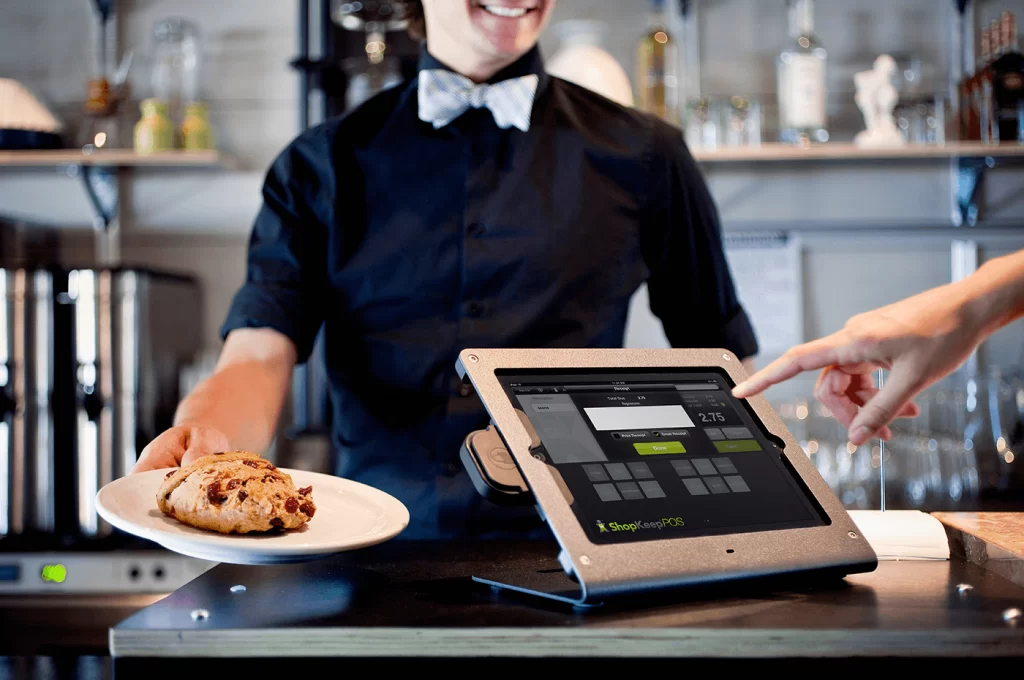
The restaurant industry is highly competitive, and staying ahead of the competition requires having access to the best tools available. One such tool is an Advanced F&B Point-of-Sale (POS) system.

This type of POS system is specifically designed to help restaurants manage their operations and increase efficiency. Let’s take a look at how this system can help your restaurant thrive.

What is an Advanced F&B POS System?

An advanced F&B POS system is a cloud-based software solution that helps restaurants streamline their operations by automating many of the processes associated with running a restaurant, such as ordering and payment processing.

This type of system is designed to make it easier for restaurants to manage customer orders and payments, track inventory, analyze sales data, and generate reports in real-time.

How Can It Help Your Restaurant?

Using an advanced f&b pos system  can help your restaurant save time and money by automating many manual tasks. For instance, it can reduce the amount of time spent counting inventory or manually entering orders into the system by automatically tracking inventories and orders in real-time.

Additionally, it provides access to detailed analytics so that you can track sales trends over time and make informed decisions about how best to allocate resources.

Finally, an advanced F&B POS system also makes it easier for customers to pay for their meals since they don’t have to wait in line at the cash register. Instead, they can simply swipe their card at the table or pay via mobile device.

The Benefits of an Advanced F&B POS System

An Advanced F&B POS system comes with a variety of benefits that can help your restaurant succeed. Here are just a few examples:

  • Automated ordering. An advanced F&B POS system automates ordering processes by allowing customers to place orders from their smartphones or tablets directly from the restaurant’s website. This eliminates wait times for customers and saves time for staff members who don’t have to manually input orders into the system.
  • Improved customer service. With an advanced F&B POS system, you can keep better track of customer information so you can provide tailored services based on customers’ past experiences in your restaurant. You can also use analytics features to identify potential problems before they arise and take proactive steps to prevent them from becoming bigger issues down the line.
  • Increased sales. An advanced F&B POS system helps you quickly process payments and keep accurate records of all transactions so you can easily see which products are selling well or which promotions are proving successful—and adjust accordingly in order to maximize profits.
  • Enhanced security. The added layer of protection offered by an advanced F&B POS system helps protect your business against cyberattacks by encrypting all data stored in its databases—making sure only authorized personnel have access to sensitive information like credit card numbers or customer data.
  • Inventory Management and Cost Control. With an advanced F&B POS system, restaurants have access to valuable insights into their inventory levels and cost-per-order trends that they wouldn’t be able to get with a manual system.

This data can help you identify any areas where you may need to adjust your recipes or ingredients in order to improve profitability. Additionally, an advanced POS system eliminates the possibility of human error when it comes to counting inventory and managing costs which leads to more accurate information about your food costs and overall profitability.

Conclusion

In today’s increasingly competitive restaurant market, having an advanced  f&b pos system is essential for success.

It streamlines operations, reduces costs associated with manual tasks like inventory management and order entry, provides detailed analytics on sales trends over time, and makes it easier for customers to pay—all of which leads to increased efficiency and higher profits.

If you’re looking for a way to give your restaurant a boost in terms of efficiency and profitability, investing in an advanced F&B POS system could be just what you need!

When it comes to investing in stocks, the expectations of what can be achieved often don’t match reality. A stock market is volatile, and while there are many potential rewards for investors, risks also need to be taken into account.

This article will explore the differences between the expectations of stock investing versus the realities of it and how investors can navigate these expectations for success.

Expectation: Get rich quick

One of the most common expectations among novice stock investors is that they can get rich quickly by taking advantage of market fluctuations. While this may work out in some instances – mainly if you make an extremely lucky bet or have inside knowledge about a company – it’s important to remember that many investors have gone broke by trying to make a quick buck in the markets. 

The reality is that getting rich quickly from stocks is exceedingly rare, and more often than not, you need to be patient and take the long view if you want to build wealth in the stock market.

Expectation: You don’t need research or advice

Another common expectation among those who trade stocks online is that they don’t need to research or take an expert’s advice when investing. This couldn’t be further from the truth – researching and understanding a company’s financial history and prospects are critical elements in making successful investments. 

In addition, taking advice from a trusted financial advisor can help investors make informed decisions and ensure they’re taking prudent risks.

Expectation: Low risk, high reward

Many novice investors believe that stocks offer the potential for low-risk investments with high rewards. While this type of investment may be possible in some instances, it’s important to remember that all investments come with a certain degree of risk. The more you know about the company, industry, financial history, and prospects, the better your chances of making successful investments. 

It’s also important to diversify your portfolio so that you don’t put all your eggs in one basket and mitigate some of the inherent risks associated with stock investing.

Expectation: Always buy low, sell high

The expectation that you should always buy low and sell high is a common misconception among stock investors. While this may be true in some cases, the reality is that it’s not always possible to time the markets perfectly. There are often periods of market uncertainty where buying too high or selling too low could mean missing out on potential profits—as such, staying informed about the markets and using technical indicators to inform your investment strategy is essential.

Expectation: You can beat the market

Many novice investors believe they can “beat” the stock market by making wise investments. While it is possible to outperform the markets in some instances, it’s important to remember that this requires a high level of expertise and knowledge. In most cases, attempting to beat the market leads to losses rather than gains. Furthermore, even professional traders often fail to consistently outperform the markets.

Expectation: You can time the market

Timing the markets is another common expectation among stock investors. While it may be possible to profit from timing the markets in some instances, it’s important to remember that this type of investing carries a significant degree of risk and even experienced traders are often unable to accurately predict market movement. 

As such, attempting to time the markets should only be done with caution after researching the potential risks and rewards involved. Finally, it’s important to remember that stock investing is a long-term venture and trying to time the market could lead to missed opportunities in the long run.

With that said

When it comes to stock investing, expectations often don’t match the reality of the situation. Investors must know the risks and understand that getting rich quickly from stocks is exceedingly rare. Furthermore, research and expert advice are invaluable when making investment decisions, and it’s crucial to diversify your portfolio and stay informed about the markets. 

Finally, while it may be possible to beat the market with specific strategies, in most cases attempting to do so leads to losses instead of gains. By understanding these differences between expectations and reality in stock investing, investors can make more informed decisions about their investments and have a better chance at success.


Plugins for Web Designers

WordPress is a great platform for web designers. Not only is it free and open source, but there are also tons of plugins available to help you create the features you need for your website. In this post, we will discuss three WordPress plugins that are essential for any web designer. These plugins will help you add features such as contact forms, menus, social media icons, and more to your website!

1. WPForms

WPForms is a great plugin for creating contact forms. It is easy to use and comes with a drag-and-drop form builder. You can also add custom fields to your forms and use conditional logic to show or hide fields based on user input. WPForms is a must-have for any web designer who wants to add a contact form to their website and make it easy for visitors to get in touch. In addition to this, you may also consider hiring a professional web design agency in Atlanta to get the job done for you. They will be able to create a beautiful and responsive website for you that is sure to impress your visitors.

2. Menu Manager

Menu Manager is an appreciable plugin for web designers who want to create menus for their websites. It allows you to create, edit, and delete menus from your WordPress admin panel. You can also add new menu items and change their order. Moreover, it provides an option to create a custom URL for each menu item and add a CSS class to it. This plugin is very helpful if you want to create a custom menu for your website, and by knowing the ultimate WordPress security guide, you will make your website even more secure. Plus, if you want to add a menu to your website but don’t want to use the default WordPress menu, Menu Manager is the perfect solution.

3. Social Media Icons

Social media icons are a must-have for any website. They allow visitors to quickly and easily find your social media profiles and connect with you. Social Media Icons is a great plugin that lets you add social media icons to your website. You can choose from a variety of icon sets, including Font Awesome, Ionicons, and Dashicons. You can also add custom links to each icon so that visitors can quickly find your social media profiles. This plugin is essential for any web designer who wants to add social media icons to their website.

The Bottom Line

These are just a few of the essential WordPress plugins for web designers. These plugins will help you add features to your website and make it easy for visitors to find what they’re looking for. In addition to these plugins, you may also want to consider hiring a web design agency to create an effective and impressive website for you. Thanks for reading, and we hope this post was helpful!

If you’re in a financial crunch and need to secure an emergency loan, it may seem like your only option is to get one from the same old lenders who turned you down before. In reality, there are plenty of lenders who can give the Best Emergency Loans For Bad Credit, so your past applications aren’t necessarily doomed to haunt you forever. But in case you can’t secure a no-credit-check emergency loan, here are some resources that can help you make it through your financial troubles with bad credit intact.

Lenders That Offer Emergency Loans

If you have bad credit and need an emergency loan, there are a few options available to you. First, consider asking family or friends for a loan. If that’s not possible, look into online lenders that specialize in bad credit loans. Be sure to read the terms and conditions carefully before agreeing to any loan, and only borrow what you can afford to repay. Some other options to consider include payday loans, title loans, and pawnshop loans.

Tips For Getting Approved

When you have bad credit, it can be difficult to get approved for a loan – especially an emergency loan. But there are some things you can do to improve your chances:

  1. Start by checking your credit score and fixing any errors.
  2. Then, look for lenders that specialize in loans for people with bad credit.
  3. Research the interest rates and terms of each lender to find the best deal.
  4. Be sure to ask questions about fees, processing time, and repayment plans before committing to anything.
  5. Finally, make sure the loan is backed by a government agency or nonprofit organization so you know it’s safe and affordable.

Things to Know Before Applying

If you have bad credit, you might be wondering if you can still get an emergency loan. The good news is that there are options available to you. Here are a few things to know before you apply for an emergency loan with bad credit:

Many people are unaware of the options available to them when they find themselves in need of a financial boost due to their poor credit history.

Luckily, many companies specialize in providing loans for those who have poor or no credit and they often offer much better terms than what you would find at your local bank or lender. For example, it’s not uncommon for these lenders to provide loans with repayment periods as long as five years instead of the standard one year.

A short-term payday loan may be the best option for some people because this type of lending offers both lower interest rates and shorter repayment periods than most other types of lending on the market today.

The Top 10 Features Your Restaurant POS System Must Have

When it comes to running a successful restaurant, there are many moving parts that need to come together seamlessly. From the front of house to the back of house, every aspect of the operation needs to be running smoothly in order to provide a positive experience for guests.

One area that is often overlooked when it comes to streamlining restaurant operations is the point-of-sale (POS) system. A POS system is a critical part of any restaurant, as it is responsible for processing payments and keeping track of sales data.

While many restaurateurs focus on the aesthetics of their establishments or the quality of their food, investing in a high-quality restaurant pos system can save you time and money in the long run.

Here are some features to look for in a POS system that will help your restaurant run more efficiently:

Cloud-Based Capabilities

One of the biggest advantages of cloud-based restaurant pos system is that they can be accessed from anywhere. This means you can check on your restaurant’s sales, inventory, and staff performance even when you’re not on-site.

What’s more, cloud-based POS systems automatically back up your data, so you don’t have to worry about losing important information if something happens to your in-store system.

Mobile Pos Capabilities

Another big time-saver is a POS system that offers mobile capabilities. With a mobile POS system, you can take orders and payments right at the customer’s table using a tablet or smartphone. This can help reduce lines and speed up service.

Plus, mobile POS systems make it easy to add on-the-go ordering options for customers who are short on time. For example, you could allow customers to place their order online or via text message and then pick it up at a designated time.

Integrated Loyalty Programs

Loyalty programs can be a great way to encourage repeat business. And, when your POS system integrates with a loyalty program, it can save you a lot of time and hassle.

For example, an integrated loyalty program will automatically keep track of points and rewards for your customers. This means you don’t have to worry about manually tracking or managing the program.

Plus, some loyalty programs can also be used to send automatic discounts and promotions to your best customers. This can help you boost sales and keep your loyal customers happy.

Comprehensive Reporting

Another time-saving feature to look for in a POS system is comprehensive reporting. A good POS system will track data on everything from sales and inventory to customer behavior and staff performance.

This information can be incredibly valuable in helping you make informed decisions about your business. For example, you might use sales data to adjust your inventory levels or staff performance data to identify training needs.

Flexible Pricing Options

When it comes to POS systems, one size does not fit all. That’s why it’s important to look for a system that offers flexible pricing options.

Some POS systems charge a flat monthly fee, while others charge a percentage of sales. And, some systems offer different features at different price points.

It’s important to find a POS system that fits your budget and your restaurant’s needs. Otherwise, you could end up paying for features you don’t need or end up with a system that doesn’t have all the features you want.

Takeaway

Choosing the right POS system for your restaurant can be a big time-saver. With the right system in place, you can streamline ordering and payments, manage your inventory, track sales and customer behavior, and even boost your marketing efforts.

Thus, if you’re in the market for a new POS system, be sure to keep these time-saving features in mind.